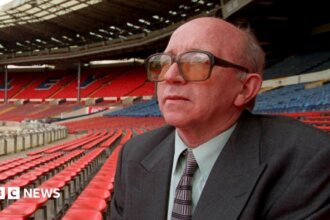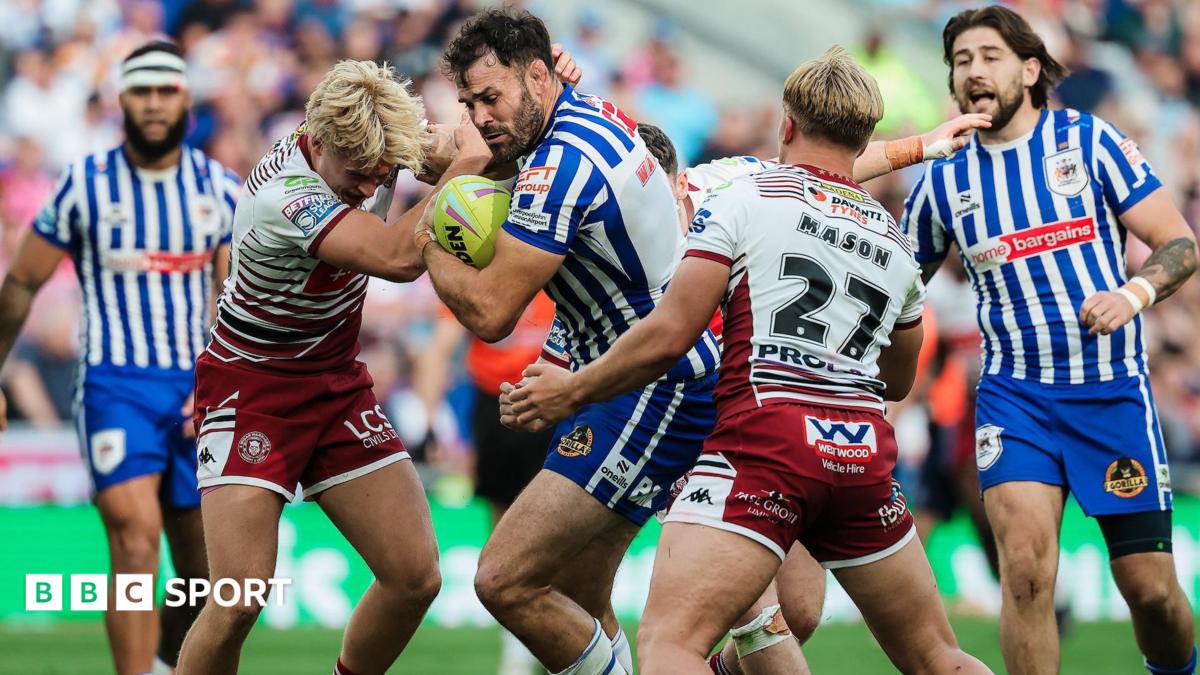
The Rugby Football League has turned to a high-profile administrator from outside the sport, appointing former Manchester United executive Ian Nolan as its new chief executive. The move is a significant leadership change for the governing body at a time when rugby league continues to balance commercial growth, governance demands and the need to strengthen its long-term profile.
Nolan’s arrival is notable not just because of his background at one of football’s biggest clubs, but because it signals the RFL’s intent to lean on broader elite-sport experience. Administrators with top-level football credentials often bring expertise in commercial strategy, stakeholder management and brand development, areas that matter as much off the field as results do on it. For rugby league, a sport that competes for attention in a crowded British sports market, that kind of experience can be valuable.
What the appointment means for the RFL
The RFL has been operating with interim leadership, with Jones stepping in on a temporary basis while also continuing his role as managing director of RL Commercial. Nolan will take over later this year, giving the organisation a transition period before the new chief executive formally begins work. That handover matters: stability at the top is often essential when a governing body is trying to align commercial priorities, competition structures and the interests of clubs and supporters.
For supporters, executive appointments can feel distant from matchday concerns, but they can have real consequences. Decisions made at boardroom level influence the financial health of clubs, the visibility of the competition and the resources available for grassroots development. In a sport where the pathway from community level to elite level is crucial, the chief executive role carries weight well beyond administration.
Why Nolan’s background stands out
Manchester United’s scale means any executive experience there is likely to involve intense scrutiny, major commercial expectations and a global audience. While the BBC report does not detail Nolan’s specific responsibilities at Old Trafford, the association alone suggests a background in a high-pressure environment where performance, revenue and reputation are constantly under review. That could prove useful as the RFL looks to sharpen its strategic direction.
The challenge for Nolan will be to translate that experience into the different realities of rugby league. The sport has its own traditions, regional identity and competitive structure, and any new chief executive must understand the balance between modernisation and preserving what supporters value most. The best appointments in sport are rarely about importing ideas wholesale; they are about adapting proven leadership skills to a new landscape.
With Nolan set to join later this year, the appointment gives the RFL a chance to plan ahead rather than react. If the transition is managed well, it could provide the organisation with a clearer commercial and operational direction at a time when strong leadership is increasingly important across British sport.
Source note: This article was prepared using publicly available information from BBC Sport and expanded with editorial context.
Share this content: