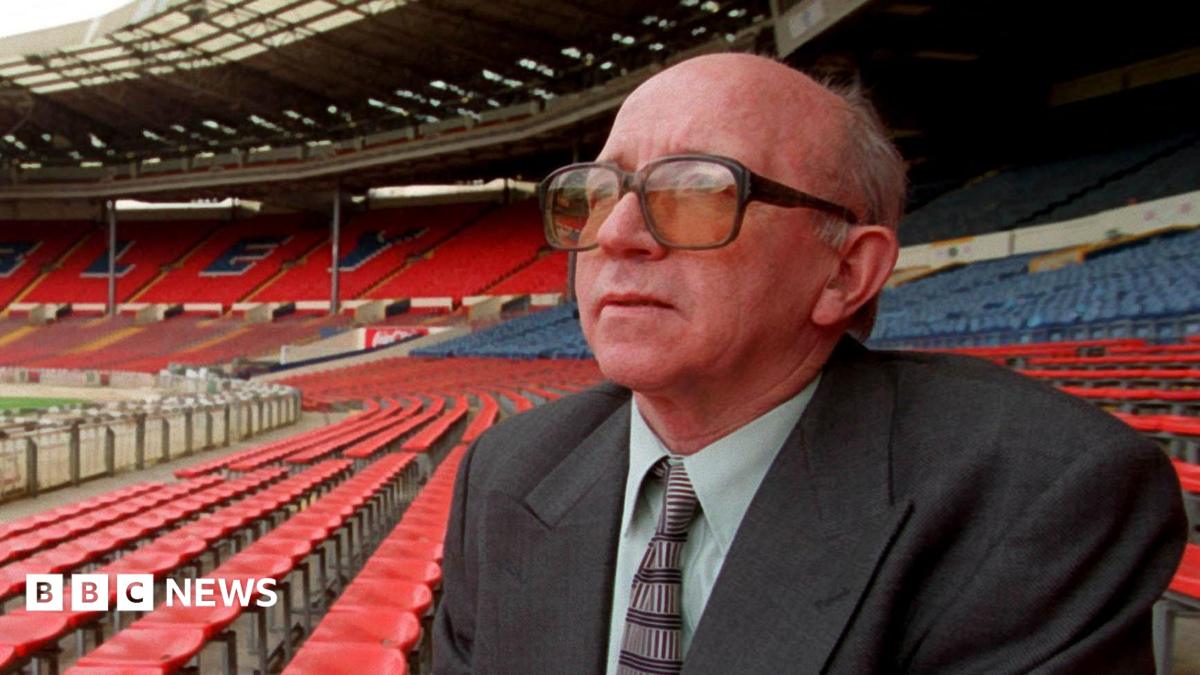
The latest development in the case surrounding Nobby Stiles’ death adds another significant chapter to the long-running debate over football and brain injury. According to the BBC report, a court heard that the England World Cup winner died with a traumatic brain injury, and a coroner has now ruled that an inquest into his death must be held.
For supporters of English football, Stiles is remembered as one of the defining figures of the 1966 World Cup triumph. His name carries weight far beyond one tournament, but this hearing shifts attention from his playing legacy to the wider questions that have followed many former players in recent years: what the game knew, when it knew it, and how the sport has responded to the risks linked to repeated head impacts.
Why this ruling matters
An inquest is not just a procedural step. It is a formal process that can examine the circumstances surrounding a death and, in cases like this, may help clarify the medical and factual record. In football terms, that matters because cases involving dementia and traumatic brain injury have become central to the sport’s modern welfare debate.
Stiles’ case is especially resonant because of his status in the English game. He was part of the team that won the World Cup, and his later-life health issues have been discussed publicly in the context of concerns about former players and neurodegenerative disease. The BBC report does not provide further detail on the findings beyond the court hearing and the coroner’s ruling, but the decision itself ensures the matter will be examined more formally.
What it means for football now
For clubs, governing bodies and supporters, these cases are no longer abstract. They sit at the intersection of history, medical science and accountability. Every new hearing or ruling keeps pressure on football to improve research, prevention and support for former players and their families.
The BBC’s related reference to a 25-year-old trying to stop footballers getting dementia underlines how the issue is still active, not historical. The sport continues to wrestle with the legacy of heading, concussion recognition and the long-term consequences of repeated head trauma. Stiles’ case will therefore be followed not only as a matter of legal process, but as part of a broader conversation about player safety that remains highly relevant to the modern game.
For readers, the key takeaway is that this is a serious and developing story with implications beyond one individual. It speaks to football’s past, present and future, and to the continuing demand for answers in one of the game’s most sensitive health debates.
Source note: This article was prepared using publicly available information from BBC Sport and expanded with editorial context.
Share this content: