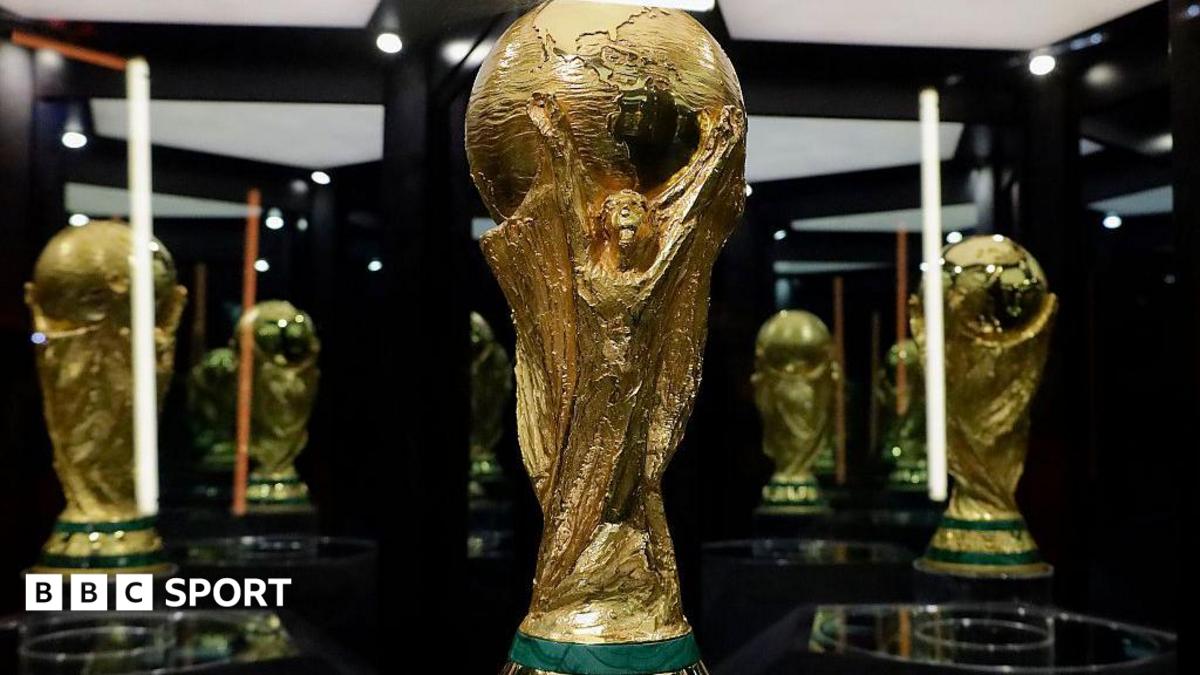
BBC Sport’s latest football item is less about a transfer twist or a tactical breakdown and more about a familiar tournament problem: how to follow the World Cup without having the result spoiled. Published on 11 June 2026, the piece taps into a routine that many supporters know well during major international tournaments, especially in the UK where kick-off times can force fans into a choice between sleep and live viewing.
The central point is simple. For many supporters, the decision is whether to stay up for the match or wait until the morning and catch up later. That sounds straightforward until the reality of tournament football kicks in. A late-night commitment can mean a tired workday, while a delayed watch carries the risk of seeing the score before the action. The BBC’s line about spending seven minutes watching highlights of a 0-0 draw captures the frustration perfectly: not every game delivers drama, and the spoiler-free route can sometimes feel like a poor return on investment.
The supporter dilemma behind every major tournament
This kind of story matters because it reflects the modern football audience as much as the football itself. Supporters no longer just consume matches in real time; they navigate alerts, social media, push notifications and highlight packages that can ruin the suspense before the first whistle is even heard. For World Cup viewers, that tension is especially sharp because the tournament is built around anticipation, national emotion and the sense that every match could define a campaign.
From a fan perspective, the issue is not trivial. Watching live preserves the emotional rhythm of a match: the tension, the momentum shifts, the late chances and the post-match reaction. Catching up later offers convenience, but it also requires discipline in an age when spoilers are everywhere. BBC’s framing acknowledges that reality without pretending there is a perfect solution.
Why this resonates with football audiences
Although the article is light in tone, it still speaks to a broader truth about football coverage. The biggest tournaments are not only about what happens on the pitch; they are also about how supporters experience the event. For broadcasters, that means balancing live access, highlights and digital updates. For fans, it means deciding whether the emotional payoff of watching in real time is worth the next-day fatigue.
There is also a tactical angle, even if the source does not discuss teams or systems directly. A 0-0 draw can be a cagey, structured contest in which both sides prioritise control over risk, and those are often the matches that test a fan’s patience most. In that sense, the BBC’s spoiler warning is more than a joke. It is a reminder that tournament football can be unpredictable not only in result, but in entertainment value.
For supporters, the takeaway is clear: the World Cup always asks for a compromise. Stay up and you get the full emotional ride. Sleep instead and you may preserve your energy, but you also accept the risk of waking up to a scoreline that has already taken the drama out of the day.
Source note: This article was prepared using publicly available information from BBC Sport and expanded with editorial context.
Share this content: