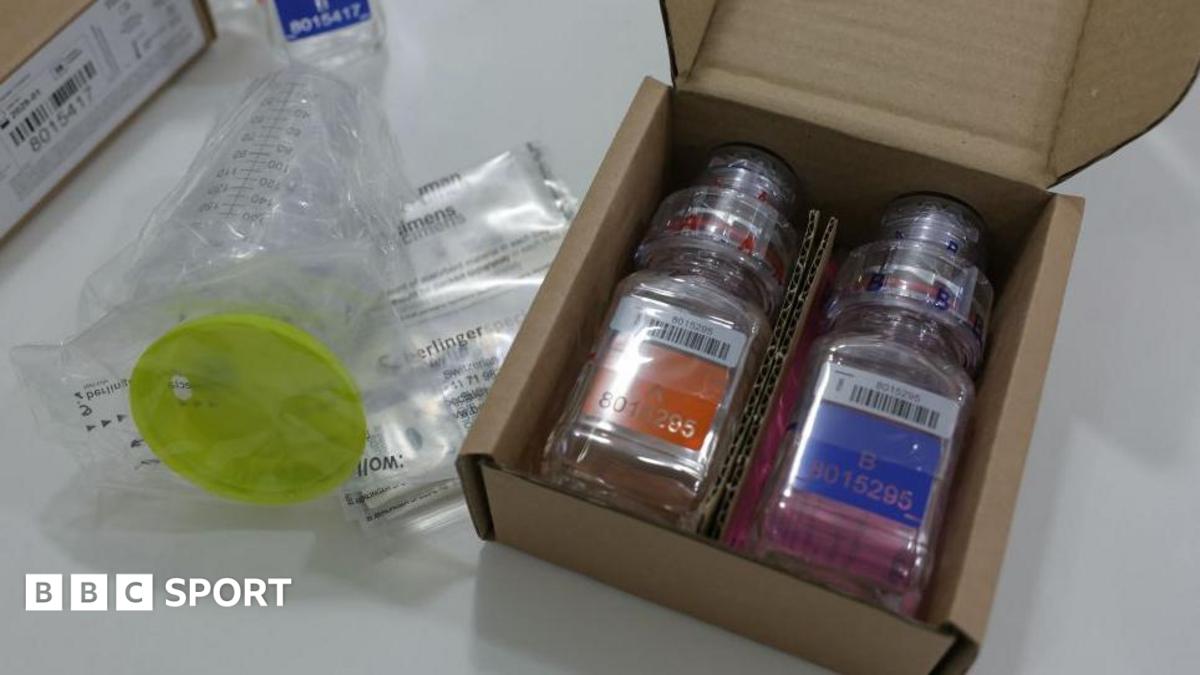
Night-time anti-doping tests at the Tour de France have pushed a familiar issue back into the spotlight: how cycling polices itself when the sport is still trying to move beyond the damage of previous scandals. The BBC report highlights that some of the biggest names in the peloton have been tested after dark, a reminder that anti-doping work is not just about catching cheats, but about preserving trust in a sport where credibility has been hard won and easily lost.
For supporters, the timing of those tests matters because it underlines how seriously the sport treats the possibility of performance enhancement. Cycling has spent years rebuilding its reputation, and every testing decision is viewed through that lens. Night-time checks can look intrusive, but they also reflect the reality that anti-doping systems are designed to be unpredictable. If testing only happened at convenient hours, it would be easier for riders to plan around it.
Why the timing matters
The source suggests that the issue is not isolated to one race or one week. Even as lower-level riders continue to be caught and average speeds in major races keep creeping up, the broader debate never fully disappears. That matters tactically and competitively because cycling is a sport where marginal gains can be decisive. When speed trends rise and suspicion lingers, every standout performance is examined more closely than in many other sports.
That scrutiny is part of the modern cycling landscape. The sport’s anti-doping system has to work in the background while the racing itself remains the focus, but the two are always linked. A strong testing regime is not only about sanctions; it is also about deterrence. The message is that riders can be tested at any time, including when they are least expecting it.
What it means for the Tour and the sport
At the Tour de France, where the pressure is highest and the audience is largest, the stakes are amplified. Any report involving drug testing inevitably raises questions about the sport’s health, even when no specific wrongdoing is alleged. For teams, riders and fans, the practical implication is clear: cycling’s governing structures want to show that the sport is being monitored closely enough to protect its integrity.
That is especially important because cycling’s history means it cannot afford complacency. The article frames the current moment as part of a longer effort to maintain a cleaner image, rather than a one-off controversy. In that sense, night-time testing is less a headline-grabbing anomaly than a sign of how seriously the sport still takes the battle for credibility.
For followers of the Tour, the takeaway is straightforward. The racing remains the main attraction, but the anti-doping backdrop is never far away. As speeds rise and the sport continues to chase trust, testing at unusual hours is one more indication that cycling’s authorities are trying to stay ahead of the old problems that once defined the conversation.
Source note: This article was prepared using publicly available information from BBC Sport and expanded with editorial context.
Share this content: