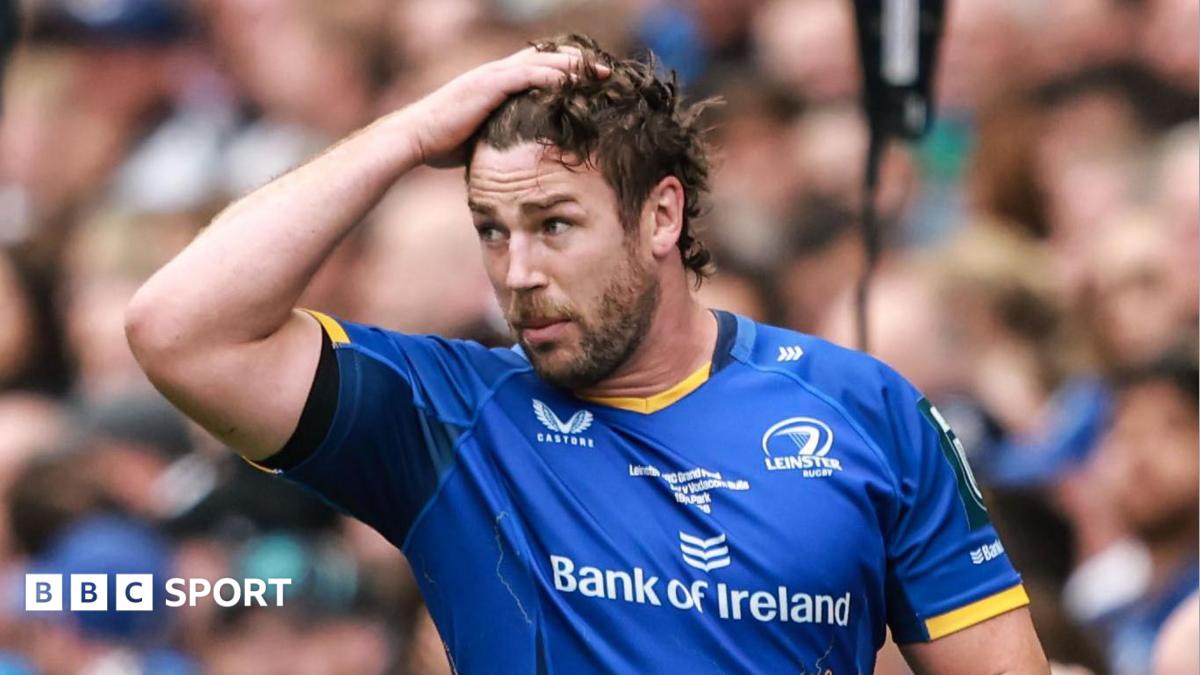
Ireland have been handed a significant setback ahead of their July international window, with captain Caelan Doris ruled out of the Nations Championship matches against Australia, Japan and New Zealand because of a foot injury. For a side that has built much of its recent success around continuity, leadership and physical control at the breakdown, losing the captain at the start of a demanding summer is a notable blow.
Doris has become central to Ireland’s game management in recent seasons, offering a blend of carrying power, defensive work and set-piece reliability from the back row. His absence does not just remove a high-level performer; it also takes away a player who helps set the tone for Ireland’s tempo and edge in tight matches. Against three very different opponents, that matters. Australia will test Ireland’s physicality, Japan will ask questions of speed and accuracy, and New Zealand will punish any drop in intensity.
What Doris’ absence means for Ireland
From a tactical perspective, Ireland now face an early summer adjustment in one of the most influential positions on the field. The back row is where Ireland often establish momentum, and any change there can affect both defensive structure and attacking balance. The coaching staff will need to decide whether to preserve the same style through a like-for-like replacement or use the opportunity to alter the balance of the pack.
The timing is also awkward because July tours and Test windows are often used to widen the player pool and build depth. That gives the injury a dual impact: it weakens Ireland immediately, while also forcing the management to accelerate the development of the next option in a role that demands decision-making under pressure.
Bryn’s rise offers one possible answer
One name in the frame is Bryn, who at 21 has already put together a breakthrough season with Ulster. He played a key role as Richie Murphy’s side reached the Challenge Cup final and was also involved as a training panellist for the Six Nations. That background suggests he is already on the radar at international level, even if stepping into Doris’ shoes would be a major ask.
For supporters, the injury is frustrating because it interrupts a summer that should have offered Ireland a chance to build rhythm and sharpen combinations against varied opposition. But it also creates an opening for another back-row player to stake a claim. In that sense, the July matches now carry added significance: they are no longer only about results, but about how Ireland adapt without their captain and whether the next layer of depth can hold up under Test pressure.
How Ireland respond will be closely watched. Doris’ injury is a reminder that even the most settled international sides can be forced into change quickly, and the best teams are often the ones that can absorb it without losing their identity.
Source note: This article was prepared using publicly available information from BBC Sport and expanded with editorial context.
Share this content: