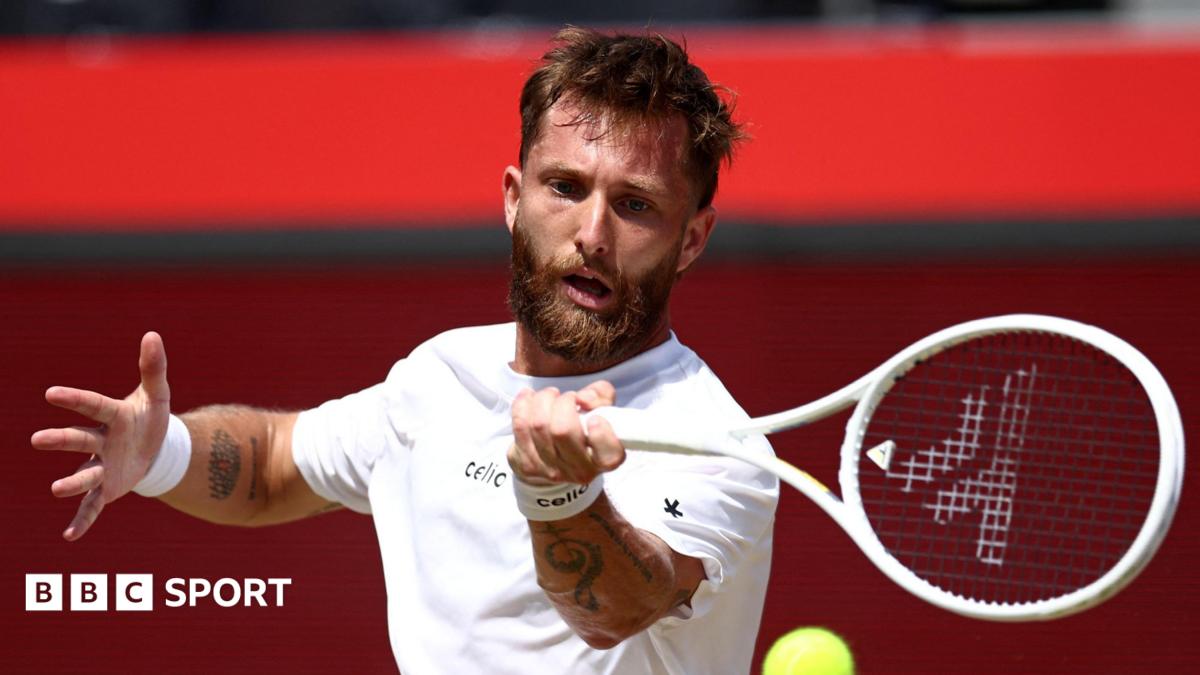
France’s Corentin Moutet has become the latest player to learn how quickly a post-match moment can turn expensive, after being fined $40,000 (£30,325) for swearing seven times in a live BBC television interview at Queen’s. The sanction left him with almost none of the prize money he earned at the tournament, turning a routine media appearance into a costly disciplinary story.
For supporters, the headline is not just about a fine. It is also a reminder of how tightly tennis regulates player conduct, especially in broadcast settings where the sport’s image is under constant scrutiny. A live interview can reach a far wider audience than a court-side exchange, which is why governing bodies tend to treat public profanity more seriously than many casual viewers might expect.
Why the punishment matters
Prize money is one of the clearest rewards in tennis, and fines that wipe out a player’s earnings always sharpen the debate around discipline and proportionality. In Moutet’s case, the BBC report makes clear that the financial hit was severe enough to leave him with almost nothing from Queen’s. That is a significant outcome for any player, particularly in a sport where earnings can vary sharply depending on how deep a run a player makes in a tournament.
The incident also highlights the pressure players face immediately after matches. Emotions are often still high, and interviews can be awkward, especially after intense or disappointing performances. But the professional expectation is that players remain composed, and broadcasters rely on that standard to protect the integrity of live coverage.
What it means for Moutet and the tour
For Moutet, the fine will likely be viewed as both a financial setback and a reputational one. Tennis players are judged not only on results but also on how they handle themselves in public, and disciplinary headlines can linger longer than a single match result. For the wider tour, the case reinforces the message that the sport is serious about conduct rules, even when the offense happens off the baseline rather than on it.
Queen’s is one of the most visible grass-court events on the calendar, and incidents there tend to attract extra attention because of the tournament’s profile and its place in the build-up to Wimbledon. That makes any disciplinary issue more prominent, especially when it involves a live BBC broadcast.
As a result, Moutet’s punishment will be read not only as a one-off sanction, but as part of a broader reminder to players: the cost of a few seconds of frustration can be far greater than the moment itself.
Source note: This article was prepared using publicly available information from BBC Sport and expanded with editorial context.
Share this content: