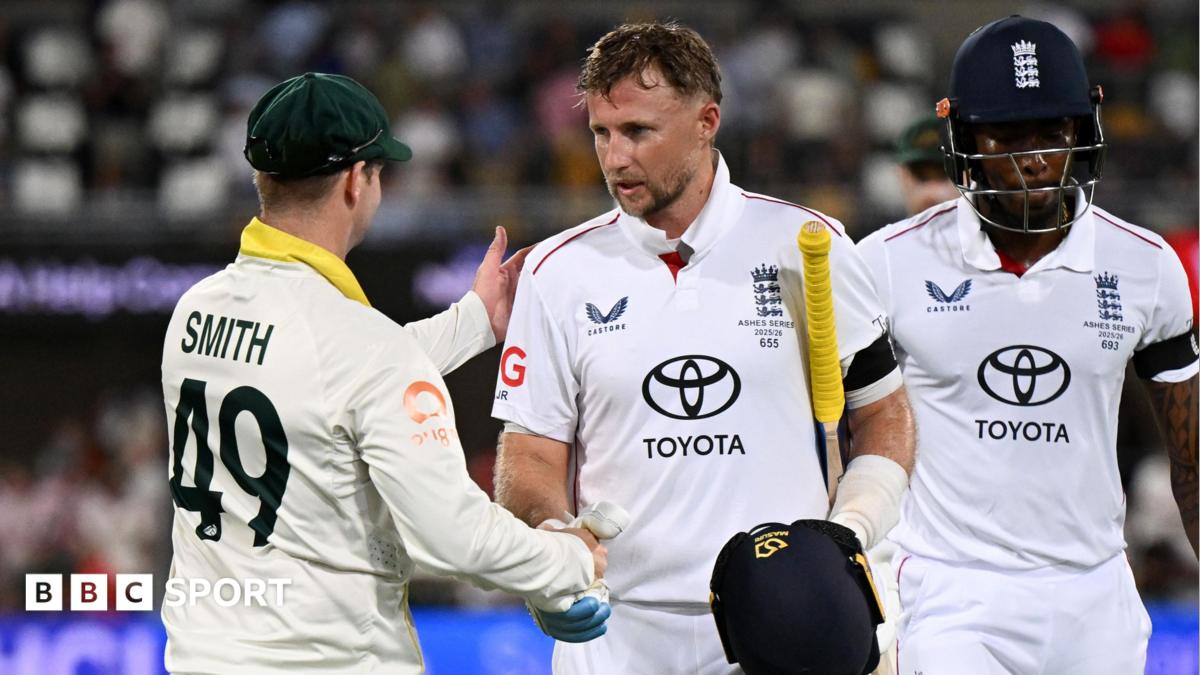
Cricket Australia’s chief executive has put forward an eye-catching idea: England and Australia should be open to playing a Test match in India if it helps strengthen interest in the format. The suggestion is notable not because it confirms a fixture, but because it reflects the growing pressure on administrators to keep Test cricket relevant in an increasingly crowded global calendar.
For supporters, the proposal speaks to a wider debate that has been building for years. Test cricket still carries the sport’s deepest traditions, but it also faces the challenge of competing with shorter formats that are easier to package, market and sell. A one-off Test involving two of the game’s biggest names, staged in India, would be a bold attempt to tap into one of cricket’s most passionate markets.
Why India matters in the Test conversation
India remains central to almost every major discussion about the future of cricket. It is the game’s largest commercial market and one of its most influential sporting audiences. If England and Australia were ever to play a Test there outside the usual bilateral structure, it would likely be viewed as both a symbolic and strategic move: symbolic because it would show the format can still travel and attract attention, strategic because it could help administrators test new ways of presenting the longest form of the game.
There is also obvious cricketing intrigue. England and Australia are already linked by one of the sport’s most historic rivalries, the Ashes, and any Test involving those nations in India would carry a different tactical flavour. Conditions in India typically reward patience, spin bowling and disciplined batting, which would create a very different challenge from the seam-friendly environments often associated with English cricket. That contrast is part of what could make the idea attractive to fans.
What it means for England, Australia and Test cricket
The proposal does not amount to an announcement, and there is no indication from the source that a match is being scheduled. But even as a concept, it is revealing. Administrators are clearly thinking beyond traditional boundaries as they search for ways to keep Test cricket visible and commercially viable. For England and Australia, two teams with huge followings and deep Test histories, being part of such a discussion underlines their role as standard-bearers for the format.
For supporters, the immediate takeaway is that the conversation around Test cricket is no longer just about preserving tradition. It is also about adaptation. If the sport wants to keep the five-day game meaningful for the next generation, ideas that once sounded unusual are increasingly being treated as serious options. Whether this one ever moves beyond discussion remains to be seen, but it is another sign that cricket’s power brokers are searching for fresh ways to protect the format’s future.
Separately, the BBC report also noted that former Australia batter David Warner has pleaded guilty to drink driving, though that is a distinct development from the Test-match proposal.
Source note: This article was prepared using publicly available information from BBC Sport and expanded with editorial context.
Share this content: