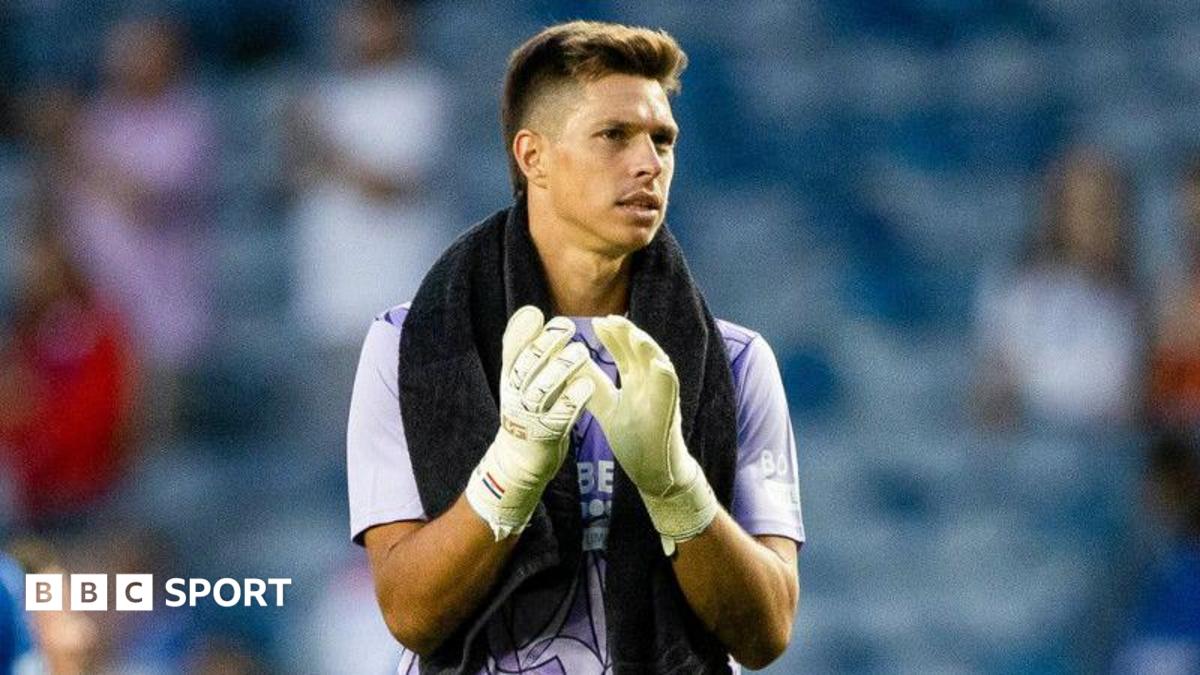
Ivor Pandur’s move to Rangers is one of the more interesting goalkeeper transfers of the summer because it was shaped as much by opportunity as by timing. The Croatian has explained that he left Hull City after being told the Championship club intended to bring in a new first-choice goalkeeper, a decision that effectively opened the door for him to make the switch to Ibrox.
For Rangers, the signing fits a familiar pattern: securing a goalkeeper with international pedigree and room to grow, while also strengthening a position that carries huge pressure in Glasgow. For Hull, the situation is equally revealing. A club pushing to build on progress and chase a return to the Premier League cannot afford uncertainty in goal, and the willingness to move for a new number one suggests a clear plan to reshape the spine of the team.
Why the move mattered for both clubs
Pandur’s arrival and Jack Butland’s move in the opposite direction underline how goalkeeper recruitment can become a domino effect. When one club decides to upgrade, another can suddenly find itself with a player available who is ready to step into a bigger role. That is exactly what appears to have happened here, with Rangers benefiting from Hull’s change in direction and Hull gaining an experienced option in Butland.
The transfer also carries added significance because Pandur was part of Croatia’s World Cup squad. Even if he was not the headline name in the market, that background gives Rangers a goalkeeper with experience of elite international environments and the mentality that comes with being around top-level competition. For supporters, that matters: goalkeepers are judged not only on saves, but on composure, command of the area and the ability to settle a defence.
What supporters should read into the deal
From a tactical perspective, a goalkeeper move is never just about shot-stopping. It affects build-up play, defensive positioning and how a team handles pressure in transition. Rangers will expect Pandur to bring reliability and confidence, while Hull’s decision to seek a new No.1 suggests they wanted a different profile for the next stage of their project.
For Rangers fans, the key takeaway is that the club have added a player who was wanted elsewhere and who arrived with a clear explanation for why he became available. For Hull supporters, the move is a reminder that promotion pushes often require difficult calls, especially in positions where margins are small and mistakes are costly. In both cases, the transfer reflects a summer market where one club’s plan can quickly become another club’s gain.
As goalkeeper moves go, this one is notable less for drama than for clarity. Pandur knew the direction Hull were taking, Rangers offered a fresh challenge, and both clubs acted accordingly. That makes the deal a useful case study in how modern transfer decisions are often driven by squad planning rather than sentiment.
Source note: This article was prepared using publicly available information from BBC Sport and expanded with editorial context.
Share this content: