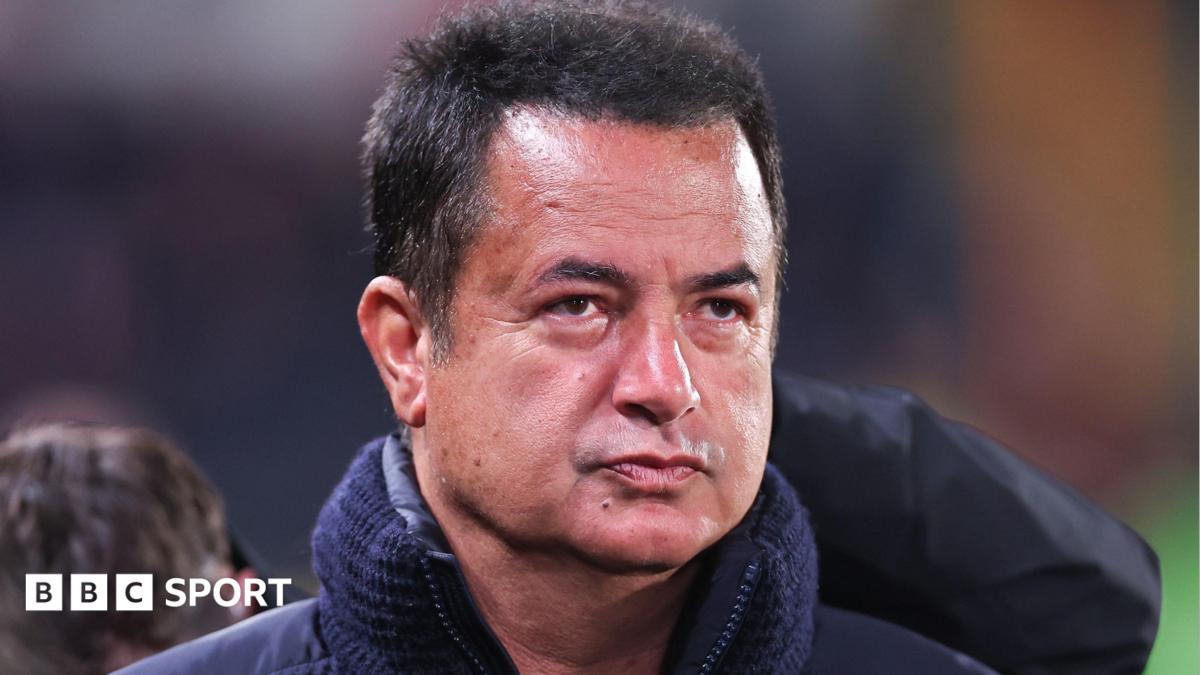
Hull City’s return to the Premier League has already brought the kind of scrutiny that comes with top-flight football, and owner Acun Ilicali has moved quickly to push back against transfer talk he believes is damaging the club’s image. According to the BBC report, Ilicali said he was “disturbed” by claims that Hull have been turned down by potential signings, and he took the unusual step of publicly clarifying the situation.
That response matters because newly promoted clubs are often judged as much by their recruitment as by their results. For Hull, the challenge is not only to strengthen a squad capable of competing after a nine-year absence from the division, but also to project stability and ambition to players weighing up a move. In that context, even unverified transfer chatter can become part of the wider battle for credibility.
Why the reaction matters for Hull City
Hull’s promotion through the Championship play-off final in May reset expectations around the club, but it also raised the stakes. A return to the Premier League brings greater visibility, stronger opponents and a far more demanding transfer market. Clubs in Hull’s position often need to convince targets that the project is secure, the pathway is clear and the environment is attractive enough to support a survival push.
Ilicali’s intervention suggests the club is conscious of how quickly narratives can harden around recruitment. If players believe a club is struggling to land targets, that can affect negotiations, fan confidence and the wider perception of the summer window. For supporters, the message is that the ownership wants to control the story early rather than allow speculation to define the club’s market position.
What it means on and off the pitch
From a footballing perspective, Hull’s next steps will be judged on whether they can translate promotion momentum into a squad that is competitive at Premier League level. Newly promoted sides usually need a careful balance: enough experience to handle the division, enough quality to improve the starting XI, and enough depth to survive the long season. Any uncertainty around recruitment makes that task harder.
Off the pitch, Ilicali’s comments also underline how important communication has become in modern football. Owners and executives are increasingly expected to respond quickly when a club’s reputation is questioned, especially during transfer windows when rumours spread fast. For Hull, the priority now is to turn the conversation back toward signings, preparation and the practical demands of life back in the top flight.
For supporters, the broader takeaway is simple: promotion has brought opportunity, but it has also brought pressure. Hull’s summer business will be watched closely, and the club’s ability to land its targets may shape how realistic their Premier League return looks from the outset.
Source note: This article was prepared using publicly available information from BBC Sport and expanded with editorial context.
Share this content: