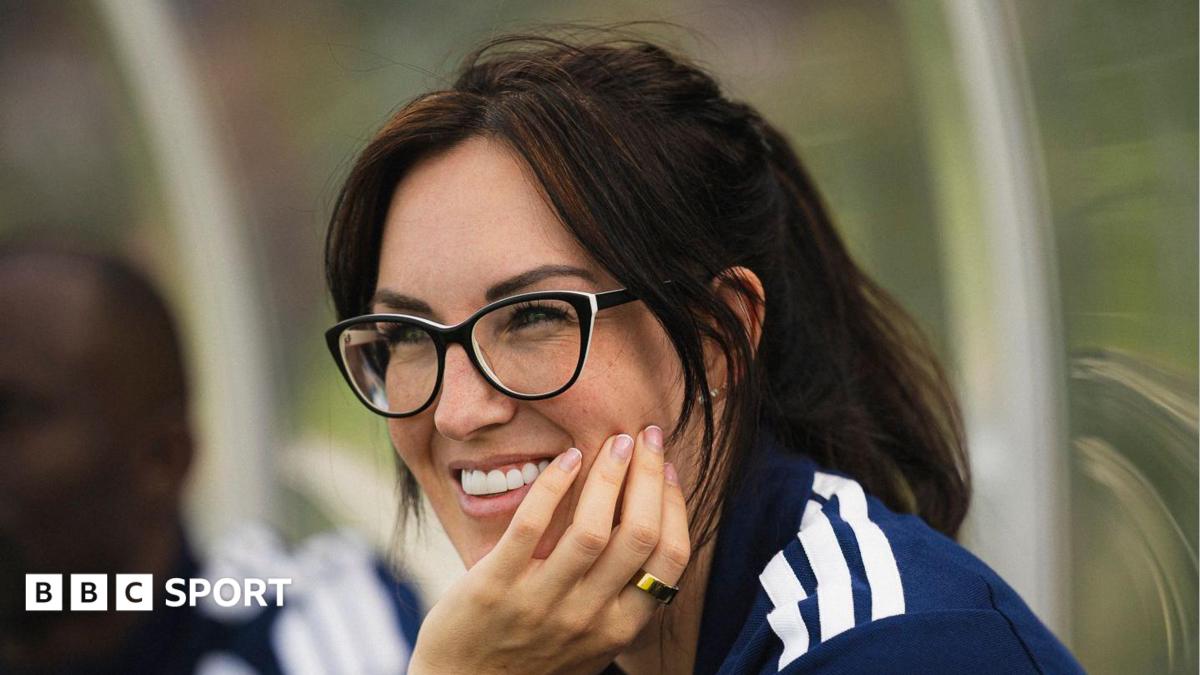
The BBC’s latest World Cup feature turns the spotlight away from the pitch and toward the people responsible for keeping players fit, safe and available. Its subject is a trailblazing doctor from Curaçao, framed within a striking statistic: among the head medical staff for the men’s 2026 World Cup, there is one woman and 47 men.
That detail matters because tournament football is not only decided by tactics, pressing structures and set-piece routines. At major international events, medical teams are part of the competitive edge. Recovery windows are short, travel demands are heavy and the margin between a player being ready or ruled out can shape a nation’s campaign. A doctor operating on that stage is therefore not a background figure but a key part of the football operation.
Why this story matters beyond representation
For supporters, stories like this broaden the understanding of what elite football looks like behind the scenes. The World Cup is often discussed through managers, star forwards and knockout drama, but the infrastructure around the squad is just as important. Medical leadership influences injury management, return-to-play decisions and the daily rhythm of a tournament camp.
The BBC’s framing also points to a wider issue in the sport: women remain underrepresented in senior football medical roles, especially at the highest men’s international level. The fact that the article identifies a lone woman among 48 head medical staff positions gives the story relevance beyond one individual. It reflects the current shape of the game’s professional support structures and the slow pace of change in some areas of elite football.
What it means for the World Cup conversation
As the 2026 World Cup approaches, attention will naturally focus on squads, qualifying paths and tactical matchups. But features like this remind readers that the tournament is also built on expertise outside the technical area. Medical staff help determine how teams manage fatigue, injuries and player availability across a demanding competition.
For Goal Sports News readers, the takeaway is twofold. First, the World Cup continues to expand in scale and scrutiny, making every role around the team more visible. Second, representation at the top level still has room to grow, and the presence of a Curaçao doctor in such a prominent position is a notable marker of progress in football’s professional landscape.
While the BBC piece is a feature rather than a transfer or match report, it is still a football story with real competitive implications. In modern international football, the people who keep players on the field can be just as influential as the people who send them onto it.
Source note: This article was prepared using publicly available information from BBC Sport and expanded with editorial context.
Share this content: