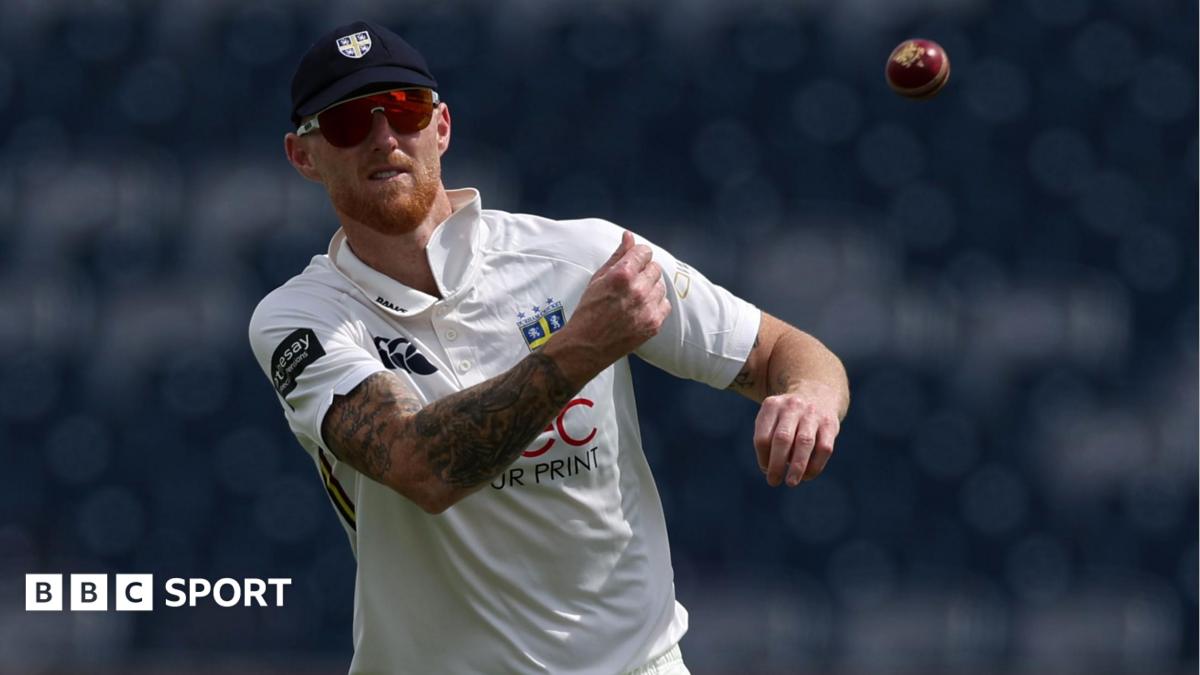
Durham chief executive Tim Bostock has pushed back against speculation surrounding Ben Stokes after a London nightclub incident prompted questions about the England Test captain’s state of mind. His reaction is notable not just because of Stokes’ profile, but because it comes at a time when every public appearance by the England skipper is being scrutinised through the lens of leadership, availability and emotional readiness.
For Durham, the issue is bigger than one headline. Stokes remains one of English cricket’s defining figures, a player whose influence extends well beyond runs, wickets or match-winning moments. When doubts emerge around his wellbeing, they inevitably carry implications for England’s Test setup, Durham’s own connection to one of the game’s most recognisable names, and the wider conversation about how elite athletes are judged in the aftermath of off-field incidents.
Why the reaction matters
Bostock’s use of the word “bemused” suggests Durham believe the speculation has gone beyond what the available facts support. That matters because public narratives around senior players can quickly harden into assumptions, especially when the player in question is also captain of the national Test side. In Stokes’ case, the scrutiny is amplified by his central role in England’s red-ball identity and by the expectation that he sets the tone on and off the field.
The BBC report also points to a Durham update from three days earlier, when Campbell said Stokes was in good spirits. Taken together, the club’s messaging appears designed to calm the noise rather than feed it. For supporters, that is an important distinction: it suggests the club is not seeing evidence of a wider issue, even if the incident itself has generated attention.
What it means for England and Durham
From an England perspective, any suggestion of uncertainty around Stokes is naturally significant. He is not just a senior player; he is the tactical and emotional centre of the Test team. His presence affects selection balance, leadership structure and the confidence of those around him. Even when no formal cricketing issue exists, off-field speculation can become a distraction if it is allowed to dominate the conversation.
For Durham, the story also underlines the challenge of managing the public image of a high-profile figure with strong ties to the county. Stokes’ association with Durham gives the club a direct stake in how such stories are framed, especially when the facts are limited and the commentary is broader than the evidence. Bostock’s intervention is therefore as much about protecting perspective as it is about defending a player.
At this stage, the key takeaway is straightforward: the available reporting does not indicate a confirmed problem with Stokes’ readiness, only that questions have been raised and Durham have responded firmly. For supporters, that should temper the speculation and keep the focus on verified information rather than assumption.
Source note: This article was prepared using publicly available information from BBC Sport and expanded with editorial context.
Share this content: