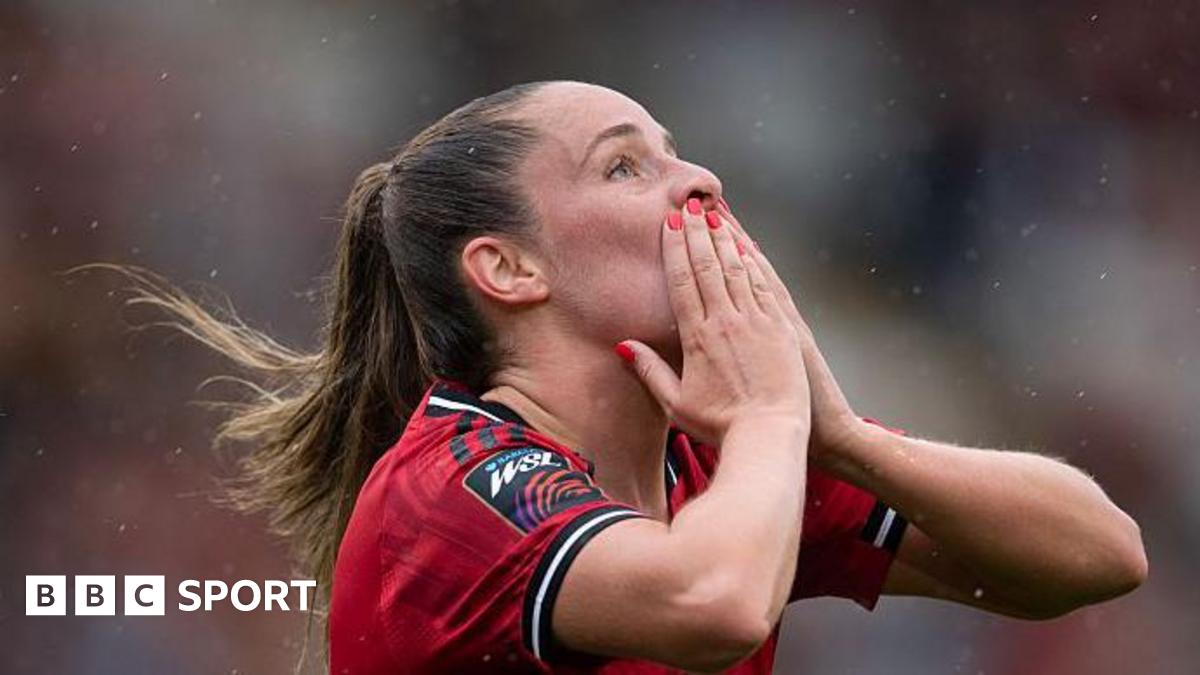
Ella Toone’s story is not just about football, but about how elite sport can become a place to carry grief, memory and responsibility at the same time. The England and Manchester United midfielder is preparing for her wedding this summer with a painful absence at the centre of the day: an empty chair for her father, Nick.
According to the BBC’s feature, Nick was more than a parent watching from the stands. He was the person Toone says she dedicates every goal to, and the figure she credits as the main reason she has reached the level she is at today. That detail matters because it explains why Toone’s public image has long been tied to emotion as much as performance. For supporters, it is a reminder that the players they see in club and international shirts are often carrying private burdens that never appear on the team sheet.
Football as a way through grief
Toone’s situation also speaks to the role football can play in the grieving process. For many players, routine, training and matchday pressure offer structure when life outside the game feels unsteady. In Toone’s case, the sport is not presented as an escape from loss, but as a way of continuing a bond with her father. Every goal becomes a gesture of remembrance, and every appearance for Manchester United or England carries added emotional weight.
That emotional layer can matter on the pitch too. Players dealing with personal loss often speak about the challenge of balancing concentration with feeling, especially in high-pressure environments where consistency is expected. For a midfielder like Toone, whose game depends on energy, decision-making and confidence, the mental side is as important as the physical one. The BBC feature underlines how football can be both a profession and a coping mechanism.
What it means for Manchester United and England
For Manchester United, Toone remains one of the most recognisable figures in the women’s team and a player whose influence extends beyond goals and assists. Her connection with supporters is strengthened by the honesty of her story, and that can deepen the sense of identity around the club. For England, she is part of a generation of players whose profiles are shaped not only by results but by the personal narratives that accompany them.
There is also a wider sporting significance here. Modern football increasingly asks players to be visible, accessible and emotionally open, yet the demands of the game rarely pause for private grief. Toone’s experience shows how those pressures intersect. The wedding chair left empty is a simple image, but it carries the weight of a much larger truth: football does not remove loss, but it can give it a place to live.
For supporters, that makes Toone’s performances feel more human. Her goals are not just moments of celebration; they are also acts of remembrance. And in that sense, her story is bigger than one summer wedding. It is about how a footballer keeps moving forward while still carrying the people who helped build the path behind her.
Watch 24 Hours with Ella Toone on BBC iPlayer.
Source note: This article was prepared using publicly available information from BBC Sport and expanded with editorial context.
Share this content: