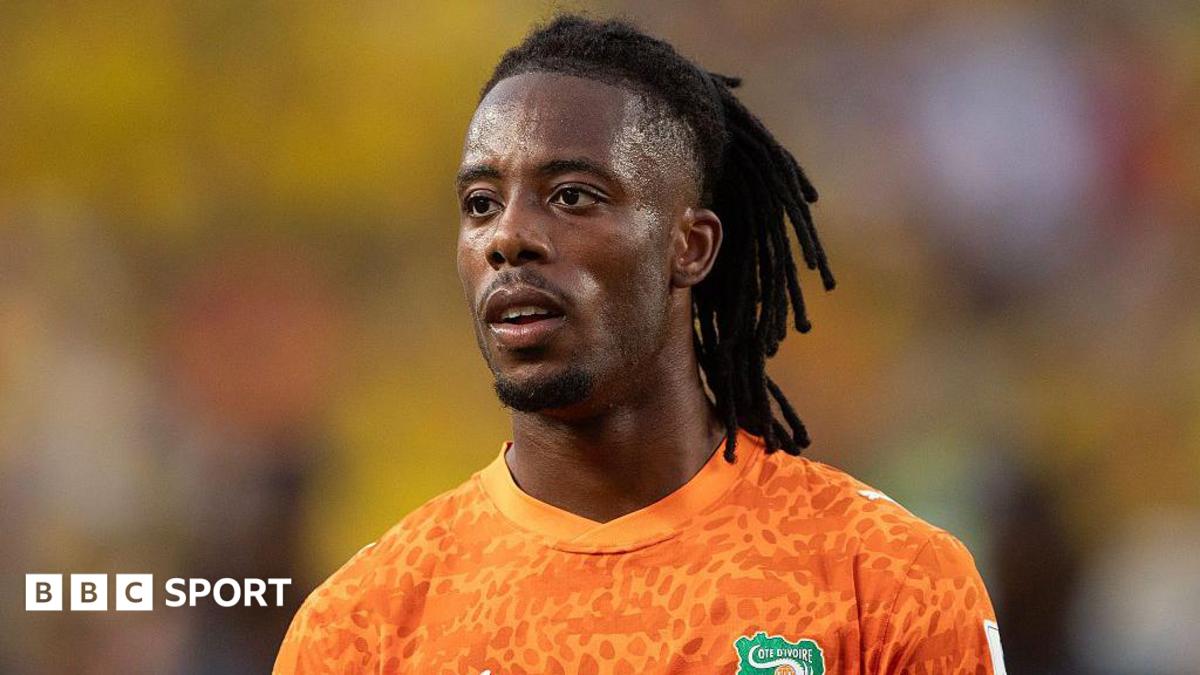
Ivory Coast have been hit by an off-field complication before a crucial World Cup group match, with forward Elye Wahi denied entry to Canada ahead of Saturday’s meeting with Germany. The development adds an administrative layer to what is already a high-pressure fixture for the African side, who now have to prepare without certainty over one of their attacking options.
For supporters, the immediate concern is not only the absence of a player, but the disruption to squad planning. At tournament level, where preparation time is limited and margins are small, any travel or visa issue can affect training structure, bench balance and the tactical options available to the coach. If Wahi is unavailable, Ivory Coast may need to adjust their attacking shape, whether that means relying on a different central striker profile or asking wider forwards to carry more of the goal threat.
Administrative problems can have sporting consequences
These situations often matter more than they first appear. International teams build match plans around availability, and a late change can force a rethink on pressing triggers, link-up play and substitution patterns. Against a Germany side that will typically expect to control territory and possession, Ivory Coast’s ability to counter quickly and stay compact could become even more important if their attacking rotation is reduced.
Wahi’s denial of entry also underlines how modern international football is shaped by logistics as well as tactics. Travel clearance, documentation and border checks can become decisive factors, particularly at major tournaments where teams move across countries and operate under strict schedules. For Ivory Coast, the priority will be to resolve the issue quickly and keep the focus on the match itself.
What it means for Ivory Coast
Even with the limited information available, the sporting implication is clear: Ivory Coast may have to prepare for Germany without one of their named forwards. That can influence everything from the starting XI to the timing of substitutions, especially if the game becomes stretched late on. It also places added responsibility on the rest of the attack to convert chances efficiently.
For Germany, the news may not change their own game plan dramatically, but it does remove one variable from their preparation. For Ivory Coast, however, it is a reminder that tournament football is often decided by more than what happens on the pitch. The team’s response to this setback will be watched closely by supporters looking for signs of resilience and adaptability.
BBC Sport reported the issue on Friday, with the group match scheduled for Saturday. Further updates would determine whether Ivory Coast can still count on Wahi or whether they must make a late adjustment to their squad plans.
Source note: This article was prepared using publicly available information from BBC Sport and expanded with editorial context.
Share this content: