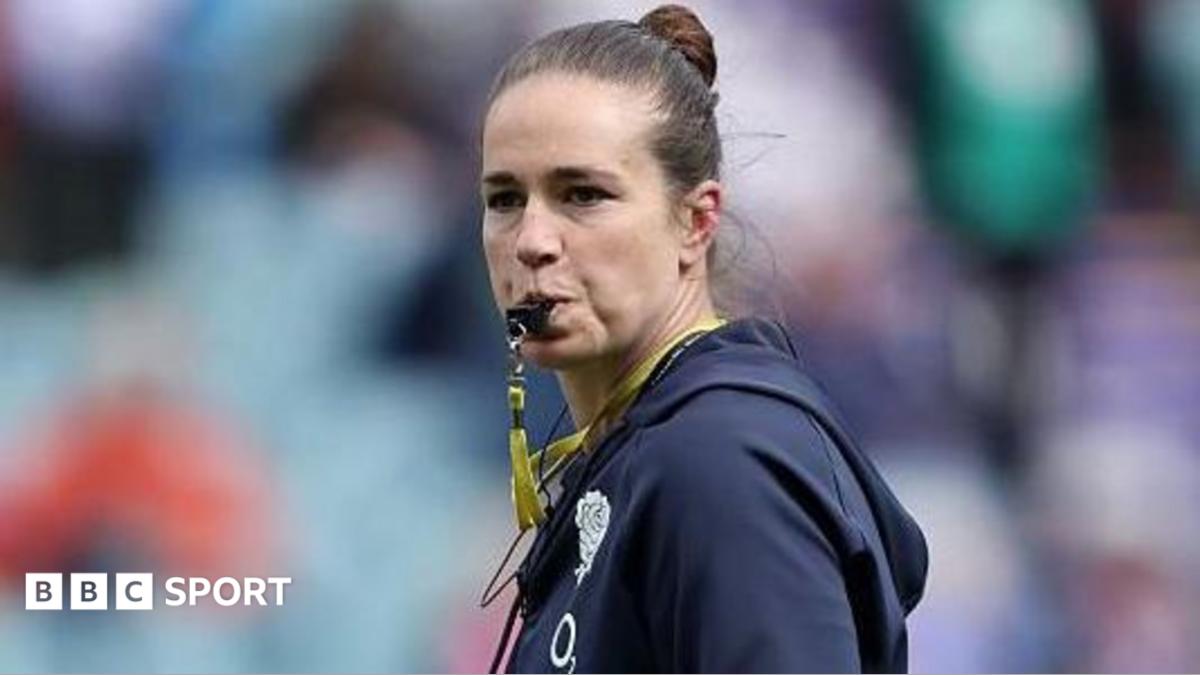
England have moved to secure continuity in their women’s programme by keeping Emily Scarratt in the Red Roses coaching set-up on a permanent basis. For a team that has spent recent years balancing elite performance with succession planning, the decision underlines how highly the former centre is valued beyond her playing record.
Scarratt is best known as England’s record points-scorer, but this latest step points to a broader transition from on-field leader to trusted coaching figure. That matters for England because experience at international level is not just about technical knowledge; it is also about understanding pressure, tournament rhythms and the standards required to win consistently. Those are qualities that can be difficult to replace quickly, especially in a side expected to challenge at the top of the women’s game.
Why this matters for England
Keeping Scarratt in the environment should help preserve continuity in the Red Roses’ culture and messaging. In elite international rugby, small details in preparation, communication and game management can decide tight matches. A coach with Scarratt’s background brings immediate credibility in those areas, particularly to younger players coming into the squad who need guidance on what it takes to perform at Test level.
There is also a tactical angle. England have long been defined by physicality, structure and the ability to control territory and tempo. A coach with a deep understanding of backline play and decision-making can add value in how the side builds attacking shape, manages kicking options and responds when matches become fragmented. Even without a detailed breakdown of her specific responsibilities in the BBC report, the permanence of the appointment suggests England see her as more than a symbolic addition.
What supporters can take from the move
For supporters, the key takeaway is stability. England’s women’s team has been one of the leading forces in the international game, and keeping respected figures inside the system helps reduce disruption between cycles. It also signals that the Red Roses are thinking long term, not just about the next fixture but about sustaining standards across seasons and major tournaments.
Scarratt’s move into a permanent coaching role also reflects a wider trend in elite sport: the best teams increasingly value institutional knowledge as much as fresh ideas. If England can blend her experience with the existing coaching structure, they strengthen both their short-term preparation and their long-term identity. The BBC report confirms the commitment, and the significance lies in what it says about England’s ambition to keep elite talent close to the programme even after playing careers evolve.
Source note: This article was prepared using publicly available information from BBC Sport and expanded with editorial context.
Share this content: