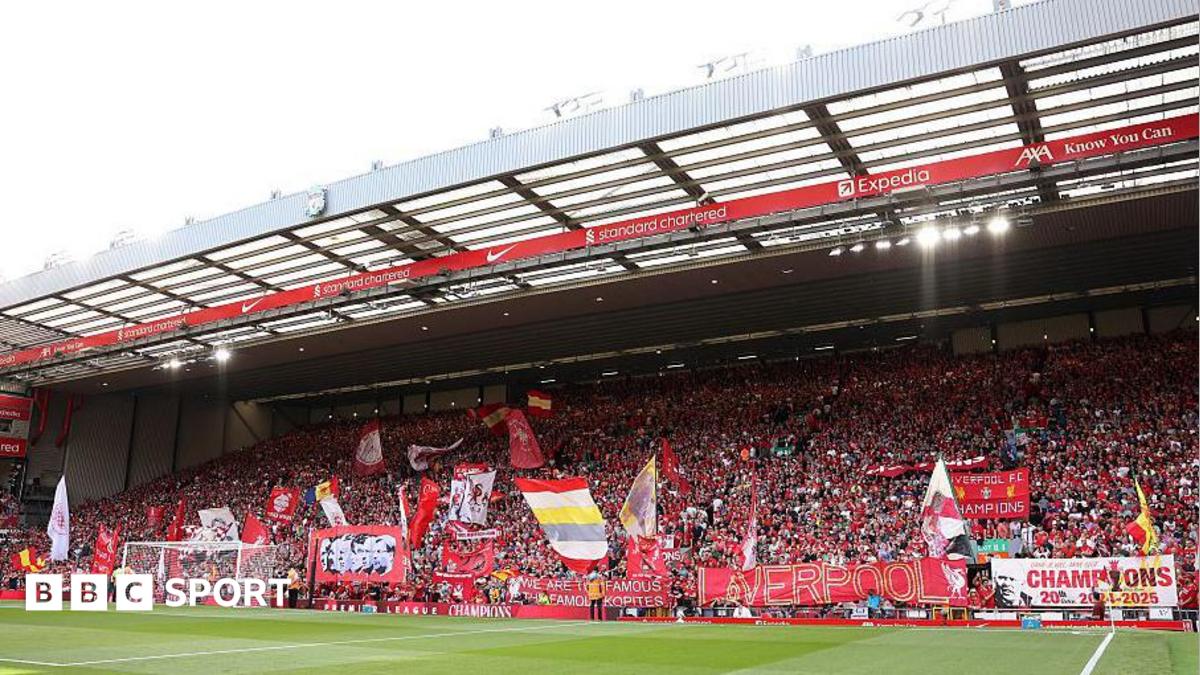
Liverpool’s latest action against ticket touting is a reminder that modern football’s off-pitch battles can be just as important as what happens on the pitch. According to the BBC report, the club has handed out more than 400 lifetime bans after police seized over £1.2m of assets connected to the illegal resale of tickets.
For supporters, this is not a minor administrative update. Ticket touting distorts access, inflates prices and often leaves genuine fans priced out of matches. At a club with Liverpool’s global demand, the issue is especially sensitive because the gap between official supply and unofficial resale can be exploited quickly and at scale. A crackdown of this size suggests the club is trying to protect both its match-going fanbase and the integrity of its ticketing system.
Why the crackdown matters
The scale of the bans indicates Liverpool are treating the problem as a serious breach rather than a series of isolated incidents. Lifetime bans are among the strongest sanctions a club can impose, and they send a clear message that illegal ticket activity is not being viewed as a grey area. The seizure of assets by police also points to a wider enforcement effort beyond club discipline alone.
For a Premier League club with a huge waiting list and intense demand for seats, the reputational stakes are high. Supporters want reassurance that access is being policed fairly and that tickets are going to legitimate fans rather than being funnelled into a black market. Measures like this can also help preserve the atmosphere inside Anfield by keeping the matchday crowd more representative of the club’s core support.
Supporter trust and club control
There is also a broader footballing context here. Clubs increasingly rely on digital ticketing, identity checks and data-led monitoring to detect abuse, and Liverpool’s response fits that trend. The message is that ticketing is now part of the club’s wider governance and supporter-relations strategy, not just a back-office function.
While the BBC item is brief, the implications are clear: Liverpool are drawing a firm line in defence of ordinary fans. In an era when demand for elite football far exceeds supply, that stance matters. It is about more than punishment; it is about maintaining trust in the system that gets supporters through the turnstiles in the first place.
For Liverpool fans, the hope will be that this action helps reduce the influence of touts and makes it harder for illegal operators to profit from the club’s popularity. For the club, it is another sign that protecting access to Anfield is being treated as a priority worthy of heavy sanctions and police involvement.
Source note: This article was prepared using publicly available information from BBC Sport and expanded with editorial context.
Share this content: