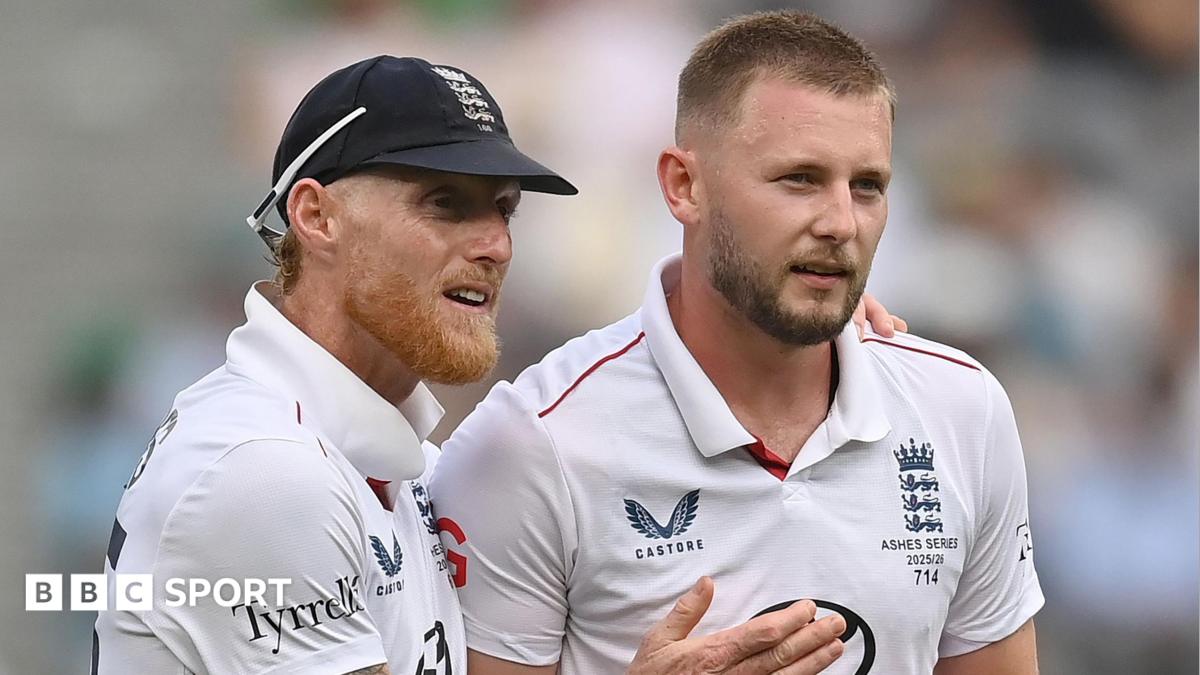
England men’s players have been advised to avoid alcohol on the day before and the day after matches, according to new behaviour guidelines reported by BBC Sport. While the measure is straightforward on paper, it speaks to a broader shift in how elite teams manage preparation, recovery and professionalism around matchdays.
For supporters, the headline is less about a single rule and more about what it suggests: England are continuing to tighten standards in the pursuit of consistency. In modern elite sport, marginal gains matter. Recovery windows, sleep quality, hydration and mental sharpness are all part of the same performance equation, and alcohol restrictions around fixtures fit that logic.
What the guideline means
The reported advice applies specifically to the day before and the day after matches. That timing is significant. The pre-match period is when players are expected to be fully focused on tactical preparation, physical readiness and routine. The post-match period is equally important, particularly in a packed schedule where recovery can shape selection decisions and performance levels in the next game.
Although the source does not provide further detail on enforcement or whether the guidance is mandatory, the message is clear: England want match preparation to be treated with greater discipline. That is especially relevant in a sport where margins can be small and where teams increasingly lean on sports science to reduce avoidable performance drops.
Why this matters for England
England’s approach reflects a wider trend across elite sport, where off-field habits are increasingly viewed as part of on-field output. For a national side, the issue is not only individual behaviour but also the collective standard set within the squad. Guidelines like this can help create consistency, particularly when players arrive from different club environments and routines.
From a tactical and competitive standpoint, the benefit is indirect but important. Better recovery can support sharper decision-making, more reliable energy levels and improved availability across a series of matches. For a team aiming to maintain high standards, those details can influence selection stability and overall rhythm.
There is also a cultural angle. National teams often use behaviour standards to reinforce identity and accountability. Even without dramatic headlines, such guidance can signal that the squad is expected to operate with a professional edge at all times around fixtures.
BBC Sport’s report does not suggest a disciplinary scandal or a reaction to a specific incident. Instead, it points to a proactive attempt to shape habits. For England supporters, that may be reassuring: it suggests a team environment focused on preparation, recovery and the small details that can add up over time.
As with any internal guideline, the real test will be whether it becomes part of the team’s routine and whether it contributes to the consistency England are seeking. But the principle behind it is familiar in top-level sport: if you want elite results, you try to remove avoidable distractions wherever possible.
Source note: This article was prepared using publicly available information from BBC Sport and expanded with editorial context.
Share this content: