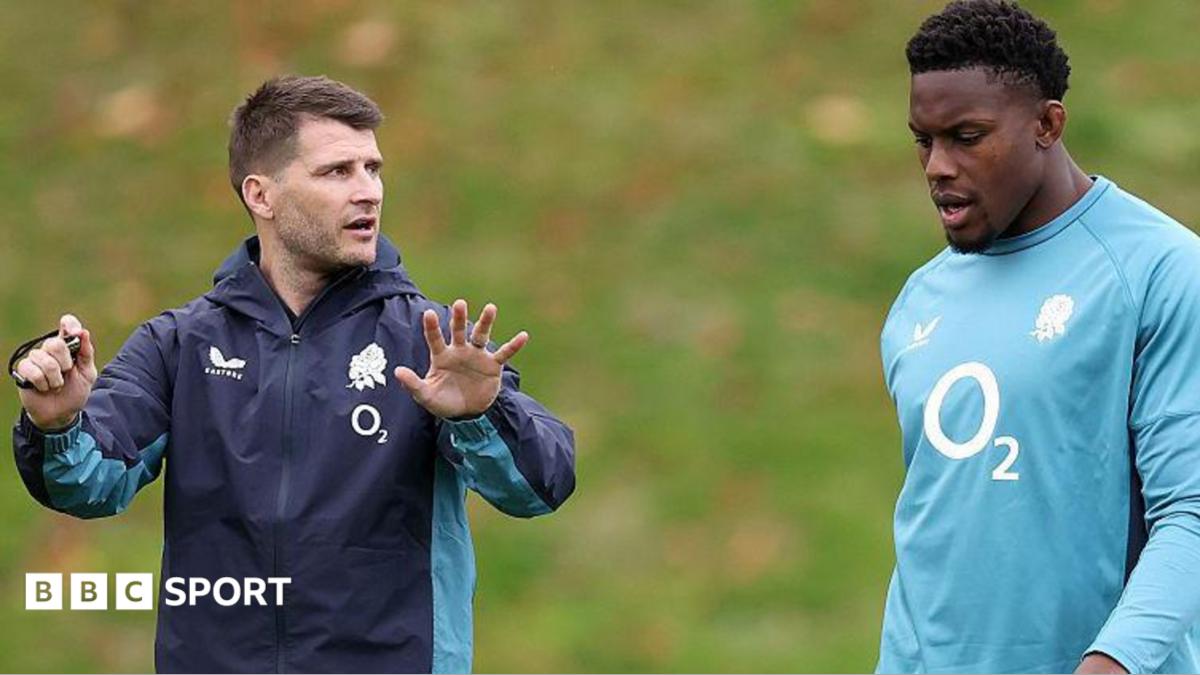
England’s decision to leave captain Maro Itoje out of next month’s meeting with South Africa is being framed as a sensible call rather than a gamble, with senior assistant coach Richard Wigglesworth saying he is “incredibly happy” with the move. In a fixture of this size, selection decisions are rarely just about one match; they are also about managing bodies, preserving leadership for the long term and making sure key players arrive at the right point in the season with enough energy to influence the biggest games.
For supporters, the headline is obvious: England will face the world champions without one of their most important figures. Itoje’s absence matters not only because of his status as captain, but because he is central to the team’s physical edge, lineout organisation and defensive intensity. When a player of that profile is rested, it usually signals a broader plan from the coaching staff rather than a short-term reaction. England appear to be prioritising control over risk, especially with a heavyweight Test against South Africa demanding freshness as much as experience.
Why the decision matters
Resting a captain before a marquee international can be read in two ways. On one hand, it removes a proven leader from a match that will test England’s composure and set-piece discipline. On the other, it suggests the coaching group believes the squad has enough depth to absorb the loss and still compete. That is an important message in itself. If England can manage a game of this magnitude without over-relying on Itoje, it strengthens the case that the side is building resilience beyond its most established names.
Wigglesworth’s public backing of the decision also matters because it reduces the sense of uncertainty around the selection. Rather than presenting the omission as a compromise, England are treating it as a deliberate step. That kind of clarity can help the squad, especially younger or fringe players who may now know they are being trusted to take on more responsibility in a high-pressure environment.
What it means for England’s approach
South Africa remain the benchmark for physicality and game management, so England’s preparation will need to be precise. Without Itoje, the emphasis may shift even more heavily onto collective lineout work, breakdown discipline and leadership across the pack. The challenge for England is not simply replacing one player’s output, but redistributing his influence across the team.
For fans, the bigger picture is encouraging if the decision is part of a sustainable plan. England have often been judged on whether they can balance short-term results with long-term squad health, and this is exactly the kind of call that reveals a coaching staff’s priorities. If the rest is successful, it may be remembered less as a bold omission and more as evidence that England are thinking carefully about how to peak when it matters most.
The latest update also reinforces how tightly managed modern international rugby has become. With elite fixtures arriving in quick succession and the physical demands continuing to rise, the best teams are increasingly defined by how well they protect their most valuable players. In that context, leaving Itoje out is not a sign of weakness; it is a sign that England believe they can afford to think strategically.
Source note: This article was prepared using publicly available information from BBC Sport and expanded with editorial context.
Share this content: