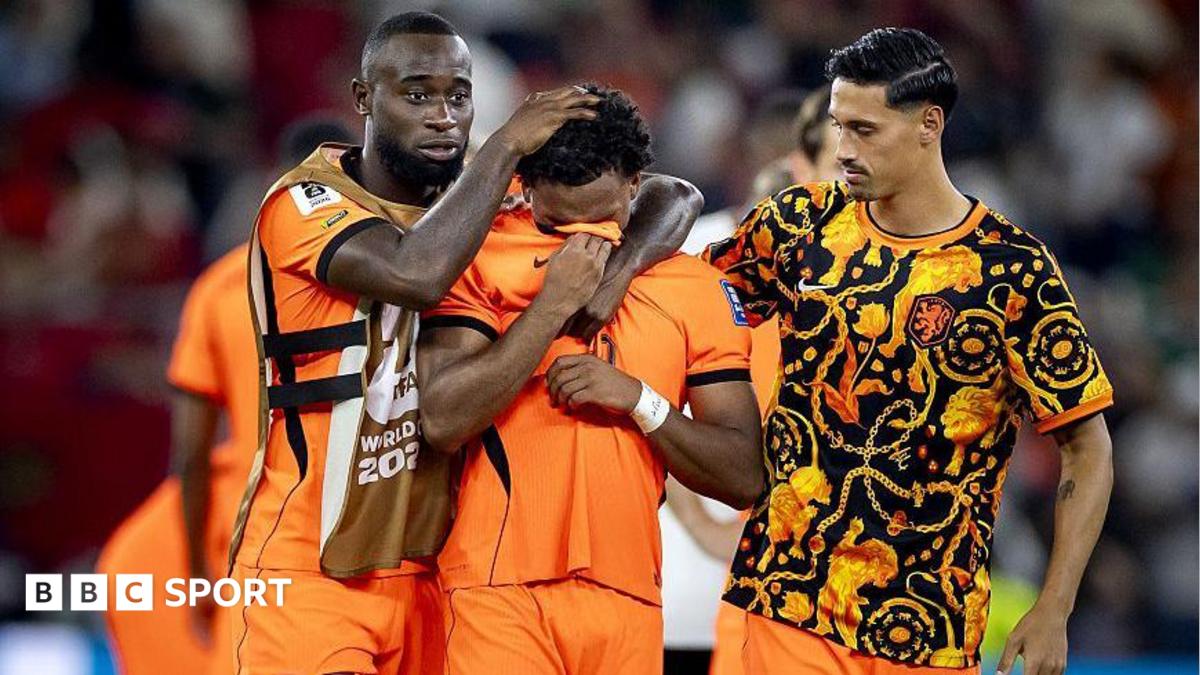
FIFA has raised fresh concern over the scale of racist abuse directed online during the World Cup, after its social media protection service reported a significant increase in the most serious cases. The finding adds to a problem that football has struggled to contain for years, and it underlines how major tournaments continue to attract abuse that spills far beyond the pitch.
The latest warning matters because the World Cup is football’s most visible stage. When abuse rises around an event of this size, the impact is felt not only by players and teams, but also by supporters, broadcasters and the wider game. It is a reminder that online moderation is now part of tournament security in the broadest sense, with social platforms and governing bodies under pressure to respond quickly and consistently.
Why this matters for football
Racist abuse online is not a side issue. It affects player welfare, distorts the public conversation around matches and can create a hostile environment for anyone involved in the tournament. For players, the emotional toll can be immediate, especially after high-profile games when social media traffic spikes and abusive messages can spread rapidly. For teams and federations, it raises questions about how much protection can realistically be offered once abuse moves into private accounts and anonymous channels.
FIFA’s use of a social media protection service shows how seriously the issue is being treated operationally. The key challenge, however, is that detection alone does not solve the problem. The real test is whether abusive content is removed quickly, whether accounts are identified and sanctioned, and whether platforms can prevent repeat offenders from simply reappearing under new profiles.
What supporters should take from the report
For supporters, the report is another sign that football’s digital culture is still struggling to match the values the sport claims to promote. The World Cup is supposed to showcase the game at its best, but the rise in racist abuse online shows how easily the conversation around elite football can be poisoned. That matters because it affects how fans experience the tournament too: instead of debate about tactics, selection or momentum, attention is repeatedly pulled toward misconduct and moderation failures.
There is also a broader competitive implication. When abuse becomes a recurring feature of major events, it can influence how players engage with social media, how clubs and national teams manage communications, and how much trust supporters place in the platforms hosting the conversation. The issue is now part of football’s modern infrastructure, not just its public relations.
BBC Sport reports that FIFA’s SMPS has identified the increase, but the wider significance is clear even without further detail: football’s governing bodies remain in a race to keep online spaces safe enough for the game to be followed without intimidation. Until that improves, every major tournament will carry the same uncomfortable shadow.
Source note: This article was prepared using publicly available information from BBC Sport and expanded with editorial context.
Share this content: