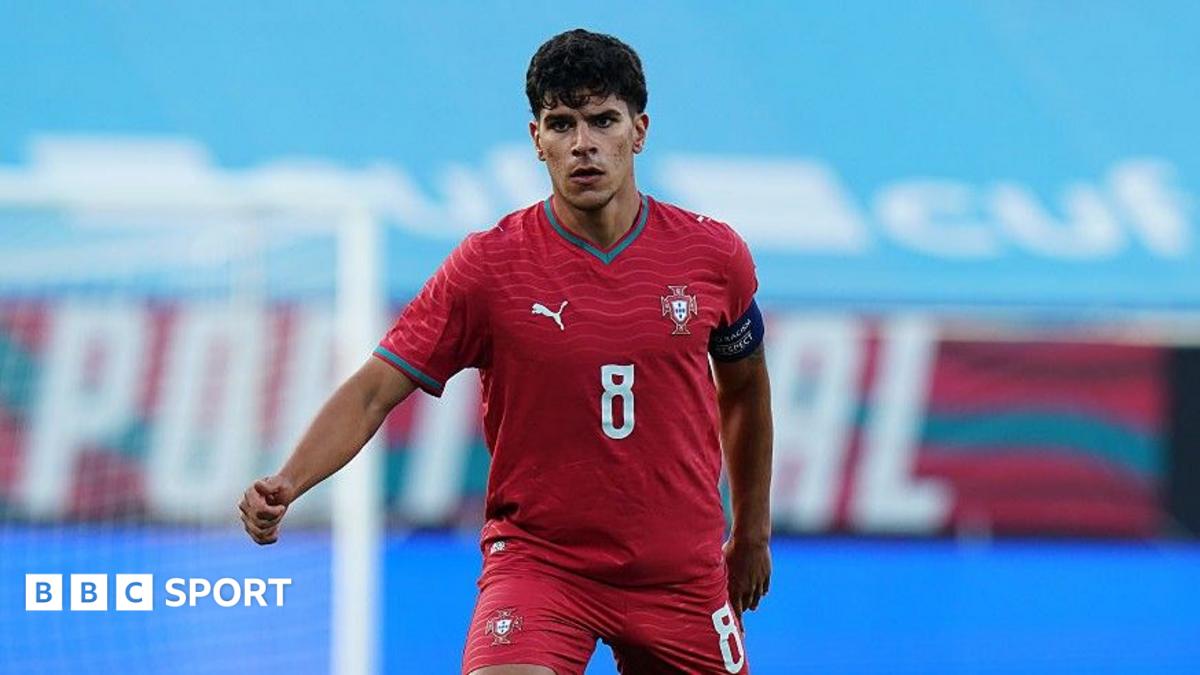
Manchester United’s summer transfer window is already under scrutiny after the club missed out on a midfield target for the second time in a week. That alone is enough to raise questions about the direction of the rebuild, especially when rivals are moving quickly and decisively to secure priority targets.
The latest setback is significant not only because of the player involved, but because it reinforces a broader concern around United’s recruitment strategy. In a market where elite clubs are expected to act early, repeated failures to land midfield options can leave a squad exposed before the season even begins. For supporters, that creates a familiar sense of frustration: the need is obvious, but the solution is not arriving.
United’s midfield problem is becoming a transfer story
Midfield has been one of the most closely watched areas of United’s squad planning, and the BBC report suggests the club are already losing ground in that search. When a team misses out on multiple targets in quick succession, it is rarely just about one negotiation. It can point to a wider issue with timing, valuation, or the club’s ability to persuade players that the project is moving in the right direction.
That matters tactically as well as commercially. A midfield rebuild is not a cosmetic exercise; it affects control, pressing structure, ball progression and the balance between attack and defence. If United are unable to strengthen there, the pressure on existing options increases and the margin for error narrows once competitive fixtures begin.
Rivals are setting the pace
The clearest contrast comes from Manchester City’s move for Elliot Anderson. On 25 June, City agreed a club-record £116m deal with Nottingham Forest for the player identified in the source as United’s first-choice target. Whether or not United were ever in a position to match that level of spending, the optics are damaging: a direct rival has acted quickly and landed a major midfield signing while United are still searching.
For supporters, that comparison will sting. Transfer windows are often judged less by what a club says and more by what it actually secures. At the moment, United’s story is one of delay and disappointment rather than momentum. If the club are to change the mood around the summer, they will need to respond with clarity, speed and a successful alternative target before the market moves on again.
For now, the BBC’s framing is blunt: no signings, no sales, and a growing sense that Manchester United’s transfer business is not yet under control. That is not a fatal position in June, but it is an uncomfortable one for a club trying to project progress.
Source note: This article was prepared using publicly available information from BBC Sport and expanded with editorial context.
Share this content: