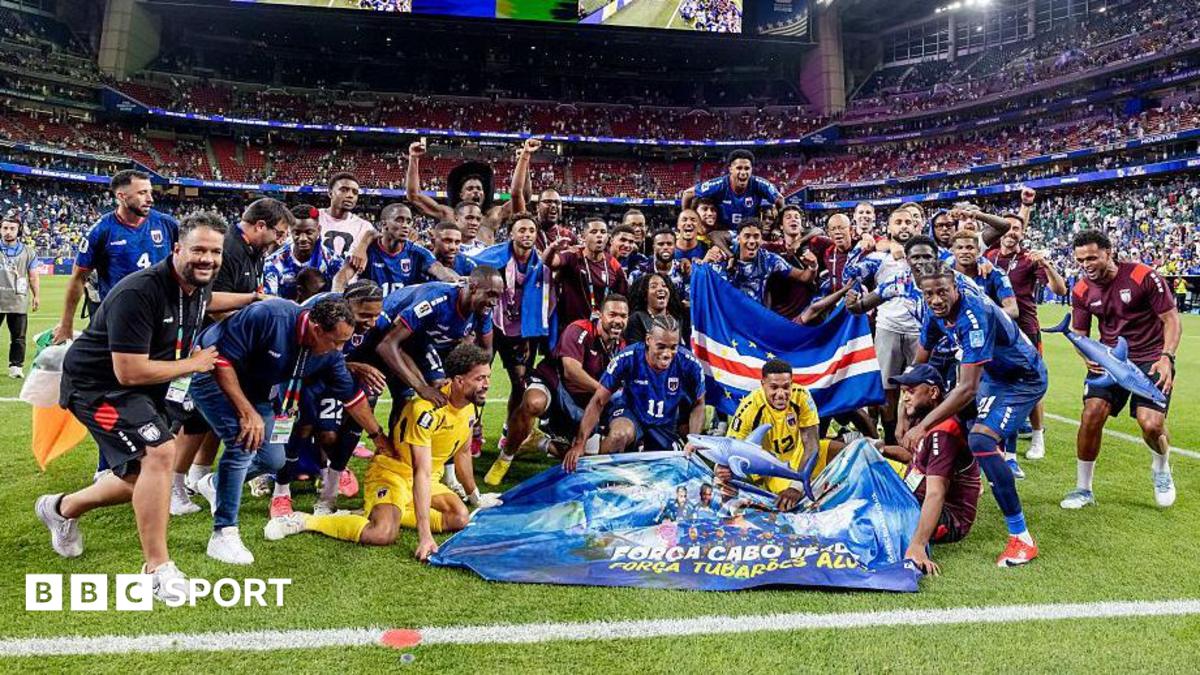
The World Cup’s expanded format was designed to open the door to more nations, more matches and more narratives. BBC Sport’s latest analysis asks the central question now hanging over the tournament: has the new group-stage structure actually improved the competition, or has it simply reduced the sense of jeopardy that once made every result feel decisive?
More teams, more stories, less tension?
According to the BBC Sport framing, the new format has certainly delivered on one promise: it has created fresh storylines and given more teams a platform on football’s biggest stage. That matters for supporters of emerging nations, who now have a better chance of seeing their country involved in the tournament’s defining moments rather than exiting before the wider audience has properly engaged.
But the trade-off is obvious. When the group stage is expanded, the pressure of each individual match can be diluted. In a traditional World Cup setup, a single poor performance could quickly become fatal. That urgency shaped the drama of the tournament and gave the early rounds a knockout-like edge. The BBC’s question is whether the new structure preserves enough of that tension to keep the competition compelling from the first whistle.
What it means for the modern World Cup
For FIFA, the expanded format is part sporting experiment and part commercial evolution. More participating teams naturally means broader global representation, which can strengthen the tournament’s reach and relevance in markets that have long wanted a bigger seat at the table. For fans, though, the emotional calculus is more complicated. Supporters want inclusion, but they also want stakes.
That balance is especially important in a tournament that has always sold itself on drama. The World Cup is at its best when every group game feels like a must-win occasion and when qualification scenarios are simple enough for casual viewers to follow. If the new format creates more dead rubbers or softens the consequences of defeat, then the spectacle risks losing some of its edge even as the number of compelling underdog stories rises.
The BBC Sport piece does not present the issue as settled, and that is the point. The expanded World Cup may be producing fascinating new narratives, but the real test is whether those stories come with enough competitive jeopardy to satisfy purists. For supporters, the answer will likely depend on what they value more: broader access and representation, or the ruthless tension that once defined the group stage.
Source note: This article was prepared using publicly available information from BBC Sport and expanded with editorial context.
Share this content: