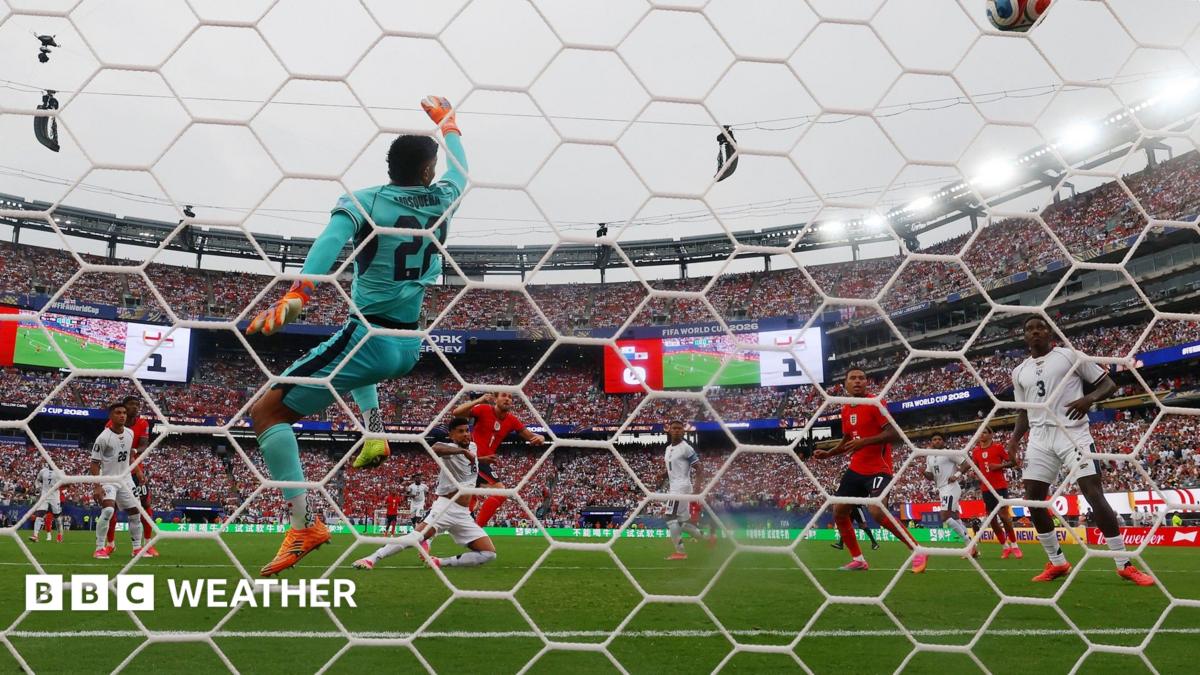
Extreme heat is once again moving into the conversation around World Cup 2026, with the BBC reporting that temperatures are set to rise in parts of the United States and Canada this week as dangerous conditions build. The warning, attributed to the National Weather Service, is a reminder that the tournament’s North American footprint brings not only commercial scale and huge crowds, but also a serious climate challenge for players, officials and supporters.
For football’s global audience, this is not just a weather story. It is a planning issue that could affect kick-off times, recovery windows, hydration protocols and the overall quality of matches. Heat can reduce intensity, slow pressing systems and make high-tempo football harder to sustain. That matters in a World Cup environment, where marginal gains and physical sharpness often decide knockout games.
Why heat matters for tournament football
At elite level, extreme temperatures can alter the way teams approach a match from the first whistle. Coaches may ask for more controlled possession, fewer all-out sprints and more careful game management if conditions are punishing. That can change the rhythm of a contest and place greater emphasis on squad depth, bench impact and tactical discipline.
Supporters, too, are part of the equation. Long periods in direct sun, limited shade and high humidity can turn a matchday into a health concern rather than a celebration. If conditions become severe enough, organisers may be forced to consider adjustments that protect players and fans alike. The BBC’s framing of the issue as a possible safety concern underlines how seriously this must be taken.
What this means for World Cup 2026
World Cup 2026 is already expected to test organisers because of its scale and geography, and heat is one of the clearest sporting variables they will need to manage. The BBC report does not say any specific fixture is at risk, but it does highlight the broader reality that weather could become a decisive factor in how the tournament is staged and experienced.
For teams, that means preparation will need to go beyond tactics and set pieces. Conditioning, squad rotation and medical planning may be just as important as match strategy. For fans, the hope will be that organisers can balance spectacle with safety, ensuring the tournament remains playable and watchable even if temperatures continue to climb.
As the build-up to 2026 continues, this latest heat warning is a timely reminder that World Cup football in North America may be shaped as much by the climate as by the teams themselves.
Source note: This article was prepared using publicly available information from BBC Sport and expanded with editorial context.
Share this content: