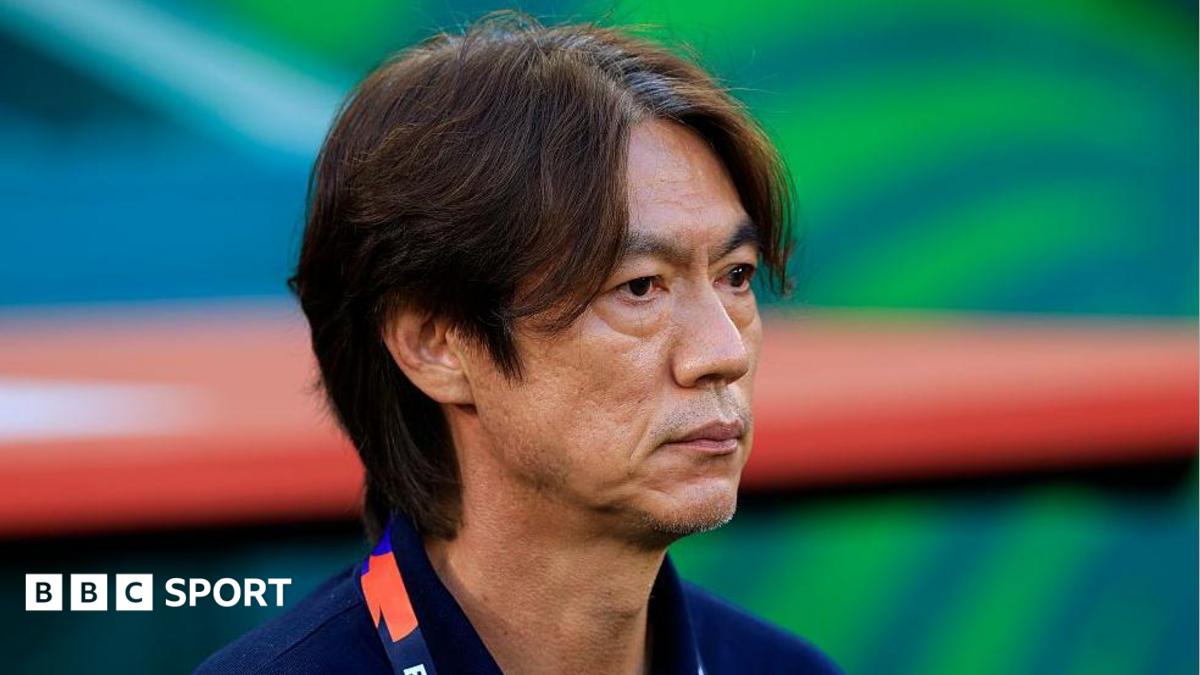
South Korean football has been left confronting a major reset after Hong Myung-bo resigned as head coach on Sunday, only hours after the country’s elimination from the 2026 World Cup was confirmed. The timing underlines how quickly a disappointing campaign can turn into a wider institutional crisis, with the national team now forced to move on without the man appointed to guide it through the next cycle.
Hong’s departure is significant not only because of the result that triggered it, but because it leaves South Korea facing a period of uncertainty at a moment when continuity would normally be essential. World Cup qualification campaigns are built around long-term planning, squad development and tactical consistency. A sudden coaching change at this stage can disrupt all three, especially for a side that will now need to reassess its direction, leadership and identity.
A painful end to the campaign
The immediate issue for supporters is the scale of the setback. Missing out on the 2026 World Cup is more than a single failed objective; it affects the national team’s momentum, public confidence and the broader perception of progress. For a football nation that has grown accustomed to competing on the world stage, elimination brings scrutiny on everything from preparation and selection to game management and player development.
Hong’s resignation statement — “I am genuinely very sorry” — reflects the pressure that follows a failed qualification effort. In international football, coaches often become the first point of accountability when results fall short, even when the causes are more complex. That is especially true in a national-team environment, where there is limited time to implement ideas and even less room to recover from poor results.
What the resignation means for South Korea
The next challenge for South Korea is not simply appointing a replacement, but deciding what kind of football the team wants to play going forward. A new coach will inherit the consequences of this campaign and the expectation that the side must quickly rebuild trust with supporters. That process usually involves balancing short-term stability with longer-term structural changes, particularly if the federation believes the failure was rooted in deeper issues than one tournament cycle.
For players, the change could also bring a fresh start. International squads often respond to a new coach with renewed competition for places and a different tactical emphasis, whether that means a more conservative approach, a higher press or a greater focus on transition play. The exact direction will depend on the next appointment, but the broader message is clear: South Korea now enters a period where every decision will be judged against the disappointment of missing the World Cup.
For supporters, the resignation may offer closure, but it does not solve the underlying problem. The real test will be whether South Korea can use this setback to reset effectively, rather than allowing the fallout to linger into the next cycle. The coming weeks will therefore be crucial, with the national team’s future shape likely to be defined by how quickly and decisively the authorities respond.
Source note: This article was prepared using publicly available information from BBC Sport and expanded with editorial context.
Share this content: