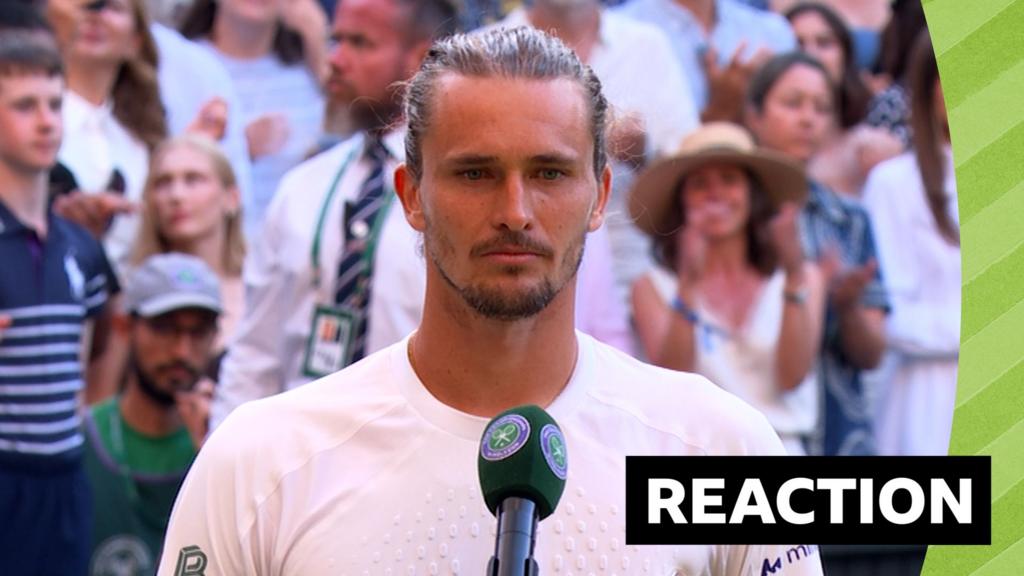
Alexander Zverev’s post-match reflection after defeat to Jannik Sinner at Wimbledon offered a reminder of how much atmosphere can matter in elite tennis. In a sport often framed around individual technique, serve patterns and mental resilience, Zverev’s comments pointed to a different force: the crowd, and the way a major championship can amplify momentum for a player on a deep run.
According to the BBC Sport video item, Zverev said the Wimbledon crowd “played a big part” in helping him reach the final. That is a notable admission from a player who has spent much of his career under scrutiny for how he handles pressure on the biggest stages. At Wimbledon, where the setting and the expectations are as much a part of the event as the tennis itself, crowd energy can become a tactical factor as well as an emotional one.
What Zverev’s comments say about Wimbledon
Wimbledon remains one of the few tournaments where the environment can visibly shape the rhythm of a match. Supporters respond to long rallies, dramatic holds of serve and moments of tension, and that reaction can lift a player who is already building confidence. Zverev’s point suggests that his route to the final was not only about shot-making or physical form, but also about how he fed off the occasion.
For supporters, that matters because it frames a final appearance as something more than a line in the record books. It suggests a run built on interaction with the crowd, on the emotional pressure of Centre Court, and on the sense that Wimbledon can still create a uniquely charged competitive environment. Even in defeat, that kind of experience can be meaningful for a player trying to convert consistency into a title-winning breakthrough.
Why the defeat to Sinner matters
Jannik Sinner’s victory over Zverev underlined the Italian’s growing authority at the top level and added another significant result to his rise in the sport. For Zverev, the loss is another reminder of how narrow the margins are when facing the very best opponents in Grand Slam tennis. Reaching the final is an achievement, but the challenge is turning those runs into trophies.
From a broader perspective, the match also highlights the contrast between experience and momentum. Zverev has long been established among the leading names in men’s tennis, while Sinner’s recent progress has made him one of the most difficult players to contain in major events. That dynamic gives the result wider significance for the rest of the season, especially for players and fans tracking who can consistently challenge at the top.
For Wimbledon followers, Zverev’s remarks add a human layer to the tournament narrative. They show how a home-like atmosphere, even without a home player in the final, can still influence the emotional arc of a championship run. In that sense, the crowd did not just watch Zverev’s journey — it helped define it.
Source note: This article was prepared using publicly available information from BBC Sport and expanded with editorial context.
Share this content: