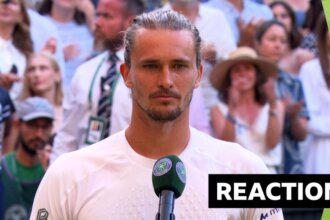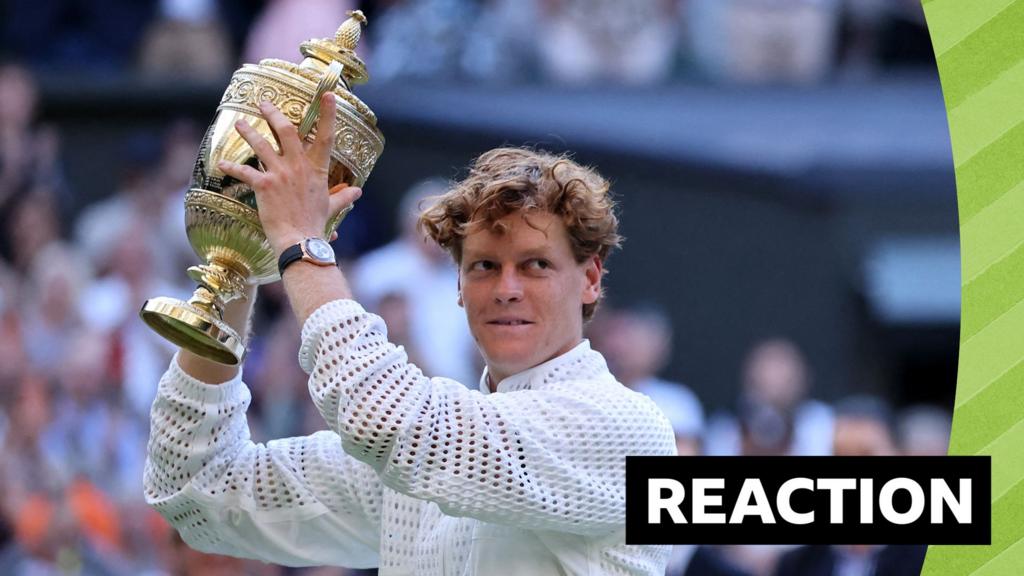
Jannik Sinner’s post-final message was as revealing as the result itself. After defeating Alexander Zverev in four sets at Wimbledon, the Italian did not frame the match as a simple title defence or a routine victory. Instead, he highlighted the level of resistance he faced and underlined how quickly the German remains capable of closing the gap at the top of the men’s game.
Sinner’s warning to the field
Sinner said Zverev can become a Wimbledon champion soon, a remark that carries more weight than standard courtesy after a final. It suggests the world number one sees the German not merely as a finalist, but as a genuine future threat on grass and across the broader ATP landscape. For supporters, that matters because it confirms the current hierarchy in men’s tennis is still under pressure, even when Sinner is winning the biggest matches.
The Italian also said he will need to be “very, very careful” as Zverev challenges his world number one status. That is a notable admission from a player at the top of the rankings. It reflects both respect for Zverev’s consistency and an awareness that the race for supremacy is not settled by one Grand Slam final. In practical terms, it points to a rivalry that could shape the rest of the season, especially if both players continue to meet deep in major tournaments.
What the final means for the rivalry
Wimbledon often acts as a proving ground for the sport’s elite, and this final reinforced that idea. Sinner’s four-set win showed he has the composure and shot tolerance to handle one of the tour’s biggest servers and most physical competitors. Zverev, meanwhile, left London with evidence that he remains close enough to the top to force the issue in the sport’s biggest matches.
For fans, the significance goes beyond one trophy. A final like this can define the tone of a season: one player protecting a lead, the other trying to break through. Sinner’s comments suggest he expects Zverev to keep coming, which is exactly what makes the rivalry compelling. If Zverev can translate this level into more consistent runs at the majors, the pressure on Sinner’s ranking position will only increase.
There is also a tactical layer to the matchup. Grass rewards first-strike tennis, efficient serving and the ability to absorb pressure in short bursts. Sinner’s ability to win in four sets indicates he managed those moments better on the day, but Zverev’s presence in the final shows his game remains suited to the surface when he is in rhythm. That combination makes future meetings highly relevant for both the rankings and the Grand Slam picture.
For now, Sinner leaves Wimbledon with the title and the status that comes with it. But his own words make clear that Zverev is not far behind, and that the battle for the top of men’s tennis is likely to stay live well beyond this final.
Source note: This article was prepared using publicly available information from BBC Sport and expanded with editorial context.
Share this content: