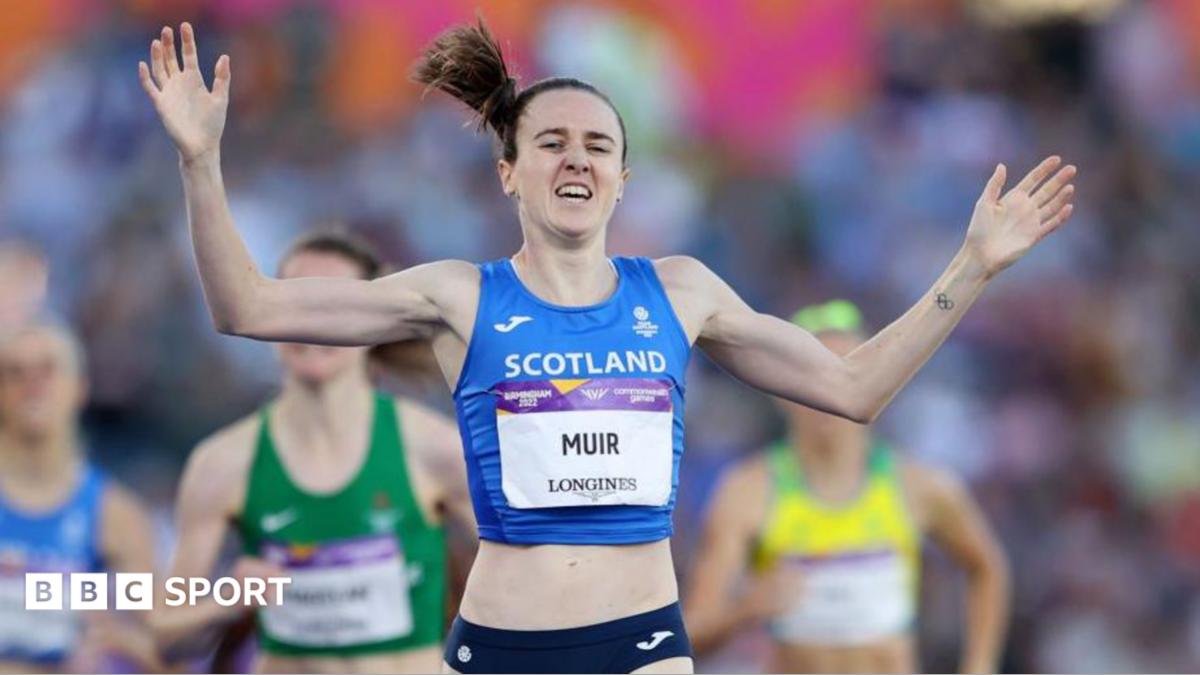
Laura Muir’s decision to target the 5,000m at the Glasgow Commonwealth Games gives Scotland one of its biggest names a clear championship focus on home soil. For a runner who has built her reputation across middle-distance events, the move underlines both ambition and practicality: the 5,000m is a race that rewards strength, race intelligence and the ability to absorb the pressure of a major final.
With the Games returning to Glasgow, Muir’s presence is likely to carry significance well beyond the track. Home Commonwealth events tend to sharpen public attention, and for Scottish supporters this is the kind of announcement that immediately raises expectations. Muir has long been one of the country’s most recognisable elite athletes, and her stated aim of being “as strong as possible” for the major events leading up to the 2028 Olympics suggests this is part of a longer performance plan rather than a one-off appearance.
Why the 5,000m matters for Muir
The 5,000m can be a demanding test for athletes who have traditionally excelled over shorter distances, because it asks for a different balance of endurance, positioning and finishing speed. That makes it a revealing choice for Muir and a useful indicator of where her competitive priorities sit as she maps out the next Olympic cycle. For supporters, it also offers a more tactical and potentially dramatic race than a pure front-running display, with pacing, surges and late-race decision-making likely to shape the outcome.
From a broader team perspective, Muir’s event choice also reflects the value of experience in multi-event championships. Athletes who can adapt to the rhythm of a major Games often become central to a host nation’s medal hopes, not only because of their ability but because they provide a focal point for the squad and the crowd. Glasgow will expect exactly that kind of presence from Muir.
Ben Sandilands leads the para-athlete contingent
The announcement also highlights the strength of the para-athlete line-up, with Paralympic champion and world record holder Ben Sandilands leading the contingent. That gives the Games an added layer of competitive depth and reinforces the importance of para-sport within the wider event structure. For fans, it is a reminder that the Commonwealth Games remain a platform where established champions and emerging names can share the same stage.
While the source does not provide a full team list or detailed event schedule, the headline names alone point to a Games with strong Scottish interest and meaningful sporting context. Muir’s 5,000m entry is the clearest signal yet that Glasgow will be used as a stepping stone in a bigger journey toward 2028, while Sandilands’ leadership of the para-athlete group adds further prestige to the home event.
For supporters, the takeaway is straightforward: Glasgow is set to offer a high-profile stage for athletes with genuine medal credentials, and Muir’s decision ensures one of Scotland’s most bankable stars will be at the centre of it.
Source note: This article was prepared using publicly available information from BBC Sport and expanded with editorial context.
Share this content: