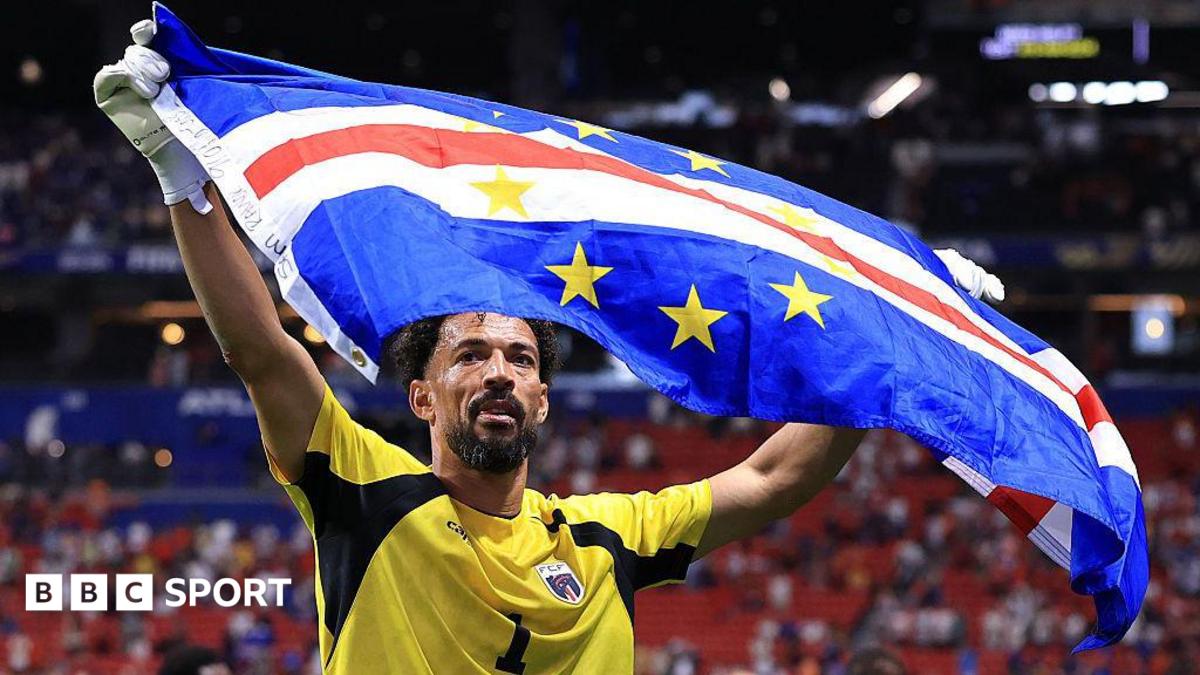
The expanded 48-team World Cup is already changing the tone of the tournament. Rather than a predictable procession for the traditional heavyweights, the competition has produced a series of competitive games in which lower-ranked sides have shown they can stay organised, frustrate stronger opponents and, in some cases, genuinely threaten them.
That matters because the World Cup’s appeal has always rested on more than elite quality alone. Supporters want drama, but they also want the sense that a smaller nation can disrupt the hierarchy. When underdogs perform well on the biggest stage, it sharpens the tournament’s narrative and gives neutral fans more reasons to stay invested beyond the obvious favourites.
Why the format is helping underdogs compete
A larger field naturally creates more opportunities for nations that would previously have been outside the bracket. But the effect is not just about participation. More teams means more varied tactical approaches, more unfamiliar opponents and more chances for disciplined sides to turn matches into tests of patience rather than open contests.
For underdogs, that can be an advantage. Teams with less individual star power often rely on compact defensive structure, set-piece efficiency and collective work rate. Against superior opposition, those traits become even more valuable. If a favourite cannot break the first line of pressure quickly, the underdog gains confidence and the match can become tense, narrow and unpredictable.
The BBC’s framing of the tournament suggests that this edition has already delivered several such match-ups, with lower-ranked teams producing impressive performances against the world’s top sides. That is significant not only for the results themselves, but for what they say about the competitive balance of the event.
What it means for supporters and the tournament narrative
For supporters of underdog nations, these performances are more than isolated good days. They are evidence that preparation, structure and belief can narrow the gap at major tournaments. Even when a team does not win, a strong showing against a heavyweight can reshape expectations for the rest of the campaign and strengthen the bond between players and fans.
For the tournament as a whole, it also creates a healthier competitive story. World Cups are at their best when the favourites are challenged early and often, and when the route to the latter stages feels earned rather than assumed. If the expanded format continues to produce this kind of balance, it may help justify the broader field by delivering more meaningful contests.
There is still a long way to go, and the strongest teams will eventually have more time to impose their quality. But the early evidence from this World Cup is clear enough: the underdogs are not simply making up the numbers. They are shaping the conversation.
Source note: This article was prepared using publicly available information from BBC Sport and expanded with editorial context.
Share this content: