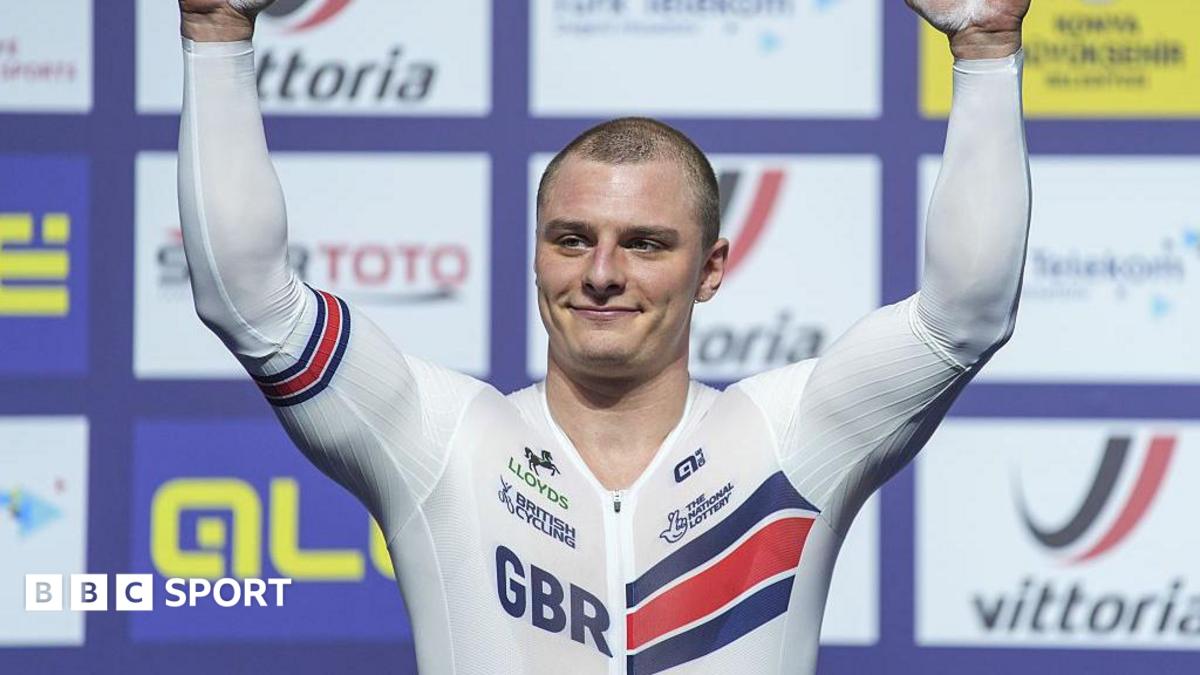
Matt Richardson’s move from Australia to Great Britain remains one of the more talked-about nationality switches in recent track cycling, but the double Olympic silver medallist says the noise no longer matters as he turns his attention to performance. For supporters on both sides, the story is bigger than one rider changing colours: it speaks to the increasingly global, high-pressure world of elite cycling, where selection decisions, federation politics and medal ambitions often collide.
Richardson is now preparing to defend the Commonwealth Games titles he won while representing Australia four years ago, and his comments suggest a rider focused less on the debate and more on the medal table. That matters because the sprint events are among the most tactical and unforgiving disciplines in the sport. Margins are tiny, race craft is crucial and a rider’s programme can shape the entire campaign.
Richardson’s event plan points to a busy campaign
Richardson said his current plan is to compete in the team sprint, keirin and sprint, with the kilo still undecided. If he does line up in all four, he says the aim is straightforward: to win everything. That is a bold target, but it reflects the confidence of a rider who has already proven himself on the biggest stages and now arrives with the expectation that comes with being one of the leading names in the field.
The team sprint would test his power and coordination in a format where timing and changeovers are decisive. The keirin, by contrast, is a race of positioning, patience and late acceleration, while the individual sprint often becomes a psychological duel as much as a physical one. Adding the kilo would increase the workload further, but it would also underline how central Richardson could be to Great Britain’s medal hopes.
What the switch means for Team GB and Australia
For Great Britain, Richardson’s arrival strengthens an already serious sprint programme and adds another proven medal contender to a squad that will be judged on results. For Australia, the switch is more emotionally charged. Losing a rider of Richardson’s calibre is never insignificant, especially when he is returning to defend titles won under the green and gold.
That tension is part of why his statement that he has “moved on” carries weight. It suggests he is trying to keep the focus on racing rather than the reaction to his decision. In a sport where confidence and clarity can decide outcomes, that may be as important as any physical advantage.
Supporters will now watch to see whether Richardson can turn the controversy into momentum. If he delivers across multiple events, the switch will be framed not just as a headline-grabbing move, but as a strategic step in a career still operating at the top level.
Source note: This article was prepared using publicly available information from BBC Sport and expanded with editorial context.
Share this content: