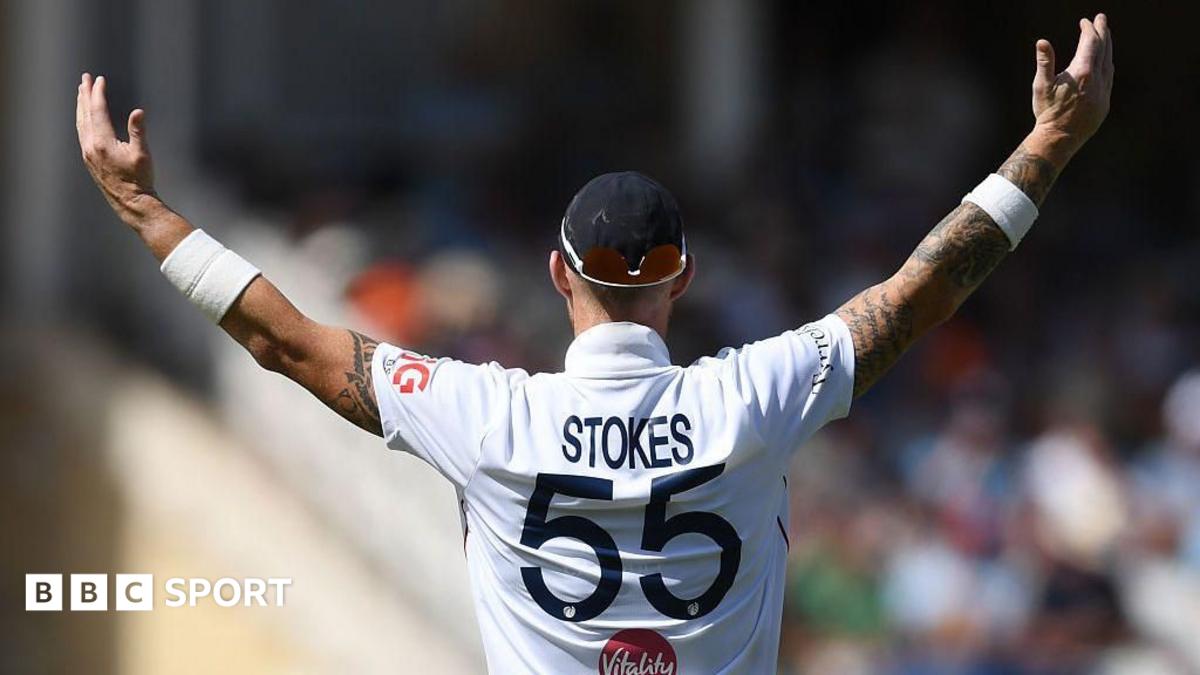
Ben Stokes has long been more than England’s captain or one of their most valuable all-rounders. According to Michael Vaughan, the bigger challenge for England is not only replacing the runs, wickets and match-winning moments Stokes has delivered, but also the mentality that has helped define the side’s most successful recent periods.
That is the central issue in Vaughan’s assessment: Stokes’ influence has never been limited to scorecards. For a team built around aggressive intent and a willingness to chase results, his presence has often set the tone in pressure moments. When a player becomes the emotional and tactical reference point for a dressing room, his absence can alter more than selection plans. It can change the way a team believes it can win.
The leadership gap matters as much as the cricket
Vaughan’s comments underline a familiar truth in elite sport: the hardest players to replace are often the ones who shape standards as much as outcomes. Stokes has been central to England’s identity because he combines authority, competitiveness and the ability to influence games in multiple disciplines. That makes him unusually difficult to cover with a like-for-like successor.
For supporters, that creates a clear concern. England can recruit another batter, another bowler or another all-round option, but replicating Stokes’ winning persona is a different task. It is the kind of intangible quality that only becomes fully visible when it is missing: the calm in a chase, the belief under pressure, and the sense that a match is never beyond reach.
What it means for England moving forward
The wider implication is that England may need to evolve rather than simply replace. Teams that lean heavily on a single talisman often have to redistribute responsibility when that figure steps away. That can be healthy in the long term, but it usually comes with a short-term adjustment period, especially if the departing player has also been a tactical leader on the field.
Vaughan’s framing also reinforces how highly Stokes is regarded within English cricket. Calling him one of England’s greatest players is not just praise for his statistics; it is recognition of his impact on results, standards and the culture around the team. For England, the next phase is about preserving that edge while finding new voices to carry it forward.
For now, the message from Vaughan is straightforward: England are not merely losing a cricketer. They are potentially losing a competitive identity that has helped define them in big moments.
Source note: This article was prepared using publicly available information from BBC Sport and expanded with editorial context.
Share this content: