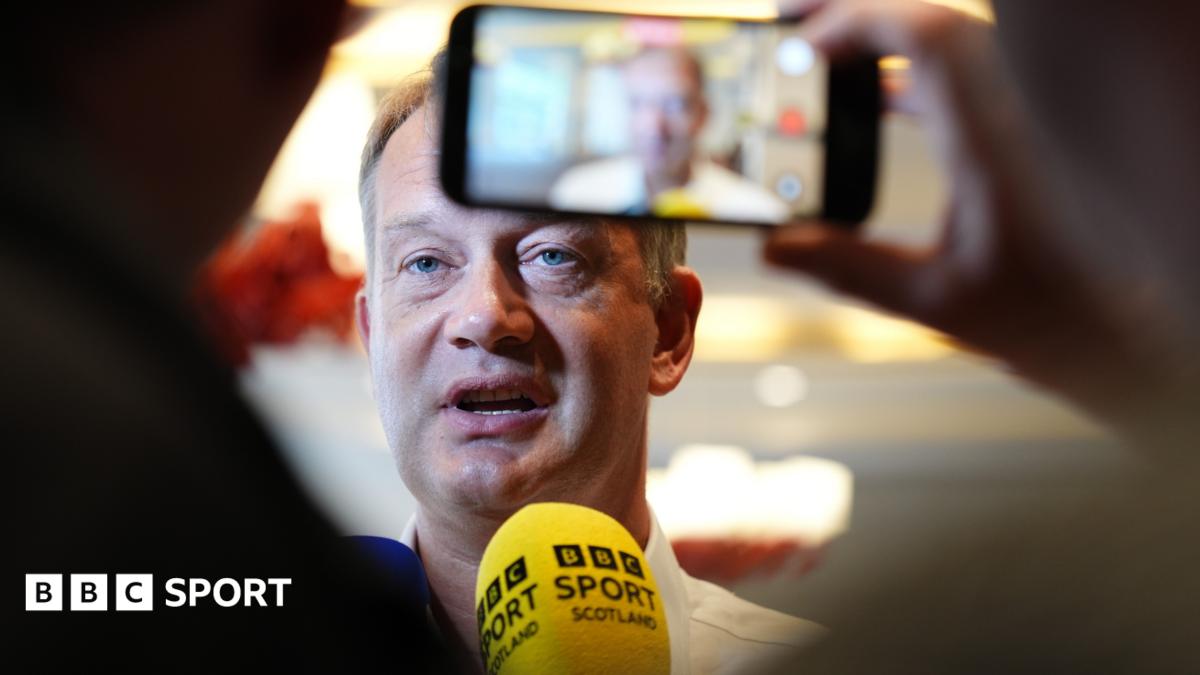
The Scottish FA has signalled that it will cast the net widely in the search for Steve Clarke’s successor, with chief executive Ian Maxwell making clear that the governing body is not limiting itself to a single type of candidate. His message was straightforward: the process begins now, and every option remains on the table.
For Scotland supporters, that matters because the next appointment will shape the national team’s direction well beyond the immediate transition. Clarke’s tenure has defined a period in which Scotland have been able to compete with greater structure and consistency, so the replacement will not simply be a new face in the dugout. It will be a decision about continuity, evolution and whether the team keeps the same tactical identity or moves toward something different.
A search that could define Scotland’s next cycle
When a national team changes head coach, the debate is rarely just about names. It is about profile. Does the Scottish FA want an experienced international manager, someone already steeped in the demands of tournament qualification, or a coach with a more progressive club background who can refresh the team’s style? Maxwell’s comments suggest the governing body is prepared to explore the full range of possibilities before narrowing the field.
That openness is significant because Scotland’s recent progress has raised expectations. Supporters now want more than stability; they want a pathway that can translate into qualification success and stronger performances on the biggest stage. The next head coach will inherit not only a squad with established senior figures, but also the pressure that comes with a fanbase increasingly used to believing Scotland can compete.
What the decision means for supporters and the squad
Any managerial change at international level carries a different rhythm from club football. There is less time on the training ground, fewer opportunities to reshape habits, and a heavier reliance on clarity of selection and game plan. That makes the Scottish FA’s choice especially important. The successor must be able to work quickly, communicate clearly and maintain momentum through qualification windows.
For players, the uncertainty can be both a challenge and an opportunity. A new coach often resets the pecking order, rewards form and opens the door for those who may have been on the edge of the squad. For supporters, the hope will be that the transition is handled decisively and with a clear footballing logic rather than a rushed appointment made to satisfy the calendar.
With the process now underway, the Scottish FA has effectively entered a defining phase for the national side. The next appointment will be judged not only on results, but on whether it preserves the progress Scotland have made while giving the team a credible route to the World Cup conversation and beyond.
Source note: This article was prepared using publicly available information from BBC Sport and expanded with editorial context.
Share this content: