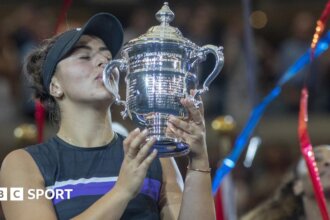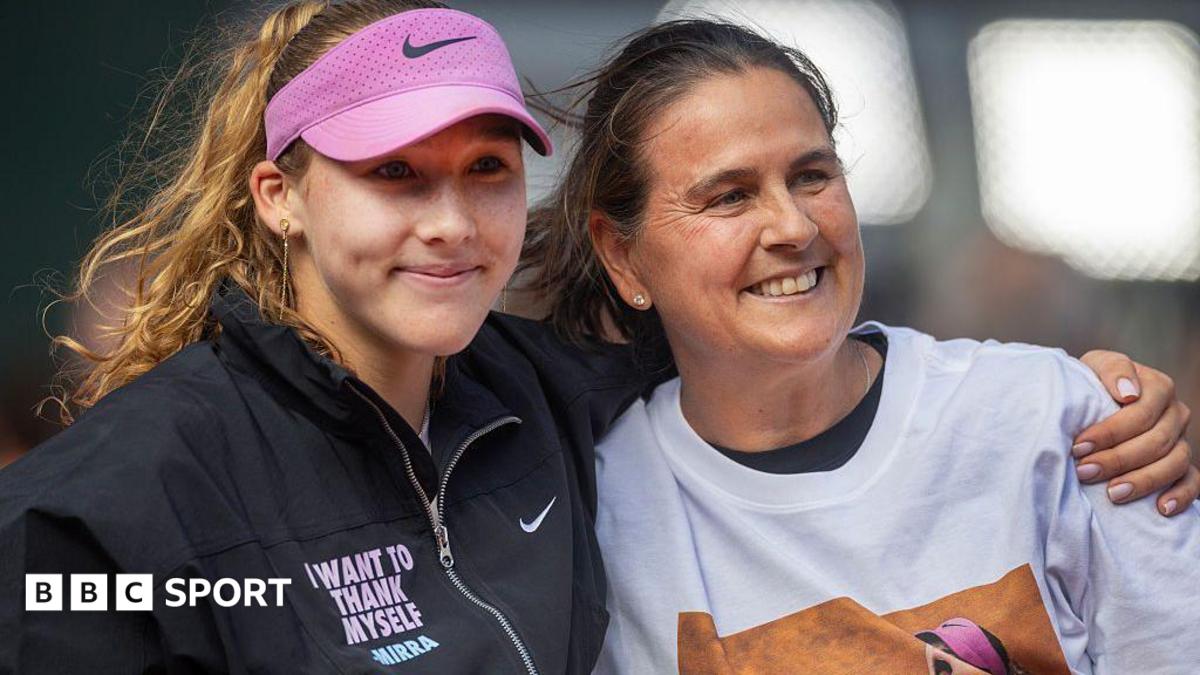
The coaching box is one of the most visible places in tennis, and that visibility is part of why the conversation around female coaches matters. BBC Sport’s feature on the rise of women in coaching looks beyond simple representation and into the realities that still shape who gets trusted, hired and heard in elite tennis.
For a sport built on individual performance but heavily influenced by the people in a player’s corner, coaching is not just a support role. It can affect match preparation, tactical adjustments, emotional control and long-term development. That makes the gender imbalance in coaching more than a symbolic issue. It influences how the sport presents authority, expertise and leadership to players and supporters alike.
Why the coaching box matters
In tennis, the coach is often seen in one of the most scrutinised spaces in sport. Every reaction is visible, every instruction is judged and every partnership is exposed to public debate. For female coaches, that spotlight can amplify both progress and prejudice. The BBC feature points to the challenge of battling egos and stereotypes, which remains central to the wider discussion about access and acceptance in the game.
That context is important because tennis has long been a sport where tradition carries real weight. Coaching pathways, especially at the top level, have historically been shaped by established networks. When those networks are narrow, change tends to be slow. The rise of female coaches therefore reflects not only individual achievement but also a gradual shift in how the sport defines credibility.
What it means for players and the sport
For players, a broader coaching pool can only be a positive. Different perspectives can improve communication, tactical flexibility and player development. It also gives younger athletes more examples of what leadership in tennis can look like. If the sport wants to keep modernising, it needs coaching environments that reward knowledge and results rather than stereotypes.
For supporters, this is part of a wider push to make tennis feel more open and representative. The sport has made progress in visibility and professionalism, but coaching remains one of the areas where change can be harder to see. Features like this matter because they highlight the people behind the scenes who help shape results on court, even if they rarely receive the same attention as the players.
BBC Sport’s article arrives at a time when conversations about equality in sport are increasingly tied to practical outcomes rather than slogans. In tennis, that means asking who gets opportunities, who is trusted in elite environments and how the next generation of coaches is being developed. The rise of female coaches is not just a story about breaking barriers; it is also about improving the sport’s future by widening the range of voices in it.
Source note: This article was prepared using publicly available information from BBC Sport and expanded with editorial context.
Share this content: