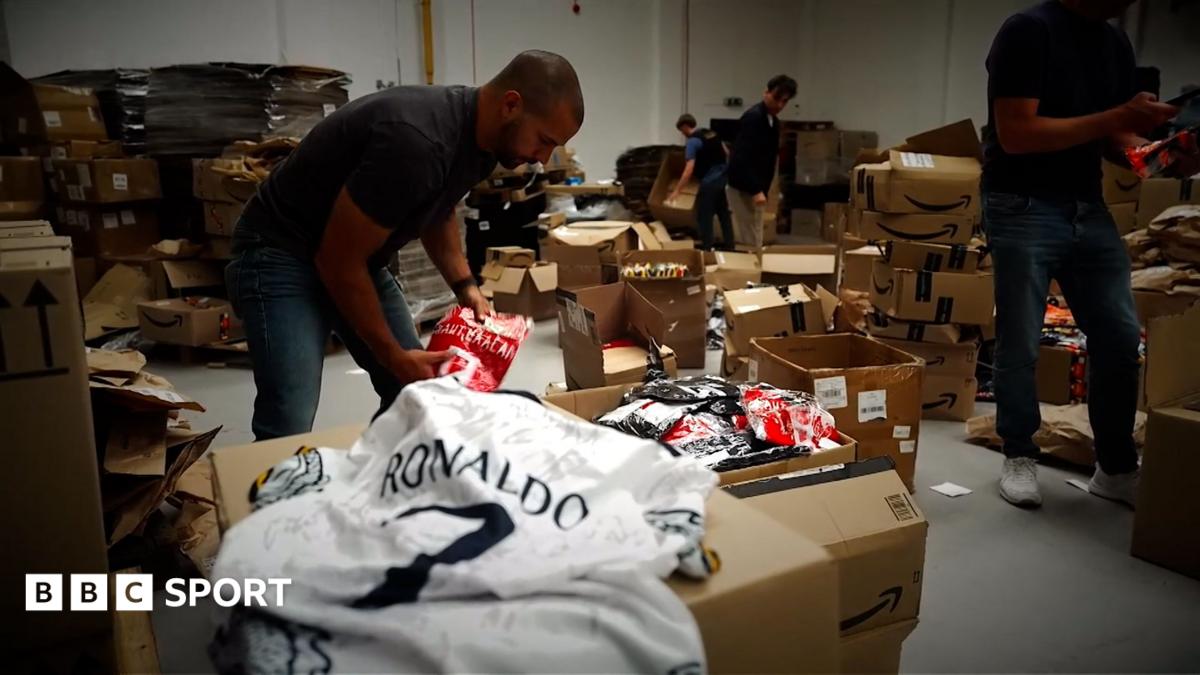
Counterfeit football shirts worth more than £18m were seized across the UK during the World Cup, underlining how the tournament’s commercial pull also creates a major black market for fake merchandise. While the headline figure is striking, the wider issue goes beyond lost sales for clubs and manufacturers: police and trading standards teams say counterfeit goods can sit inside broader criminal supply chains, which is why the problem is treated as more than a simple consumer scam.
The BBC report points to safety concerns as a key reason for the action. That matters because fake shirts are not just a branding issue. Supporters buying unofficial kits may receive products that fail basic standards on materials, dyes or manufacturing quality, and the money spent can be difficult to trace once it enters the illicit market. The warning attached to the story is blunt: buyers of fake shirts often do not know what their money is funding.
Why counterfeit kits remain a problem for football
Football shirts are among the most visible and profitable pieces of fan merchandise, especially during a World Cup when demand spikes and supporters want to wear national colours quickly. That creates an opening for counterfeit sellers to exploit urgency, price sensitivity and online marketplaces. For legitimate clubs and brands, the damage is twofold: direct revenue is lost, and the value of official licensing is diluted when fake versions flood the market.
For supporters, the issue is also about trust. A cheap shirt may look close enough to the real thing in a social media advert or street stall, but the purchase can carry hidden risks. The BBC’s reporting highlights the concern that counterfeit trade can be tied to unsafe production and wider criminal activity, which is why enforcement agencies continue to target it during major tournaments.
What the seizures mean for fans and the market
The scale of the seizures suggests the counterfeit market remains highly organised and responsive to football’s biggest events. World Cups generate global attention, emotional buying and a surge in shirt sales, making them a prime target for fake goods. That leaves fans with a practical choice: pay more for official merchandise, or risk supporting a market that authorities say may be linked to unsafe and illegal activity.
For clubs, federations and kit manufacturers, the message is familiar but important. Enforcement can disrupt supply, but it does not remove demand. As long as football shirts remain symbols of identity, success and belonging, counterfeit sellers will keep trying to profit from that attachment. The challenge for the sport is to keep making official merchandise accessible enough that supporters are less tempted by fakes, while continuing to back police action against the criminal networks behind them.
Source note: This article was prepared using publicly available information from BBC Sport and expanded with editorial context.
Share this content: