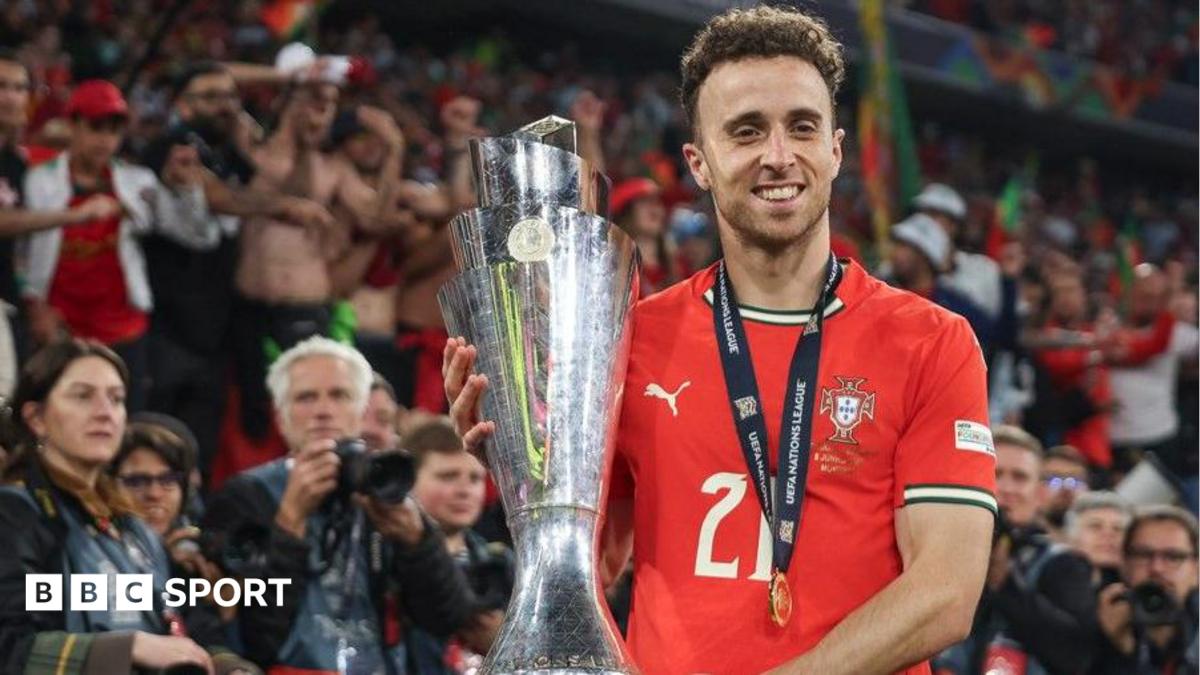
Portugal’s World Cup story has taken on a deeply personal edge, with Ruben Neves speaking openly about the enduring presence of Diogo Jota in the squad’s mindset. The BBC report centres on a simple but powerful line from Neves — “I still talk to him” — and that sentiment gives the wider context of Portugal’s campaign a human weight that goes beyond tactics and tournament pressure.
For supporters, the significance is clear. International football is often framed around systems, selection calls and knockout margins, but moments like this remind us that squads are built on relationships as much as results. Neves and Jota shared time at Porto, Wolves and with Portugal, so the emotional connection is not a ceremonial tribute; it is the reflection of a long footballing partnership that has shaped both players’ careers.
A squad playing with memory as motivation
Portugal’s desire to “win World Cup for him” adds a layer of motivation that can matter in a tournament setting. Teams often search for emotional fuel when the margins tighten, and a shared purpose can help maintain focus through difficult phases of a competition. That does not guarantee performance, but it can sharpen the collective mentality that coaches value when knockout football becomes unforgiving.
From a football perspective, this kind of narrative can also influence how a squad carries itself. When a group speaks about a former team-mate in this way, it usually signals a dressing room with strong internal bonds and a clear sense of identity. For Portugal, that matters because elite international sides are frequently judged not only by talent, but by whether they can turn talent into cohesion under pressure.
Why the Jota connection matters beyond sentiment
Jota’s connection to Porto, Wolves and Portugal gives the story a club-to-country thread that supporters across different fanbases will recognise. It is rare for a player to leave such a broad imprint across multiple teams, and that is part of why Neves’ comments resonate. They speak to a football relationship that has survived changing clubs, changing competitions and the passage of time.
For Portugal fans, the message is that the campaign is being carried with more than just tactical ambition. It is also being driven by memory, loyalty and the desire to honour someone who clearly remains important to the group. In a World Cup environment, where every match can swing on concentration and emotional control, that sense of purpose can be a meaningful edge.
BBC’s report does not add a layer of transfer speculation or club-market intrigue, but it does offer something equally relevant to football coverage: a reminder that elite teams are shaped by personal history. Portugal’s push is now tied to Jota’s memory, and that gives the campaign a story supporters can connect with on and off the pitch.
Source note: This article was prepared using publicly available information from BBC Sport and expanded with editorial context.
Share this content: