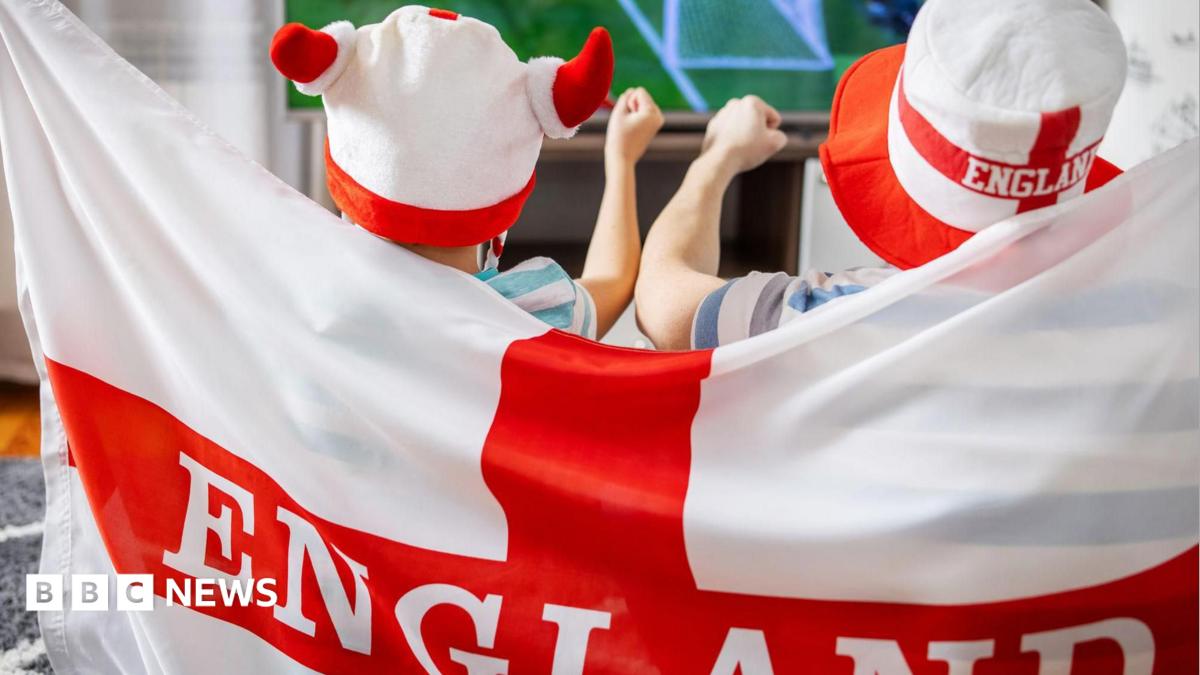
Thomas Tuchel has made a light-hearted but pointed appeal to young England supporters ahead of a World Cup match scheduled for 1am, telling them in effect to make the occasion a priority. The BBC report frames the comment around a wider debate: whether children should really be encouraged to stay up through the night for a major tournament fixture, or whether the demands of school and routine should come first.
For England fans, the message is easy to understand. World Cup matches are rare, emotionally charged events, and the chance to watch the national team live can feel bigger than the inconvenience of a late kick-off. But the timing also creates a practical problem for families. A 1am start is not just inconvenient; it can affect sleep, school performance and the way younger supporters experience the tournament the next day.
Why the timing matters for supporters
Late kick-offs are one of the recurring frustrations of global tournaments staged across different time zones. For England, they can turn a marquee match into a test of commitment for supporters in the UK, especially younger fans who may be torn between wanting to be part of the moment and needing to get up for school. Tuchel’s comment reflects the emotional pull of international football, but it also highlights how tournament scheduling can shape the fan experience as much as the football itself.
From a supporter perspective, the appeal is obvious: a World Cup game can become a shared family event, even if it means a disrupted night. For parents, though, the decision is less simple. The BBC’s framing suggests the question is not only about football, but about whether the excitement of a national-team occasion justifies bending normal routines.
What Tuchel’s message says about England’s World Cup mood
Tuchel’s stance suggests an attempt to build anticipation and keep the tournament feeling accessible, especially for younger fans who may remember these matches for years. That matters because international football is often as much about memory and identity as results. When England play at unusual hours, the atmosphere around the game can become part of the story: the early-morning alarm, the family sofa, the school excuse note, and the sense of being awake when most of the country is asleep.
Even without additional match detail in the source, the broader implication is clear. England’s World Cup schedule is already influencing how supporters prepare, and Tuchel’s comment is a reminder that managers often speak not only to players, but to the fanbase that surrounds them. For young supporters, this is the kind of fixture that can deepen a lifelong connection to the national team — provided they are willing to pay the price in lost sleep.
Source note: This article was prepared using publicly available information from BBC Sport and expanded with editorial context.
Share this content: