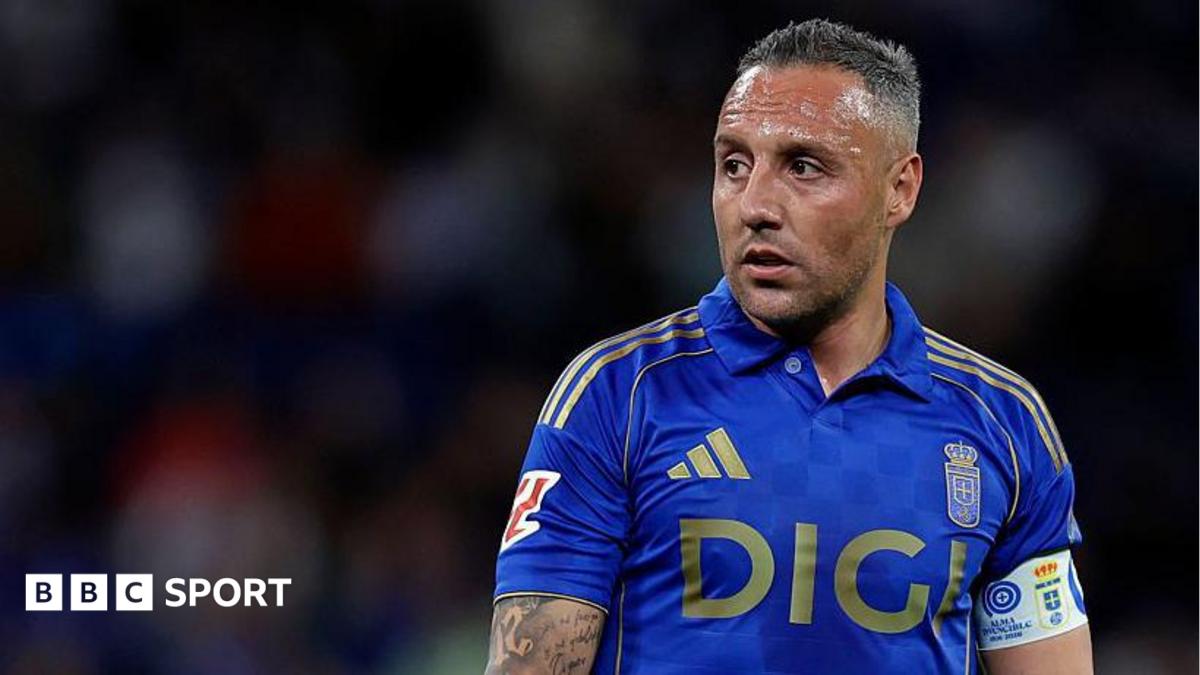
Santi Cazorla has retired from playing at the age of 41, closing the book on a career that combined technical quality, intelligence in possession and resilience through serious injury setbacks. For Arsenal supporters, his name still carries a particular weight: he was one of the most admired midfielders of the club’s modern era, a player whose influence often went beyond goals and assists.
The BBC report confirms the former Arsenal midfielder’s retirement, and while the source is brief, the significance is clear. Cazorla’s career mattered because he represented a type of footballer increasingly rare at the highest level: a creative midfielder who could dictate rhythm, escape pressure in tight spaces and connect phases of play with calmness. That profile made him valuable in the Premier League, where tempo and physical intensity can quickly expose players who are less secure on the ball.
Why Cazorla mattered at Arsenal
At Arsenal, Cazorla became a trusted technical reference point in midfield. His ability to operate between the lines and keep attacks moving gave the team a different kind of control, especially in matches where possession had to be turned into sustained pressure rather than rushed forward play. For a club long associated with expressive football, he fit the identity naturally.
His retirement also invites reflection on how supporters remember players beyond trophies. Cazorla’s reputation was shaped not only by his quality but by the way he played through difficult periods and still retained the admiration of fans. In modern football, where careers are often judged narrowly by numbers, his legacy is a reminder that influence can be measured in touch, balance and the confidence a midfielder gives to everyone around him.
What the retirement means now
For Arsenal fans, the news is less about a current squad issue and more about the end of an era for a player who remains part of the club’s recent history. Retirements like this often prompt renewed appreciation for footballers whose best work came before the age of constant social media clips and statistical over-analysis. Cazorla’s style was easy to recognise and difficult to replace.
From a broader football perspective, his exit from the game underlines how much the sport has changed since his peak years. Midfielders are now expected to cover more ground, press more aggressively and contribute in multiple phases. Cazorla’s career showed that there is still room for artistry, but also that such players must be protected and used intelligently to maximise their strengths.
BBC Sport’s report is short, but the story itself is substantial: one of the most elegant midfielders of his generation has stepped away from playing. For supporters, especially those who watched him at Arsenal, it is a moment to revisit a career defined by craft, composure and a lasting footballing identity.
Source note: This article was prepared using publicly available information from BBC Sport and expanded with editorial context.
Share this content: