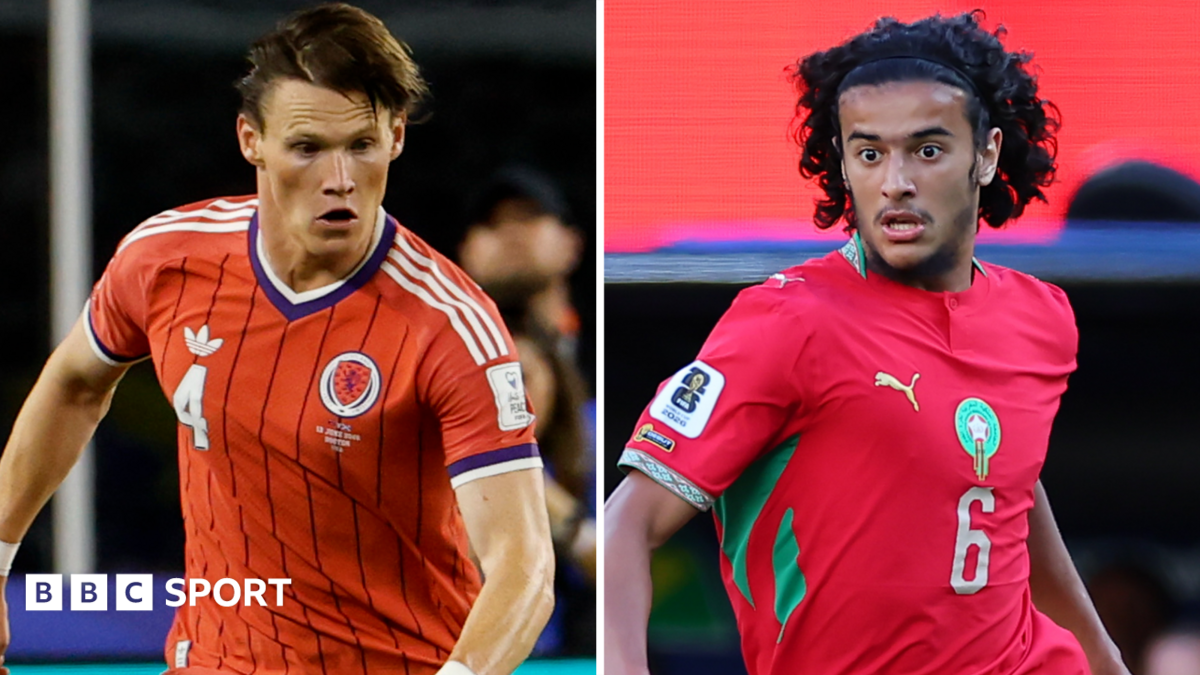
Scotland’s meeting with Morocco is being framed as a test of nerve, structure and leadership as much as a simple football match. After the emotional high of the Haiti game in Boston, the next challenge is different in tone but just as significant: Morocco are described as a dynamic side, and that usually means Scotland will need more than enthusiasm to stay competitive.
The BBC’s framing is important because it points to a familiar tournament truth. When a team is not the most naturally fluid or explosive in possession, the burden often falls on its established figures to steady the game, manage pressure and make the decisive moments count. For Scotland, that means the players who carry the side’s identity have to be present in the biggest phases of the contest, not just in the build-up to it.
Why Scotland’s leaders matter here
Scotland’s recent emotional win over Haiti matters because it shows the team can handle a high-stakes occasion. But a game against Morocco is likely to ask different questions. Against a more dynamic opponent, Scotland may need to be compact without the ball, disciplined in transition and efficient when chances arrive. That is where experience and authority become vital.
Supporters will recognise the pattern: in tournament football, momentum can shift quickly, and teams that survive the first wave of pressure often give themselves a route into the match. Scotland’s “totems”, as the BBC describes them, are the players expected to provide that stability. If they can set the tempo, win second balls and keep the team connected, Scotland can make the game uncomfortable for Morocco.
What the Morocco challenge means
Morocco’s reputation as a dynamic side suggests pace, movement and the ability to stretch opponents. That creates a tactical challenge for Scotland, who may need to be sharper in their defensive spacing and more selective in how they commit forward. The balance between caution and ambition will be crucial.
For supporters, the significance is clear. This is not only about one result; it is about whether Scotland can translate the emotion of a landmark occasion into repeatable tournament performance. If the team’s key figures rise to the moment again, the Haiti victory could become more than a one-off celebration in Boston. It could be the foundation for a deeper run of belief.
In that sense, the Morocco match is about identity as much as tactics. Scotland have already shown they can create a night to remember. The next step is proving they can do it again when the opponent is faster, more fluid and perhaps more unforgiving.
Source note: This article was prepared using publicly available information from BBC Sport and expanded with editorial context.
Share this content: