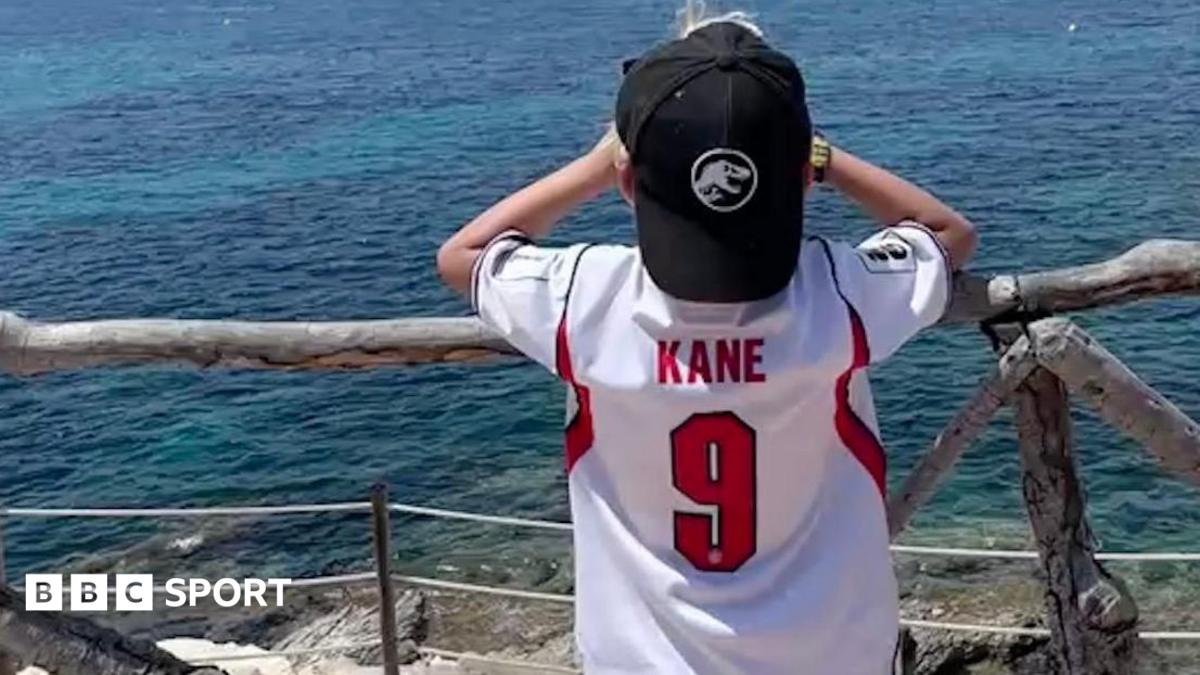
The World Cup is usually sold as the biggest stage in football, but this BBC feature approaches it from a more personal angle: what happens when the tournament you once experienced as a child becomes the first one you share with your own child. That shift gives the competition a different emotional weight. It is no longer only about results, brackets and star names; it becomes about memory, continuity and the way football is passed from one generation to the next.
For supporters, that matters because the World Cup has always been more than a sporting event. It is a marker of time. People remember the summers attached to their first tournaments, the players they thought would never age, and the sense that football could feel larger than life. The article taps into that feeling and shows how the same tournament can mean something entirely new when viewed alongside a child who is discovering it for the first time.
Why the World Cup feels different with a child
The central idea is simple but powerful: children experience football without the baggage adults carry. They are not thinking about past disappointments, tactical trends or the commercial noise around the game. They are reacting to colour, noise, drama and the scale of the occasion. For parents, that can be a reminder of what made them fall in love with football in the first place.
That perspective also has a wider footballing relevance. Major tournaments often try to capture new audiences, but the most durable connection is usually emotional rather than promotional. A child’s first World Cup can become the moment they attach themselves to a team, a player or even the sport itself. For clubs and national teams alike, those memories can last far longer than a single result.
What it means for supporters
For long-time fans, the article offers a gentle reminder that football is at its best when it creates shared experiences. The World Cup can be exhausting, chaotic and over-analysed, but it still has the power to bring families together around a screen, a fixture list and a sense of anticipation. That is part of why the tournament remains so culturally important.
There is also an editorial truth here: nostalgia is not just about looking back. It is about recognising how the game continues to renew itself. Every new generation arrives with fresh eyes, and every parent watching alongside a child gets to see football again in a more innocent form. In that sense, the article is less about one tournament than about the way the sport keeps rebuilding its own meaning.
For supporters, that is a valuable reminder. The World Cup is not only a competition to be judged. It is also a memory being made in real time.
Source note: This article was prepared using publicly available information from BBC Sport and expanded with editorial context.
Share this content: