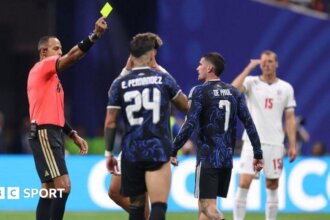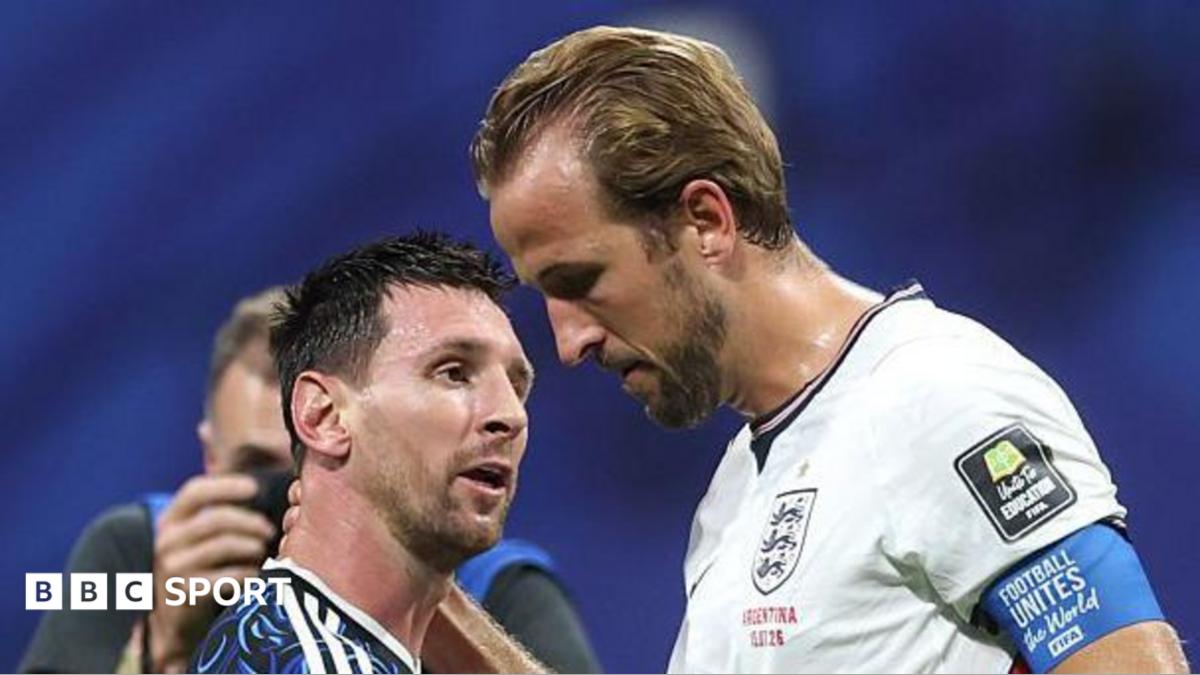
Donald Trump has unexpectedly entered the conversation around England’s World Cup semi-final defeat to Argentina, questioning why Harry Kane was used in such a deep role during the second half. The BBC report highlights a familiar post-match debate: when a team is chasing a game, does it protect structure or push its best attacking player closer to goal?
For England supporters, the issue is not simply one of a single tactical decision. It speaks to a broader frustration that has followed major tournament exits in recent years, where game management, in-game adjustments and attacking intent are all placed under the microscope. Kane, England’s captain and most reliable finisher, is at his most dangerous when he can stay high, link play near the box and attack crosses or cut-backs. Asking him to drop deeper can help with build-up, but it also risks reducing the penalty-box threat that makes him so valuable.
Why Kane’s role matters
In knockout football, especially in a semi-final, small tactical choices can define the narrative for years. If a side is behind, supporters usually want more direct pressure, more runners beyond the striker and more bodies in the final third. A deeper role for Kane may have been intended to help England progress the ball, but it also raises the question of whether the team sacrificed its most natural goal threat at the moment it needed one most.
That is why the criticism has resonance beyond the headline itself. It reflects the tension between tactical caution and attacking urgency, a balance that often decides elite international matches. When a captain of Kane’s profile is asked to operate defensively, the decision will almost always be judged through the lens of the result.
What it means for England fans
For England fans, this story will feel less like a celebrity comment and more like another reminder of how fine the margins are at the top level. The BBC’s framing suggests the tactical debate around the Argentina loss remains alive, and Kane’s role is central to that discussion. Whether the move was a pragmatic necessity or a missed opportunity, it has become part of the wider post-match analysis around England’s tournament exit.
Trump’s intervention does not change the footballing facts, but it does underline how high-profile England’s World Cup defeats become in the wider sporting conversation. For supporters, the key takeaway is the same: in the biggest matches, the use of a world-class striker can shape not only the outcome, but the legacy of the performance itself.
Source note: This article was prepared using publicly available information from BBC Sport and expanded with editorial context.
Share this content: