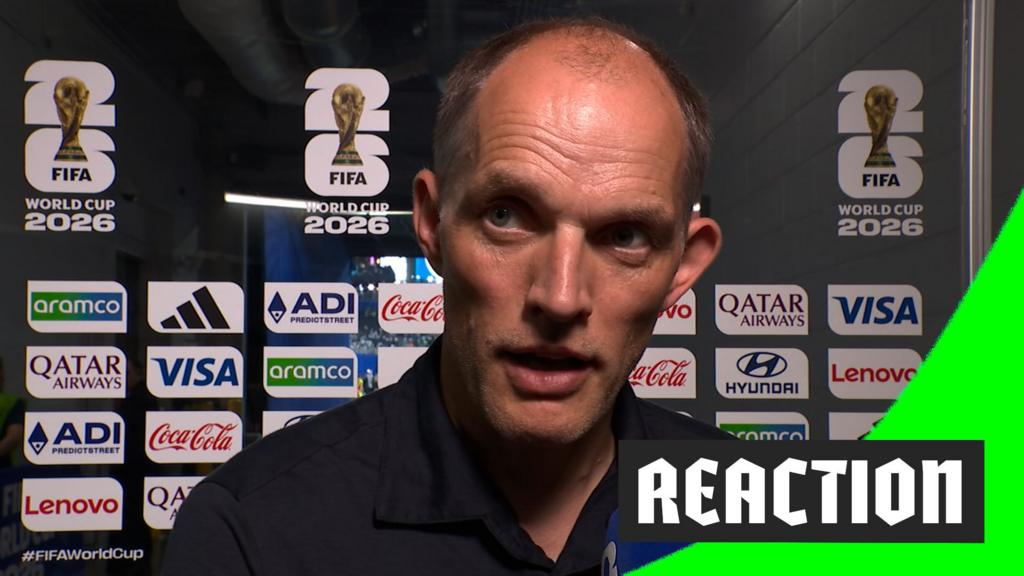
Thomas Tuchel’s assessment of England’s World Cup semi-final defeat to Argentina was blunt and revealing: after taking the lead, his side became “too passive” and allowed the game to drift away. In a match decided by fine margins, that admission matters because it points not to a lack of quality, but to a collapse in control at the most important moment.
England’s 2-1 loss in Atlanta Stadium will sting because the team had put itself in a position to shape the contest. Scoring first in a knockout semi-final is usually the platform from which sides manage tempo, compress space and force the opponent into riskier decisions. Instead, Tuchel felt England retreated into a more cautious posture, and that shift ultimately left them vulnerable to Argentina’s response.
Why the game changed after England scored
Tuchel’s comments suggest the key issue was not simply the result, but the way England handled the lead. Against elite opposition, a passive spell can be fatal: it invites pressure, reduces attacking outlets and gives the other team momentum. In tournament football, especially at semi-final level, that can be enough to turn a promising position into a defeat that feels self-inflicted.
For supporters, that is a familiar and frustrating theme. England have often been at their best when they play with clarity and aggression, but the moment a team starts protecting a lead too early, the balance changes. The manager’s wording implies that England lost the initiative rather than being overrun from the start, which makes the loss harder to accept but also more instructive for the future.
What Tuchel’s reaction means for England
Tuchel saying he has “no regrets” is also significant. It suggests he is not interested in rewriting the approach after the fact, but in identifying the point where execution slipped. That is an important distinction for a national team manager, because knockout football is often decided by in-game management rather than broad tactical theory.
From a tactical perspective, England’s next step is clear: if they want to go further in major tournaments, they must learn how to protect a lead without surrendering territory and initiative. That means better spacing, more composure in possession and a stronger collective response when the match state changes. Against a side like Argentina, any hesitation is quickly punished.
The defeat does not erase England’s progress in reaching the semi-final, but it does sharpen the conversation around game management. Tuchel’s analysis gives supporters a straightforward explanation for why a winnable match slipped away: England scored first, then stopped playing with enough authority to finish the job.
Source note: This article was prepared using publicly available information from BBC Sport and expanded with editorial context.
Share this content: