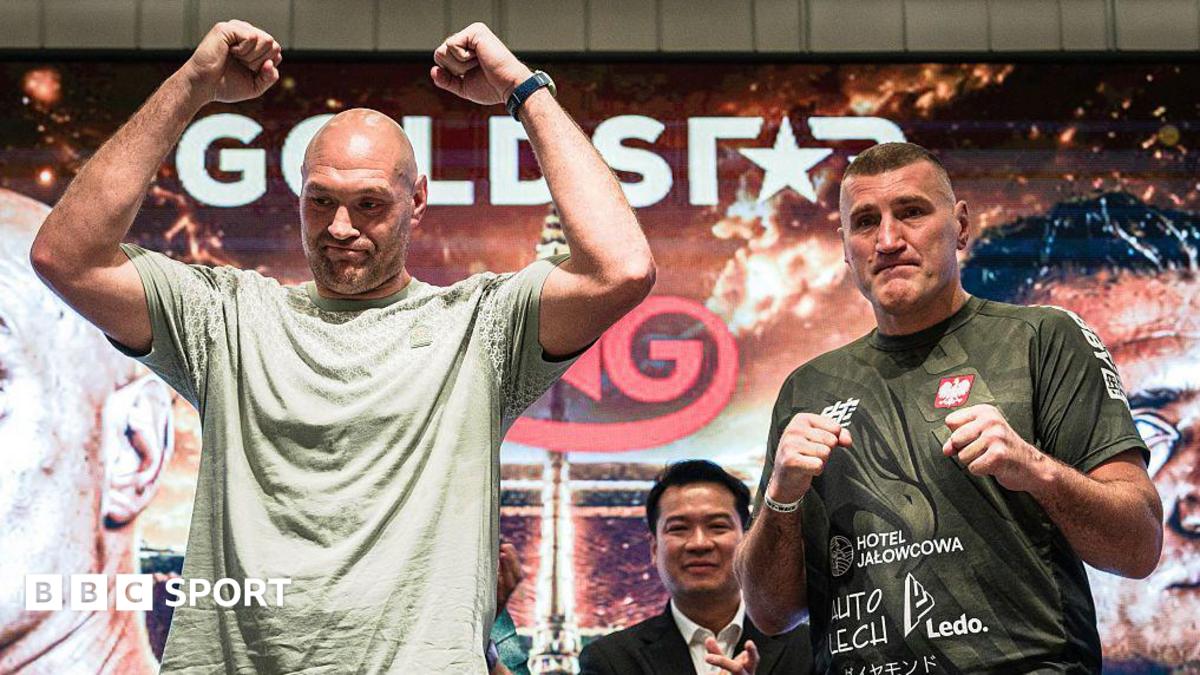
Tyson Fury has used his latest fight-week comments to make a broader point about modern sport, arguing that some athletes overestimate their commercial pull. The heavyweight star said he was content to compete in Thailand in front of a crowd of around 1,500 rather than chase a bigger payday elsewhere, a choice that underlines how personal branding, venue size and financial ambition continue to shape elite boxing.
Fury’s remark is notable because it cuts against the usual logic of major-event sport, where fighters and promoters often prioritise the largest possible audience and the richest available market. By standing by a smaller-scale event, he has positioned himself as someone willing to separate ego from economics, even if the setting is far removed from the biggest stadium nights that define heavyweight boxing.
What Fury’s stance says about modern boxing
In practical terms, the decision reflects a sport in which the biggest names can still command attention without always needing a blockbuster backdrop. For supporters, that can be read two ways: some will see it as refreshing honesty about the business of boxing, while others may view it as a missed opportunity to stage a more visible, more lucrative occasion. Either way, Fury’s comments tap into a familiar debate about whether star power is measured by ticket sales, television reach or simply the ability to generate conversation.
The line about athletes thinking they are “bigger than they actually are” also speaks to the wider culture around modern sport, where social media presence can inflate perceptions of influence. In boxing especially, fighters are often judged not only by results but by their ability to sell a narrative. Fury’s message suggests that the market eventually decides who truly carries the weight.
Why the choice matters for fans
For fans, the significance lies less in the venue itself and more in what it reveals about Fury’s mindset. He remains a figure who understands the commercial side of the sport and is willing to challenge the assumptions that come with fame. That can make him compelling, but it also adds another layer to how supporters interpret his career decisions: not every fight is about scale, and not every headline event is the one that pays best.
In an era when elite athletes are expected to maximise every appearance, Fury’s stance is a reminder that boxing still allows for unusual choices. Whether that makes the event more admirable or more controversial depends on perspective, but it certainly keeps Fury at the centre of the sport’s ongoing debate about value, visibility and status.
Source
Attribution: BBC Sport. Read the original report here.
Source note: This article was prepared using publicly available information from BBC Sport and expanded with editorial context.
Share this content: