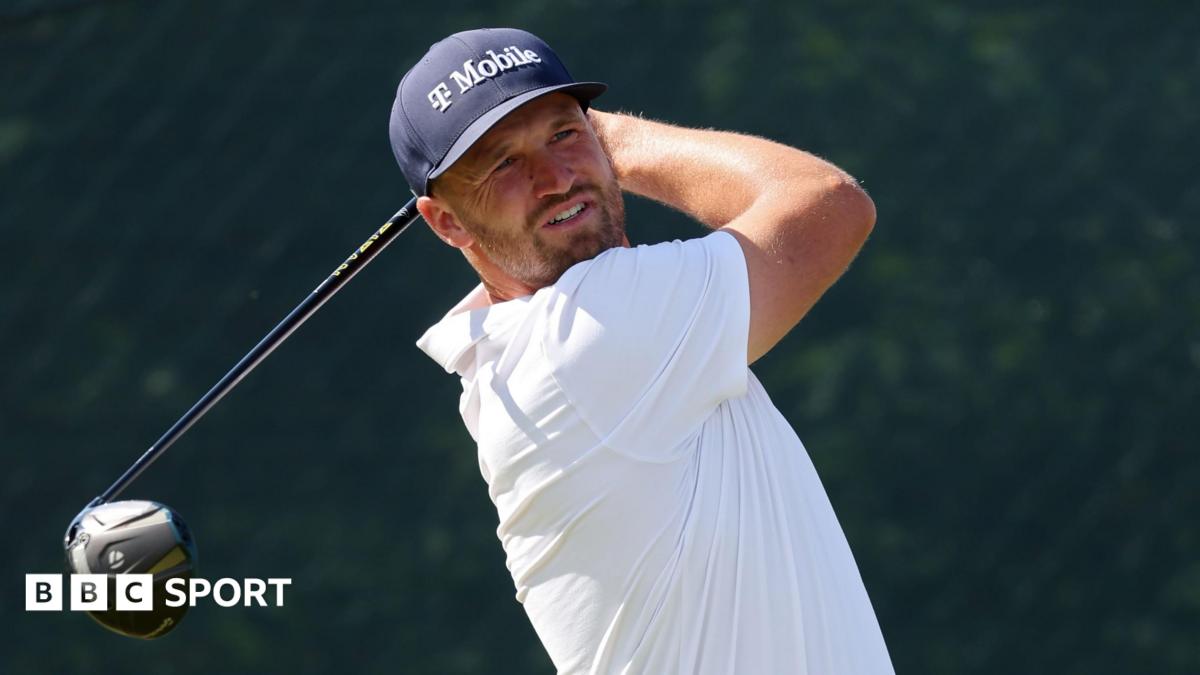
The BBC’s latest US Open update points to a familiar major-championship pattern: one player setting the pace, another making a late charge, and the rest of the field trying to stay close enough to force pressure on Sunday. The headline framing suggests Clark has emerged as the man to catch, while Scottie Scheffler has positioned himself as the most obvious threat to disrupt that picture.
Clark holds the advantage
With the tournament moving into the decisive phase, the key storyline is no longer just who is leading, but whether the leader can manage the demands that come with a US Open weekend. This championship is traditionally defined by tight margins, difficult scoring conditions and the mental strain of protecting a position when every mistake is magnified. That is what makes the BBC’s “to lose” framing so significant: it implies Clark has done the hard work, but still faces the most difficult task in golf, closing out a major under pressure.
For supporters and neutral viewers alike, that creates the classic US Open tension. A lead can look comfortable on paper and still feel fragile in practice, especially if the course begins to demand precision off the tee and patience on the greens. The final round is where the tournament often turns from a leaderboard story into a test of nerve.
Scheffler’s move keeps the contest alive
Scheffler’s rise on the leaderboard matters because he brings both form and pedigree into the conversation. When a player of his calibre starts making ground, the dynamic changes quickly: the leader cannot simply play defensively, because one strong round from a contender can erase the cushion. That is what keeps the championship alive heading into the final day.
The BBC also points back to Shinnecock Hills in 2018, when Tommy Fleetwood produced a remarkable 63 in the final round and finished one shot behind Brooks Koepka. That memory is relevant because it shows how quickly a US Open can swing when the pressure peaks. A player can post a number that seems impossible, yet still fall just short if the leader holds firm. It is the kind of precedent that reminds fans why this tournament remains one of golf’s most unforgiving tests.
What it means for the final round
If Clark is indeed in control, the challenge is simple to describe and difficult to execute: stay disciplined, avoid the big error and force the chasers to take risks. If Scheffler continues to move, the closing stretch could become a direct duel rather than a routine finish. Either way, the leaderboard setup promises a final round shaped by pressure, momentum and the possibility of a late twist.
For viewers, that is exactly what makes a US Open compelling. The championship rarely rewards comfort. It rewards resilience, shot-making and the ability to absorb pressure when the margin for error disappears.
Source note: This article was prepared using publicly available information from BBC Sport and expanded with editorial context.
Share this content: