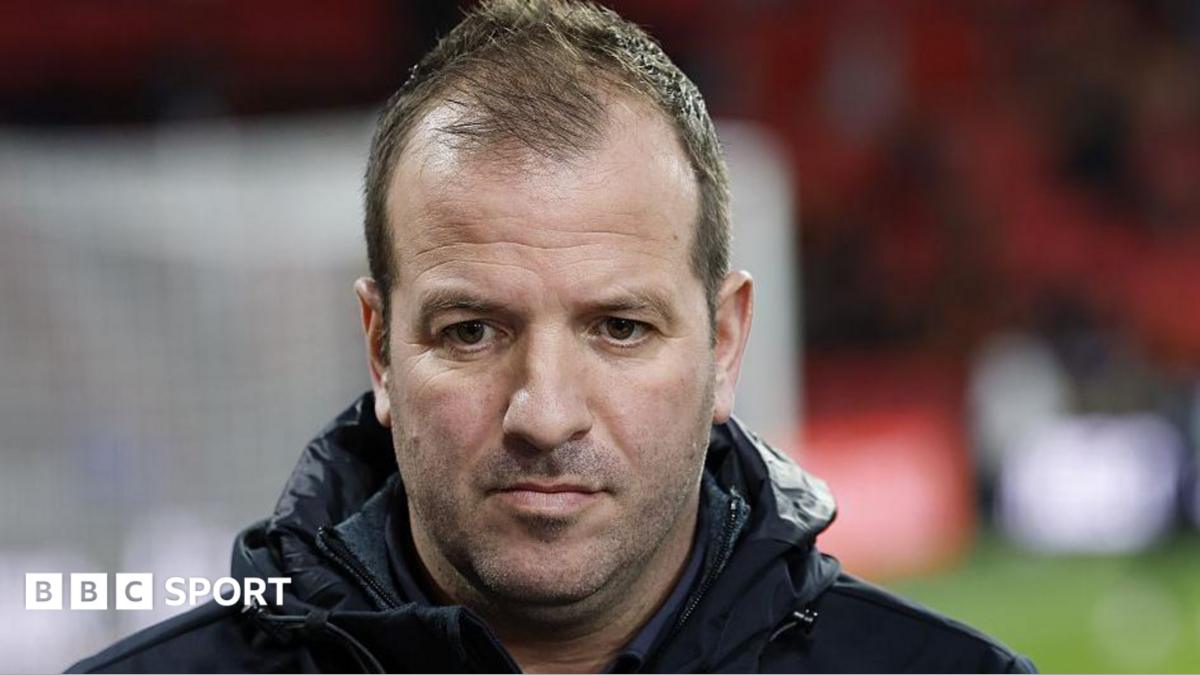
Rafael van der Vaart has apologised after making a racist remark about Japan players during the Netherlands’ 2-2 draw, a comment that has quickly drawn criticism because of both its language and its timing. The former Tottenham midfielder’s words have become the focus rather than the football itself, underlining how quickly post-match analysis can be overshadowed by remarks that cross a clear line.
For supporters, the episode is a reminder that football’s global reach comes with a responsibility to speak carefully. Japan have long been one of the most respected teams in international football for their organisation, technical discipline and collective identity, which makes a comment suggesting players “all look alike” especially damaging. Even when made in a casual or reactive setting, such language carries a wider impact because it reduces players to a stereotype rather than recognising them as individuals.
Why the reaction matters beyond one apology
Van der Vaart’s apology may help close the immediate controversy, but it does not erase the broader issue. In modern football, public figures are judged not only on their playing careers but also on how they discuss opponents, cultures and international teams. That is particularly true in the World Cup environment, where national pride, visibility and scrutiny are all heightened. A remark like this lands far beyond one broadcast or one social media cycle.
From a footballing perspective, the Netherlands’ 2-2 draw with Japan also adds context to why the fixture was being discussed so closely. Matches involving technically strong, tactically disciplined sides often prompt detailed analysis of style, structure and execution. When that conversation is derailed by offensive language, it detracts from the performance of the players on the pitch and from the supporters who want the game discussed on merit.
What it means for football’s public conversation
The incident also speaks to a wider challenge for the sport: the need for pundits, former players and broadcasters to maintain standards that match football’s international audience. Apologies matter, but so does accountability. Supporters increasingly expect commentary that is informed, respectful and aware of the influence it carries.
For Japan, the story is not about the apology itself but about the fact that their team was reduced to a harmful stereotype in public discussion. For the Netherlands, it is another uncomfortable reminder that reputational damage can come from off-field remarks as much as from results. And for football more broadly, it reinforces a simple point: the game is global, and the language around it must be as well.
Source note: This article was prepared using publicly available information from BBC Sport and expanded with editorial context.
Share this content: