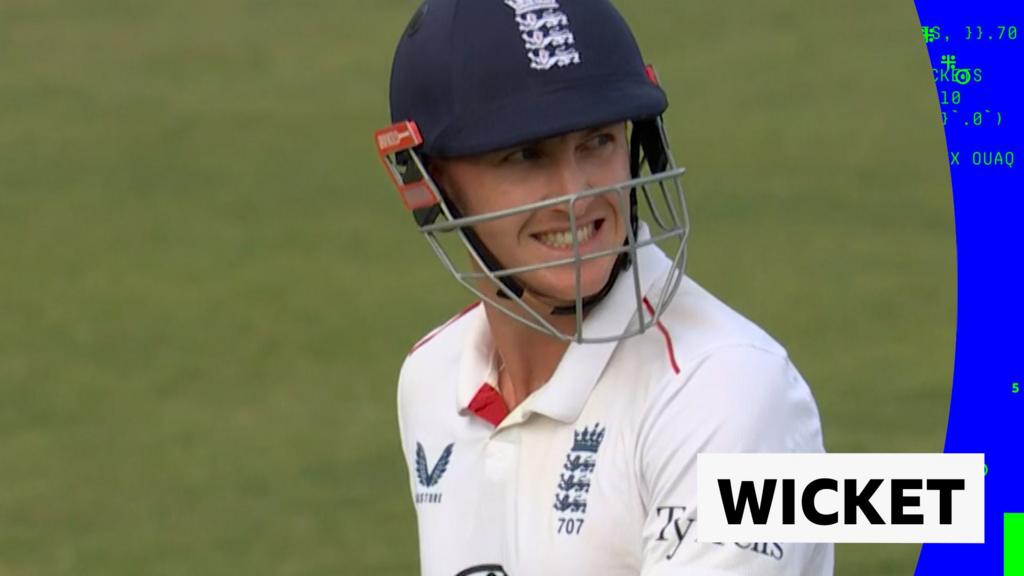
England’s pursuit of 373 against New Zealand at Trent Bridge was jolted by a costly dismissal for Harry Brook, with former captain Michael Vaughan delivering a sharp public verdict on the wicket. Brook was caught for 21, and the moment came at a time when England were already under pressure at 72-3 in their second innings.
For supporters, the significance is clear: in a fourth-innings chase, every wicket changes the shape of the game. England’s batting has often been built around momentum, intent and quick scoring, but that approach also leaves little margin for error when the scoreboard tightens and the target remains substantial. Brook’s dismissal therefore carried more weight than a single scorecard entry; it interrupted England’s attempt to build a platform in a chase that was still very much alive, but increasingly fragile.
Why the wicket mattered
Brook has become one of England’s most important middle-order players because of his ability to score quickly and shift pressure back onto the opposition. That makes his wicket especially valuable to New Zealand in a match situation like this. Once England slipped to 72-3, the chase demanded not just runs but composure, partnerships and a measured response to the conditions and the target.
Vaughan’s reaction also reflects the scrutiny that follows England’s Test side whenever its aggressive style runs into a setback. When a chase is on, supporters expect clarity in shot selection and a sense of control from the top and middle order. A dismissal that looks avoidable can quickly become a flashpoint, particularly when the team is trying to close out a Test match on home soil.
What it means for England and New Zealand
From New Zealand’s perspective, Brook’s wicket was exactly the kind of breakthrough that can swing a Test chase. Removing a player capable of accelerating the scoring rate reduces England’s room to attack and increases the burden on the remaining batters to manage risk. In a match where the target is 373, that kind of pressure can build rapidly.
For England, the situation at 72-3 meant the chase was still possible, but the margin for error had narrowed. The next partnerships would be crucial, not only for the scoreboard but for the mood around the ground. Trent Bridge has often seen England play with freedom, but Test cricket still punishes loose moments, and this dismissal underlined how quickly a chase can become complicated.
Vaughan’s criticism will resonate with some supporters because it captures the frustration of seeing a promising position disrupted by a wicket that felt unnecessary. At the same time, England’s response from here would determine whether the dismissal becomes a footnote or the turning point in the match.
Source note: This article was prepared using publicly available information from BBC Sport and expanded with editorial context.
Share this content: