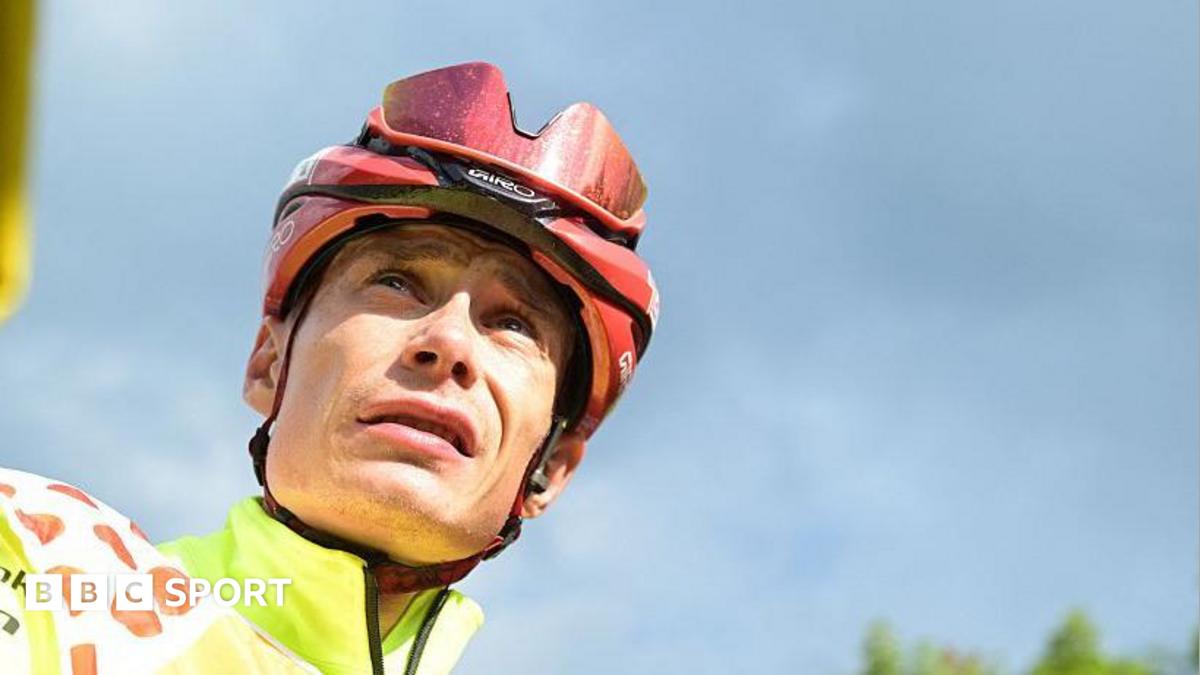
Jonas Vingegaard’s Tour de France ended in painful fashion after the Danish rider broke his collarbone in a crash that also sent riders into spectators. The incident immediately changed the shape of the race, removing one of the event’s biggest contenders and leaving the peloton to absorb the sporting and safety consequences of a chaotic moment on the road.
For supporters, the headline is not only the loss of a major name but the way the crash underlines how fragile Grand Tour ambitions can be. A single incident can erase weeks of preparation, and when a rider of Vingegaard’s calibre is forced out, the competitive balance of the race shifts at once. That is especially significant in a Tour where every stage can influence the general classification picture.
What Vingegaard’s exit means for the Tour
Vingegaard’s departure removes a proven Grand Tour winner from the contest and changes the tactical landscape for the remaining favourites. Teams that had been forced to monitor his moves no longer need to account for his climbing strength or his ability to control the race in the mountains. That can open the door to more aggressive racing, with rivals likely to test each other more freely in the coming stages.
It also places greater emphasis on team strategy and recovery. In a race as demanding as the Tour de France, losing a leader can alter not just the standings but also the morale and objectives of an entire squad. The focus now turns to who can best exploit the vacancy at the top of the race and who can remain consistent under the pressure of a reshaped contest.
Evenepoel takes the stage win
While the crash dominated the day, Remco Evenepoel emerged with the stage victory. The Belgian rider’s win gives him a major result in a race where momentum matters as much as raw strength, and it will be viewed as a statement performance in a Tour suddenly missing one of its most dangerous challengers.
Stage wins in the Tour de France often carry more than immediate prestige. They can lift a rider’s standing, strengthen team confidence and influence how rivals approach the next day. Evenepoel’s success therefore lands at a moment when the race narrative has already been disrupted, making his result even more significant in the broader context of the event.
For fans, the day delivered both drama and disappointment: a major contender forced out through injury, and a stage winner who capitalised on a turbulent race. The Tour now moves on without Vingegaard, but the consequences of this crash will be felt well beyond a single stage.
Source note: This article was prepared using publicly available information from BBC Sport and expanded with editorial context.
Share this content: