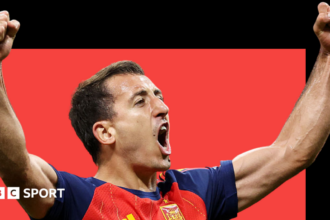
Scotland’s World Cup conversation is not only about qualification, mentality and tournament experience. It is also about what the numbers suggest the team may try to do once the games begin. BBC Sport’s analysis points to Steve Clarke presenting himself as a “different” man, a line that hints at a more open, assertive version of Scotland than the one supporters have often associated with caution and structure.
That matters because Scotland’s recent identity under Clarke has been built around organisation first. The challenge at World Cup level is that defensive discipline alone rarely carries a team through against elite opposition. If Scotland are to make an impact, they will need to turn spells of possession into genuine attacking threat, not just territory. That is where statistical trends become useful: they can show whether the team are creating enough, committing enough players forward and sustaining pressure rather than simply surviving matches.
Why the attacking numbers matter
For supporters, the key question is whether Scotland can move from being hard to beat to being difficult to contain. A World Cup schedule punishes teams that sit too deep for too long. It also exposes sides that struggle to progress the ball quickly enough or to convert promising moments into shots and chances. In that sense, attacking intent is not a luxury; it is a requirement if Scotland want to compete in games where margins are tiny.
The BBC framing suggests the numbers are being used to test whether Clarke’s words are backed up by evidence. That is important in tournament football, where managers often talk about bravery and ambition but are judged by patterns on the pitch. If Scotland are indeed changing, the signs would likely appear in how often they attack with numbers, how high they press, and how willing they are to take risks in transition.
What it could mean for Scotland at the World Cup
There is also a broader tactical implication. A more attacking Scotland would not necessarily mean abandoning defensive principles. More likely, it would mean choosing moments more carefully: pressing higher when the opponent is unsettled, pushing full-backs on at the right times, and trusting midfield runners to support the forward line. That balance is often what separates a competitive underdog from a team that is merely organised.
For supporters, the appeal is obvious. Scotland fans want a side that can stay compact without becoming passive, and that can create enough threat to change a match rather than simply manage it. If the numbers support Clarke’s claim of being a “different” man, then this World Cup could offer a more adventurous Scotland — one that tries to impose itself rather than wait for permission.
As BBC Sport’s analysis suggests, the story is not just about optimism. It is about whether the data can confirm that Scotland’s attacking intent is real, sustainable and good enough to matter when the tournament pressure rises.
Source note: This article was prepared using publicly available information from BBC Sport and expanded with editorial context.
Share this content: