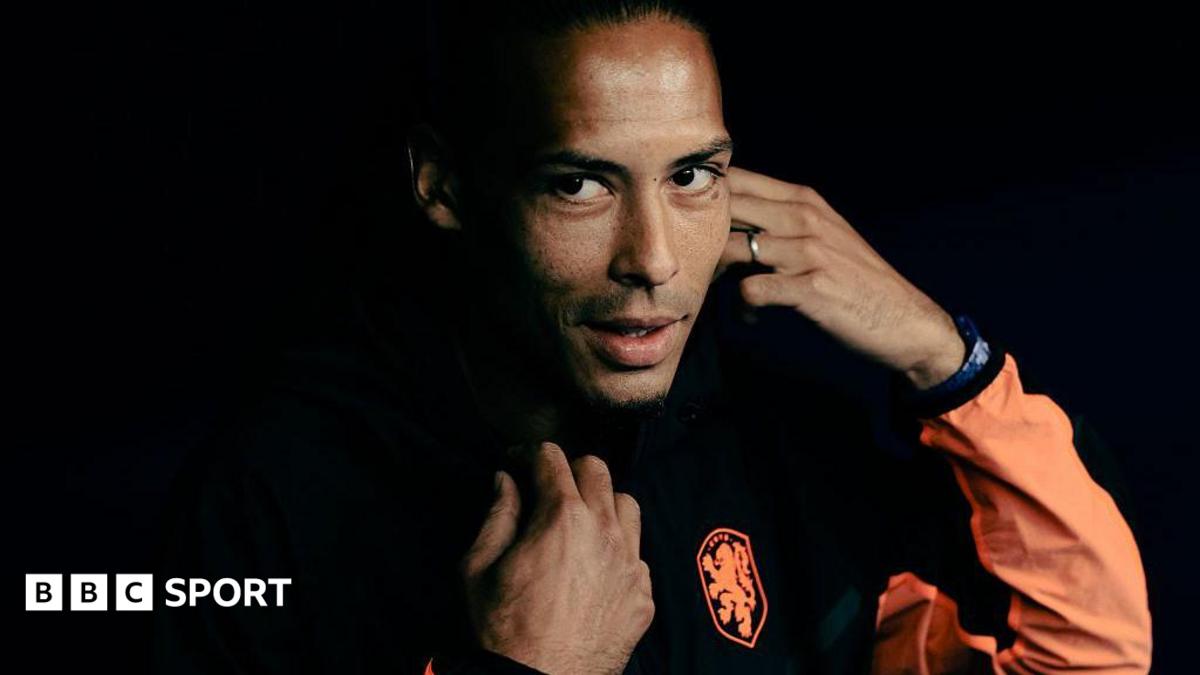
Virgil van Dijk’s importance to the Netherlands is not just about clean sheets or aerial dominance. In tournament football, the best teams usually have a defensive leader who can steady the side when pressure rises, and BBC Sport’s latest feature places the Liverpool captain at the centre of that discussion for the Dutch.
The argument is straightforward: if the Netherlands are to turn World Cup ambition into a serious run, they need a back line that can survive the moments when games become chaotic. Van Dijk’s value lies in more than individual defending. He gives structure to the team, helps organise those around him and offers the kind of calm presence that can matter just as much as a goal at the other end.
Why defence still decides tournament football
The source’s central line — that no team has won a World Cup without a solid defence — reflects a long-standing truth about knockout football. Attacking quality can win matches, but defensive control often decides whether a team survives the pressure of the latter stages. For the Netherlands, that makes Van Dijk more than a senior player: he is a reference point for the entire side.
That matters because the Dutch are often judged on their technical quality and attacking talent, but major tournaments usually expose any weakness at the back. A defender of Van Dijk’s profile can reduce that risk. He is the type of player who can help a team manage transitions, defend set pieces and keep the shape intact when opponents push forward.
What Van Dijk means for the Netherlands
For supporters, the story is encouraging because it suggests the Netherlands still have a player capable of anchoring a serious World Cup challenge. Van Dijk’s reputation as a leader gives the team a psychological edge as well as a tactical one. In high-stakes matches, that combination can be decisive.
There is also a broader implication for the Dutch setup: if the team can build around a reliable defensive core, it gives the rest of the side more freedom to play with confidence. That balance between security and expression is often what separates contenders from teams that fall short.
BBC Sport’s feature frames Van Dijk as the “big brother” figure in the squad, and that description captures his role neatly. He is not simply one of the Netherlands’ best players; he is the player who can help make the whole structure work. If the Dutch are to realise their World Cup dreams, that may be the most important job of all.
Source note: This article was prepared using publicly available information from BBC Sport and expanded with editorial context.
Share this content: