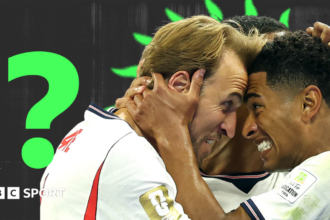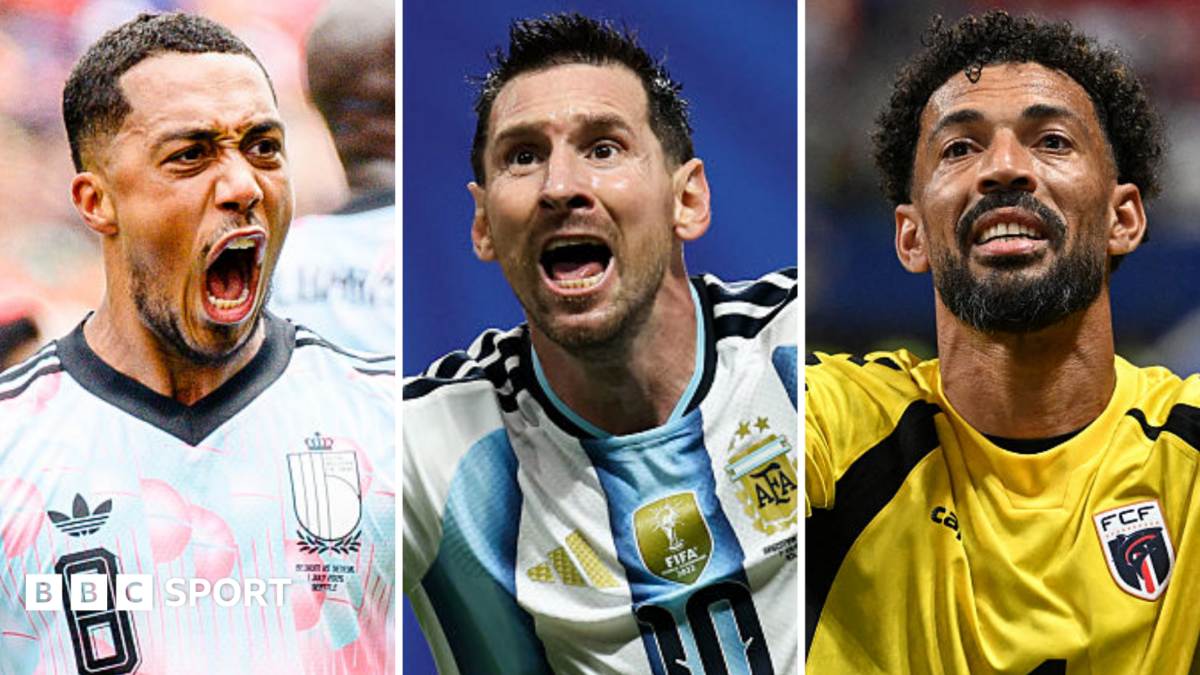
The early shape of this World Cup is already built around the kind of moments that tend to define a tournament’s legacy: late goals, momentum swings, and results that force supporters to rethink what they thought they knew. BBC Sport’s framing of the event as a possible all-time great is not just about spectacle. It is about how unpredictability changes the way a competition is remembered.
For fans, that matters because a World Cup is rarely judged only by the eventual winner. It is also measured by the stories that travel beyond the final whistle: the underdog who refuses to fold, the favourite who is dragged into chaos, and the matches that keep delivering when they appear to be over. When a tournament produces repeated comebacks and shock results, it creates a sense that every game can alter the wider narrative.
Why late drama changes the tournament’s identity
Late goals do more than decide matches. They reshape the emotional rhythm of a World Cup. Teams that can stay alive deep into games gain a psychological edge, while opponents are forced to manage risk more carefully. That has tactical consequences: coaches become more cautious with substitutions, defensive structure becomes more valuable, and transitions matter even more when one mistake can change the entire picture.
From a supporter’s perspective, this is the kind of tournament that rewards staying engaged until the final moments. It also increases the pressure on teams with bigger reputations, because the margin for error narrows when the competition repeatedly shows that no lead is safe. In that environment, resilience becomes as important as quality.
What the upsets say about the competition
Shock results are often the clearest sign that a World Cup has real competitive depth. They suggest that preparation, discipline and game management can close the gap between teams that may look separated on paper. That is one reason tournaments with multiple surprises tend to be remembered fondly: they feel open, alive and difficult to predict.
BBC Sport’s description of the event as record-breaking also adds to the sense that this is not a routine edition of the competition. While the article’s headline invites the big historical question, the football itself is what gives that debate substance. Great goals and comeback wins are the raw material of a tournament that can earn lasting status.
Whether this World Cup ultimately deserves to be called the best ever will depend on how the rest of the competition unfolds. But the early evidence already points to a tournament with the ingredients supporters remember most: drama, uncertainty and the feeling that almost anything can happen.
Source note: This article was prepared using publicly available information from BBC Sport and expanded with editorial context.
Share this content: