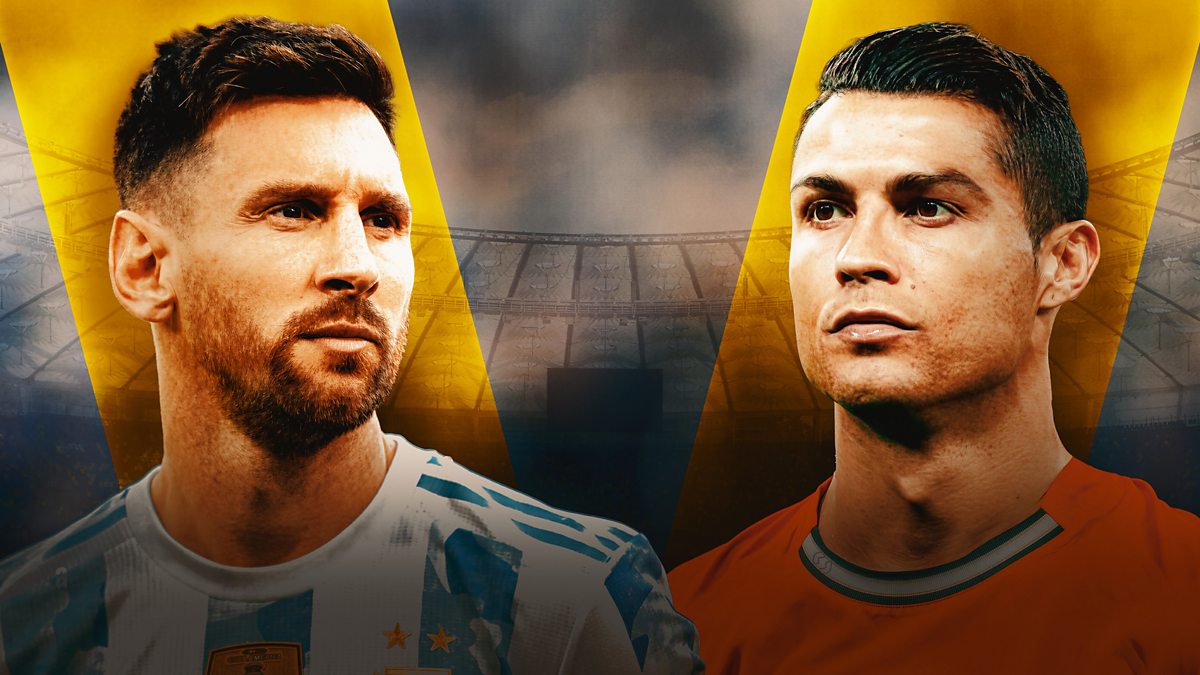
BBC Sport’s Rivals: Messi v Ronaldo taps into one of football’s most enduring modern storylines, revisiting the era in which Lionel Messi and Cristiano Ronaldo shaped the sport’s global conversation for more than a decade. Even with the rivalry now spread across different leagues and stages of their careers, the appeal remains obvious: these are two players whose individual standards redefined what supporters expect from elite forwards.
The programme is not simply a nostalgia piece. By pairing the Messi-Ronaldo theme with an interview featuring Manchester City and England goalkeeper James Trafford, BBC Sport gives the feature a contemporary edge. That matters because the next generation of Premier League players and viewers has grown up in the shadow of this rivalry, inheriting its benchmarks for consistency, professionalism and decisive moments in the biggest matches.
Why the Messi-Ronaldo rivalry still matters
For supporters, the significance of the rivalry goes beyond goals and trophies. Messi and Ronaldo became reference points for tactical debate, transfer strategy and even club identity. Their long-running duel helped define an era in which every major performance was measured against the other, and that influence still shapes how fans discuss individual brilliance today.
From a football reporting perspective, the BBC’s framing is smart because it connects the past to the present. The rivalry may have been forged in the Champions League and domestic title races, but its legacy now lives on in how young players are judged. Goalkeepers, defenders and attackers alike are still assessed against the standard of relentless excellence that Messi and Ronaldo set.
James Trafford adds a current Premier League angle
Trafford’s inclusion gives the feature a more immediate relevance for English football audiences. As a Manchester City and England goalkeeper, he represents the modern development pathway at one of the Premier League’s most demanding clubs. Any interview with a player in that environment naturally invites discussion about pressure, standards and the mentality required to compete at the top level.
That makes the programme useful for supporters who want more than a retrospective. It offers a chance to reflect on how football’s biggest rivalry influenced the game’s culture while also hearing from a player operating in today’s elite domestic setting. For Manchester City fans, in particular, the link to Trafford provides a familiar entry point into a broader football conversation.
The source does not provide match analysis, transfer detail or a direct competitive angle, so this should be viewed as a feature-led BBC Sport release rather than breaking news. Even so, the combination of iconic football history and a current Premier League voice gives the piece clear editorial value and broad audience appeal.
Source note: This article was prepared using publicly available information from BBC Sport and expanded with editorial context.
Share this content: