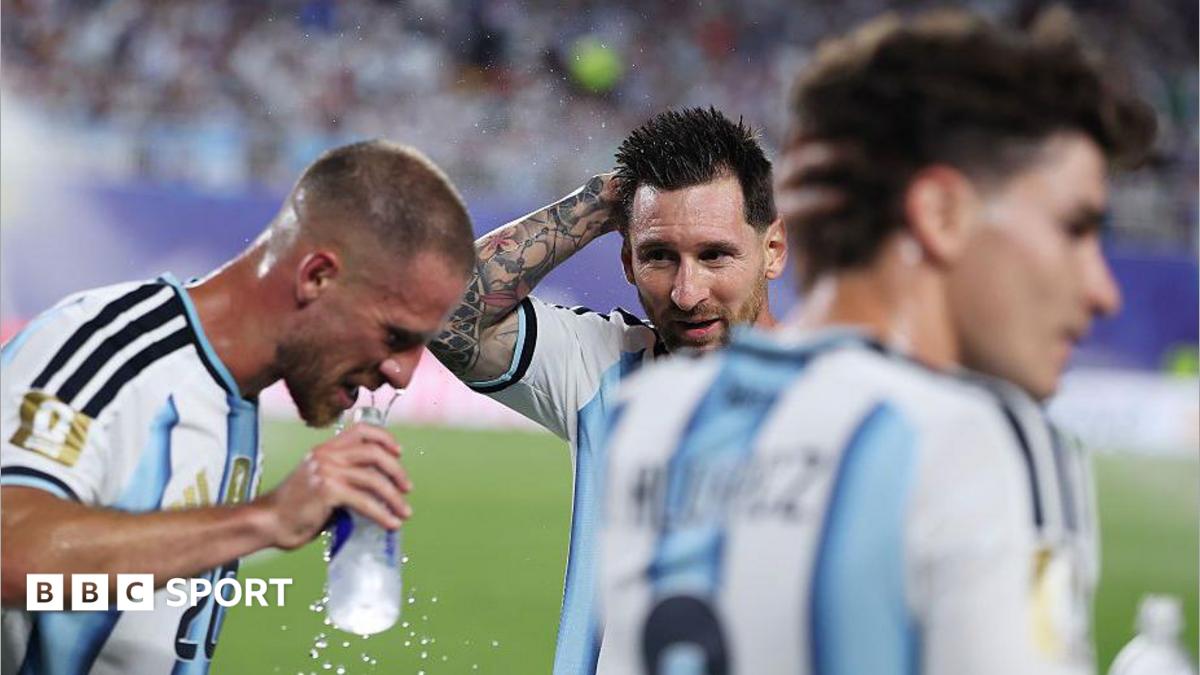
The opening phase of the 2026 World Cup has already produced a familiar mix of tournament football: practical concerns, unexpected outcomes and the sense that early momentum can matter as much as reputation. BBC Sport’s latest talking-points roundup focuses on the first set of matches being completed, with hydration-related interruptions and surprise results among the themes shaping the conversation.
That combination is significant because World Cups rarely settle into a predictable rhythm straight away. Early games often reveal which teams have adapted best to the conditions, which squads have arrived with sharpness, and which managers have prepared for the demands of a compressed, high-pressure schedule. For supporters, those first results can quickly alter expectations, especially when a favourite is forced into a chase or an underdog finds a route to points.
Hydration breaks and the conditions factor
One of the early talking points is the visibility of hydration measures. In major tournaments, especially in demanding climates, these pauses are not just administrative details. They can affect tempo, disrupt pressing patterns and give coaches a brief chance to reset shape or issue instructions. For teams built on intensity, even a short stoppage can change the flow of a half.
From a tactical perspective, hydration breaks can also reward sides with stronger game management. Teams that are comfortable slowing the match, controlling possession and protecting structure may benefit when the rhythm is interrupted. By contrast, more direct or high-press systems can lose some of their edge if momentum is repeatedly broken. That makes the opening matches a useful test of adaptability rather than just quality.
Surprise results and the pressure on contenders
The other major theme is the presence of surprise results. At a World Cup, early shocks do more than create headlines; they reshape group dynamics and force contenders to respond immediately. A single unexpected outcome can turn a straightforward path into a tense qualification battle, while also giving lower-ranked teams belief that the tournament is open.
For the bigger nations, that means there is little room for slow starts. Tournament football punishes hesitation, and the first round of matches often exposes whether a side is truly ready for the knockout-style pressure that begins long before the knockout stage. Supporters will already be looking at the table, the remaining fixtures and the possibility that goal difference or head-to-head records could become decisive later on.
BBC Sport’s roundup is a reminder that World Cup narratives are built quickly. The first set of games may only be the beginning, but they often establish the themes that define the rest of the competition: adaptation, resilience and the ability to handle pressure when the margins are smallest.
Source note: This article was prepared using publicly available information from BBC Sport and expanded with editorial context.
Share this content: