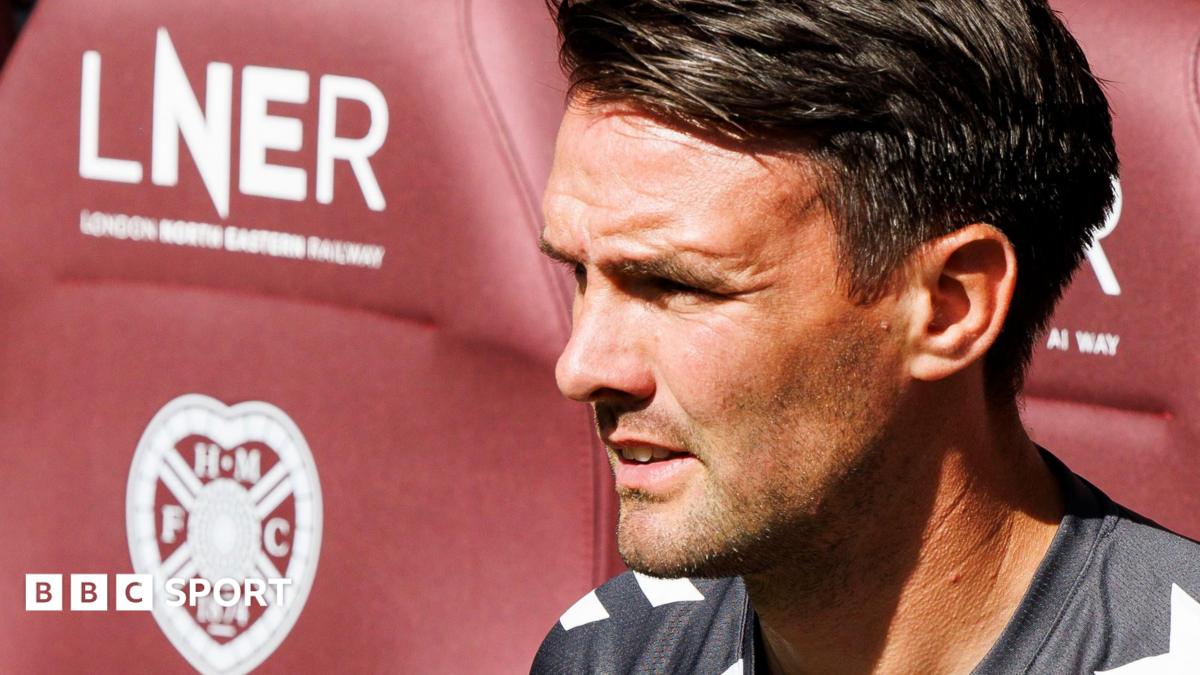
In modern football, the smallest details increasingly carry the biggest weight, and Celtic’s interest in set-piece coaching is a reminder that elite clubs now treat dead-ball situations as a genuine competitive edge rather than a side issue. BBC Sport’s discussion of whether a set-piece coach could be Celtic’s key signing reflects a broader shift in the game: corners, free-kicks and throw-ins are no longer just routine restarts, but carefully engineered opportunities to swing matches.
For supporters, that matters because it speaks directly to how titles and European progress are often decided. In domestic football, where Celtic are expected to dominate possession and territory in many matches, breaking down compact opponents can be difficult. Set pieces offer a route to turn pressure into goals when open-play chances are limited. At the other end, a well-drilled defensive structure can prevent the kind of cheap concessions that can derail momentum over a long season.
Why set pieces matter more than ever
The growing respect for set-piece specialists is part of a wider tactical evolution. Clubs across Europe have increasingly invested in analysts and coaches who can improve delivery, movement, blocking schemes and defensive organisation. That trend has changed the perception of the role: what once sounded like a niche appointment now looks like a practical way to gain an edge in tightly contested matches.
For a club such as Celtic, the appeal is obvious. They are regularly expected to control games, but control alone does not guarantee efficiency. A team can dominate the ball and still struggle to convert that superiority into goals. Set-piece coaching can help bridge that gap by making attacking routines more repeatable and by giving defenders clearer responsibilities when the opposition sends numbers into the box.
What it could mean for Celtic
If Celtic continue to prioritise this area, the impact may be felt in several ways. First, they could become more dangerous against deep defensive blocks, where open-play space is scarce. Second, they could reduce the number of avoidable goals conceded from dead-ball situations, which often prove costly in Europe and in the most demanding domestic fixtures. Third, they could add another layer of unpredictability to their attacking game, forcing opponents to prepare for more than just their build-up play.
That is why the BBC’s framing is so relevant. In a sport where margins are thin, the most valuable addition is not always a headline-grabbing transfer fee or a marquee name. Sometimes it is the specialist who improves the details that decide results. For Celtic supporters, that is a promising sign: it suggests the club is looking beyond the obvious and into the tactical areas that can make a real difference over a full campaign.
Whether this becomes a defining part of Celtic’s next step will depend on implementation, but the logic is clear. In a game increasingly shaped by preparation, a strong set-piece department can be as important as any individual signing.
Source note: This article was prepared using publicly available information from BBC Sport and expanded with editorial context.
Share this content: