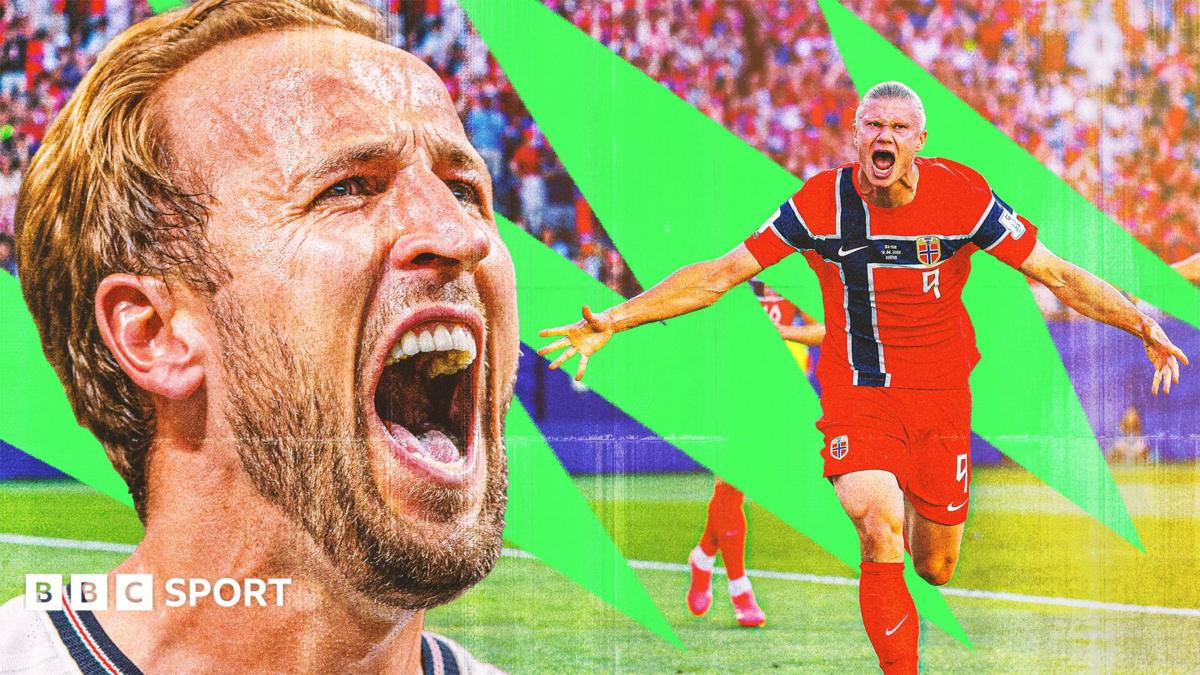
Harry Kane and Erling Haaland have become the two names most often used to define the modern centre-forward. BBC Sport’s latest comparison piece revisits that debate, and the timing matters: even without a transfer meeting point, the pair have been measured against each other ever since Kane’s proposed move to Manchester City collapsed in August 2021.
For supporters, this is more than a simple who-is-better discussion. It is a reflection of how elite football now values different kinds of No 9s. Kane has long been associated with all-round attacking control — dropping into midfield, linking play and creating chances as well as finishing them. Haaland, by contrast, represents the pure penalty-box threat: direct, explosive and relentlessly efficient when chances arrive. That contrast is why the comparison keeps returning, even when the players are operating in different leagues and systems.
Why the comparison still matters
Striker debates are rarely just about goals. They are about how a team is built around its focal point, how a manager wants to progress the ball, and whether a forward is asked to be a finisher, a creator or both. Kane’s profile has traditionally suited teams that want their centre-forward to connect phases of play and help others into scoring positions. Haaland’s game, meanwhile, is built around movement, timing and ruthless conversion inside the box.
That tactical split is what makes the discussion so compelling. In one sense, both players answer the same question — who gives you the most decisive output? In another, they answer different questions entirely. Kane can change the rhythm of an attack by coming short and bringing others into the game. Haaland can change the shape of a match simply by staying high and forcing defenders to protect space behind them.
What it means for clubs and supporters
For clubs, the Kane-Haaland comparison is a reminder that transfer decisions at the top end of the market are rarely straightforward. A striker is not just a scorer; he is a tactical choice that affects the rest of the team. For supporters, it is a debate that cuts to the heart of identity: do you want the complete forward who can do a bit of everything, or the specialist who can decide games with fewer touches?
BBC Sport’s framing keeps the conversation alive because both players continue to deliver at the highest level. That is what gives the comparison its staying power. It is not a nostalgic argument about what might have been in 2021. It is an ongoing assessment of two of the most influential forwards in the game, and a useful lens for understanding how top-level football now defines value in the final third.
Source note: This article was prepared using publicly available information from BBC Sport and expanded with editorial context.
Share this content: